
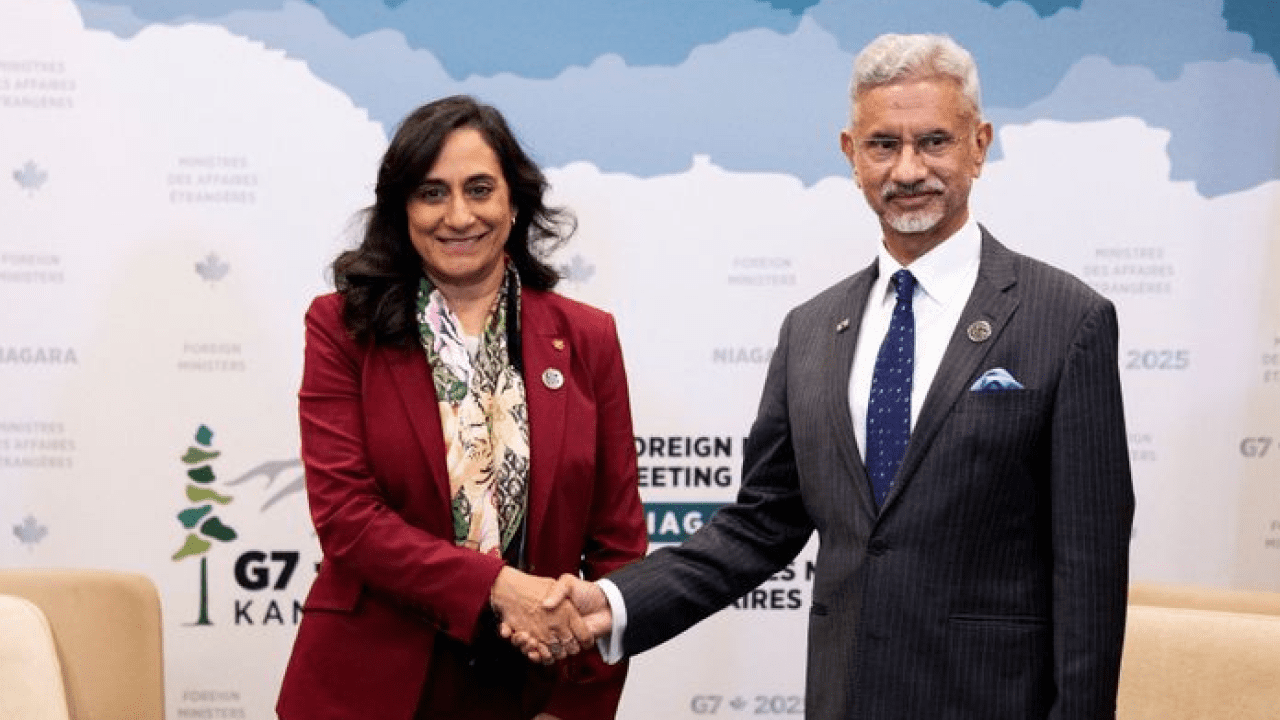
Canada-India relations are gathering pace, with both governments highlighting renewed engagement and expanding cooperation following high-level talks between their foreign ministers at the Munich Security Conference in Germany.
The latest meeting between Canada’s Foreign Affairs Minister Anita Anand and India’s External Affairs Minister S. Jaishankar marks the fifth bilateral discussion between the two leaders since September, underscoring what Ottawa described as “growing momentum” in ties. The discussions come amid broader efforts to deepen economic, technological and strategic collaboration between the two countries, which share more than 75 years of diplomatic relations and strong people-to-people connections.
Ministers Highlight Strategic Partnership at Munich
According to a statement issued Sunday by Global Affairs Canada, Anand emphasized India’s importance as a key partner, describing it as “one of the world’s most dynamic and growing economies.”
The bilateral talks took place on the sidelines of the Munich Security Conference and focused on expanding cooperation in critical sectors including energy, technology and trade. Both ministers reaffirmed their commitment to strengthening collaboration and enhancing economic resilience through diversified trade.
In a post on X following the meeting, Jaishankar said, “India-Canada ties continue their steady progress.” Anand echoed the sentiment, stating that Canada remains committed to constructive engagement and looks forward to advancing joint efforts in India.
Progress on Joint Road Map
The Canadian readout noted that both sides underscored substantive progress on the joint road map for Canada-India relations announced in October 2025. The framework was unveiled during Anand’s visit to New Delhi, weeks after her first bilateral meeting with Jaishankar on the margins of the United Nations General Assembly in New York.
The road map aims to enhance collaboration across priority areas while expanding and diversifying bilateral trade to promote long-term economic stability.
Officials from both countries highlighted the shared technological advantages and significant partnership opportunities available to businesses, industries and workers in Canada and India.
High-Level Engagement Signals Stability
India’s High Commissioner to Ottawa, Dinesh Patnaik, recently pointed to the frequency of high-level meetings as evidence that bilateral ties are in a “good place.” The steady diplomatic engagement is seen as a sign of improved stability in the relationship.
Further momentum could come next month, when Canadian Prime Minister Mark Carney is expected to visit India. Anand is anticipated to accompany him, potentially adding another layer of strategic engagement between the two nations.