
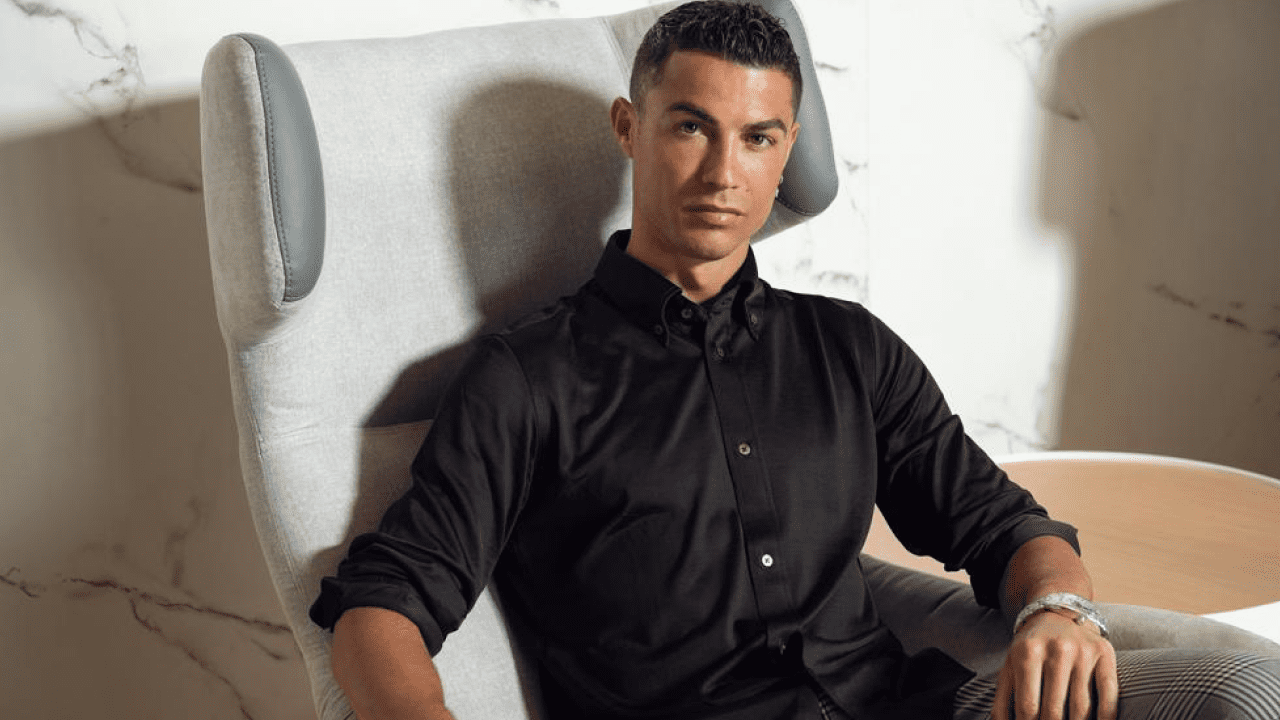
Cristiano Ronaldo has acquired a 25% stake in Spanish second-division club UD Almería, marking a significant expansion of his growing business interests in global football. The investment, made through his sports holding company CR7 Sports Investments, positions the Portuguese star not only as one of the game’s most decorated players but also as an emerging power in club ownership. The move underscores the increasing financial and strategic ties between Saudi Arabia and European football, while strengthening Almería’s ambitions of returning to Spain’s top tier.
The announcement was confirmed Thursday by representatives of Ronaldo and the club. Financial terms of the deal were not disclosed. Almería, currently third in Spain’s Segunda División and within striking distance of the automatic promotion spots, were relegated from La Liga following the 2023-24 season.
In a statement, Ronaldo described the acquisition as part of a long-held ambition to contribute to football beyond his playing career. He said he intends to work closely with the club’s leadership to support its next phase of development.
Almería is owned by Saudi Arabian interests and has been under Saudi control for more than six years. Businessman Mohamed Al Khereiji became owner and president in 2025 after purchasing the club from Turki Alalshikh, a prominent figure in Saudi Arabia’s sports and entertainment sectors. Al Khereiji welcomed Ronaldo’s investment, emphasizing the player’s familiarity with Spanish football and suggesting he could play a meaningful role in strengthening the club’s academy structure.
Ronaldo, 41, has been playing in the Saudi Pro League for Al-Nassr since late 2022 and also holds a stake in that club. His move into ownership in Spain adds another layer to a career that continues to blend sporting excellence with business expansion.
Also read: Zinedine Zidane Set to Take Over as France Manager After 2026 World Cup
Background Context
Ronaldo’s relationship with Spanish football is deeply rooted. During his nine-year spell at Real Madrid, he became the club’s all-time leading scorer and won multiple domestic and European titles. His familiarity with the Spanish system is widely viewed as an asset for Almería, a club seeking to stabilize its finances and secure promotion back to La Liga.
The investment also comes amid Ronaldo’s evolving role in global football economics. In October, he became the first professional footballer to be included in Bloomberg’s Billionaires Index, with an estimated net worth of $1.4 billion. That milestone reflects not only his playing contracts and endorsements but also a diversified portfolio spanning hospitality, fitness, fashion, and now multi-club football ownership.
His business trajectory mirrors a broader shift in the sport, where elite players increasingly transition into ownership and investment roles while still active. Unlike many predecessors who waited until retirement, Ronaldo is building institutional influence during the latter stages of his playing career.
Industry / Market Impact
Ronaldo’s stake in Almería highlights the deepening financial integration between Saudi Arabia and European football. The kingdom’s Public Investment Fund (PIF) controls several Saudi Pro League clubs and has aggressively invested in international sport, from football to golf and boxing. While Almería itself is owned by Saudi private interests rather than the sovereign fund, the cross-border ownership network reflects a broader strategic push to position Saudi-backed entities prominently within global sports infrastructure.
The timing is also notable. Saudi investment in European clubs has drawn increasing scrutiny from regulators and fans concerned about competitive balance and financial transparency. Ronaldo’s involvement adds star power and global attention to Almería, potentially boosting sponsorship value, commercial partnerships, and international visibility.
From a sporting perspective, the club’s current league position amplifies the stakes. Sitting third in the Segunda División and just one point shy of automatic promotion, Almería are in contention for an immediate return to La Liga. Promotion would significantly increase broadcasting revenues and global exposure factors that could rapidly enhance the value of Ronaldo’s minority stake.
What Happens Next
Almería’s short-term focus remains securing promotion. If successful, the club could re-enter Spain’s top flight as early as next season, strengthening its financial base and competitive outlook.
For Ronaldo, the move raises questions about his long-term ambitions in football management and ownership. He has previously expressed interest in remaining connected to the sport after retirement, and this stake offers both operational insight and strategic leverage.
On the pitch, Ronaldo continues to compete at the highest level internationally. He is expected to participate in what would be his sixth World Cup next summer, an unprecedented milestone in men’s football. Though he has indicated it could be his final tournament, his recent form for Al-Nassr including four goals in his last three matches suggests he remains a decisive presence.
Whether this investment signals the beginning of a broader multi-club ownership model under the CR7 brand remains to be seen. What is clear is that Ronaldo’s influence is no longer confined to stadiums. With a stake in a Spanish promotion contender and established ties in Saudi football, he is positioning himself as a long-term stakeholder in the sport’s global power structure.