
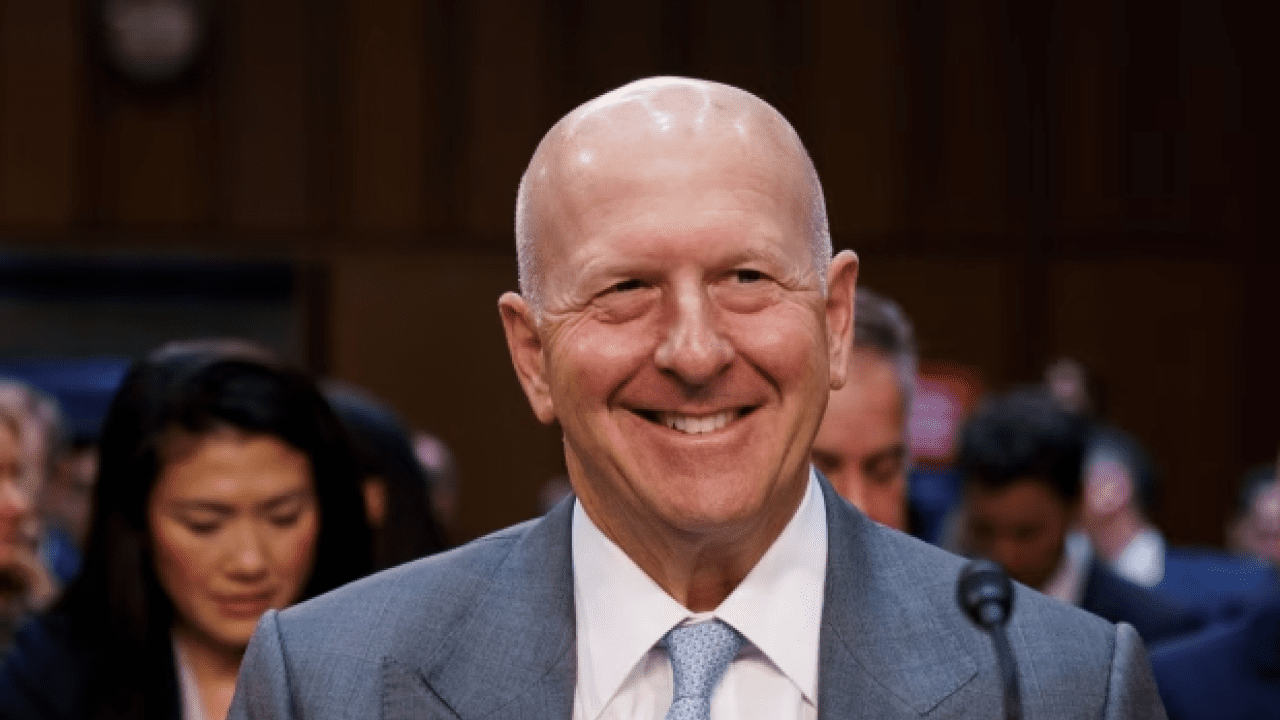
Goldman Sachs DEI policy shift is set to reshape how the Wall Street giant evaluates candidates for its board of directors, as the firm moves to eliminate race, gender identity, ethnicity and sexual orientation from its formal selection criteria. The reported change comes amid mounting political and legal pressure on diversity, equity and inclusion (DEI) programs across corporate America and follows outreach from a conservative activist group.
According to a report by The Wall Street Journal, the bank is preparing to revise its governance framework, marking a significant step in its broader recalibration of diversity commitments.
Also read: Goldman Sachs’ $500 Million India Push Elevates Its Standing in Local Investment Banking
Board Criteria to Drop “Other Demographics”
At present, Goldman Sachs’ board governance committee assesses potential directors using four primary factors. One of those includes a broad definition of diversity encompassing viewpoints, professional background, and experience, including military service.
In addition, the framework references “other demographics,” a category that includes DEI-related considerations such as race, gender identity, ethnicity and sexual orientation.
Under the proposed revision, those demographic characteristics would be removed from the formal criteria used to evaluate board candidates. Sources cited in the report said the board is expected to approve the updated language this month.
The changes would not eliminate diversity considerations entirely but would narrow the scope of explicitly listed demographic factors in the bank’s governance documents.
Activist Group Influence
The shift reportedly follows engagement with the National Legal and Policy Center, a conservative nonprofit organization that holds a small stake in Goldman Sachs.
In September, the group submitted a shareholder proposal seeking to eliminate DEI-related criteria from the bank’s board selection process. It requested that the proposal be included in Goldman’s proxy statement ahead of its annual shareholder meeting this spring.
According to the report, Goldman informed the organization that it intended to remove the DEI criteria and subsequently signed an agreement under which the activist group agreed to withdraw its proposal.
Broader Pullback on DEI Initiatives
Goldman Sachs is not alone in reassessing its diversity policies. Over the past year, several major financial institutions have scaled back or restructured DEI programs amid growing scrutiny.
The bank has already adjusted its flagship diversity initiative, One Million Black Women, a multibillion-dollar investment program aimed at supporting Black businesswomen and nonprofit leaders. References to race were reportedly removed as part of a broader retooling of the program.
Goldman also ended its previous requirement that companies in the United States and Western Europe must have diverse boards in order for the bank to underwrite their public listings.
Political Pressure Intensifies
The corporate pullback comes against the backdrop of heightened political opposition to DEI efforts. Since returning to office, US President Donald Trump has pursued an aggressive stance against diversity, equity and inclusion programs in both government and the private sector.
An executive order issued early last year directed federal departments and agencies to initiate civil investigations into corporate DEI programs. Trump and his allies have argued that such initiatives are discriminatory, framing them as incompatible with merit-based practices.
The evolving legal and political landscape has prompted many companies to reassess how diversity commitments are structured and communicated.
Goldman Sachs’ planned changes signal a notable recalibration at one of Wall Street’s most influential institutions, reflecting the broader corporate response to intensifying scrutiny of DEI policies.