
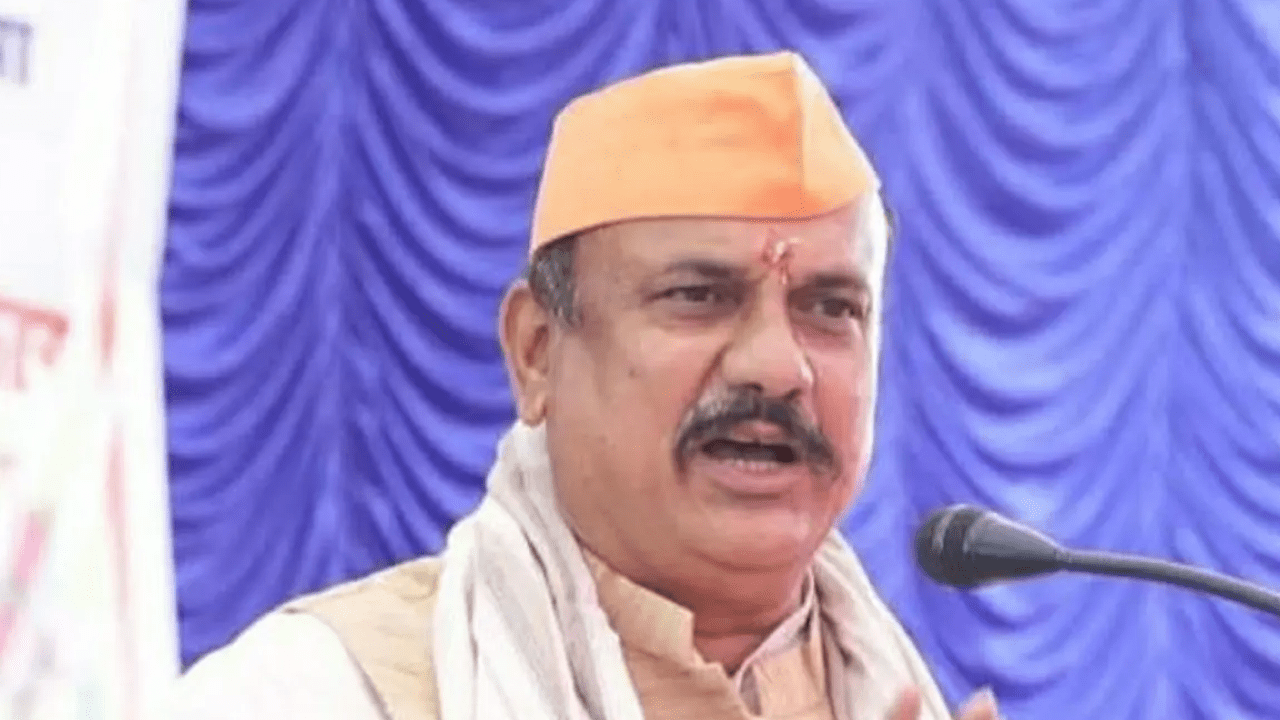
A case has been filed against Maharashtra Congress president Harshwardhan Sapkal after his remarks equating Tipu Sultan with Chhatrapati Shivaji Maharaj sparked controversy. The complaint, lodged by Pune BJP chief Dhiraj Ghate, accuses Sapkal of hurting Hindu sentiments by comparing the 17th-century Maratha ruler, known for his fight against the Mughals, to Tipu Sultan, a Muslim ruler who fought against British colonial forces in the 18th century.
The issue arose following a discussion on the display of a portrait of Tipu Sultan at the Malegaon municipal corporation’s deputy mayor’s office. The portrait, installed by Deputy Mayor Shan-e-Hind Nihal Ahmed, had drawn protests from local political groups, including the Shiv Sena, due to Tipu Sultan’s Muslim identity. During a media interaction on Saturday, Sapkal defended the display, drawing parallels between Tipu Sultan’s bravery and that of Shivaji Maharaj.
Sapkal stated, “Chhatrapati Shivaji Maharaj laid the foundation for ‘swarajya’ (self-rule), a concept that Tipu Sultan later followed in his battles against the British. In that regard, Tipu Sultan displayed immense bravery and courage, making him a true son of India.” He further emphasized that Tipu Sultan, despite being a Muslim, never allowed communal ideologies to define his actions and should be regarded as a symbol of bravery akin to Shivaji.
However, Ghate strongly opposed the comparison, asserting that it offended Hindus, especially those who revere Shivaji Maharaj as a divine figure. “What message does Sapkal intend to send with these comments? It hurts the sentiments of people who consider Shivaji Maharaj as God,” Ghate said.
In response to Ghate’s complaint, Pune city police have booked Sapkal under sections 192, 196(1), 196(2), 352, and 356(2) of the Indian Penal Code. Authorities have launched a formal investigation into the matter.
Also read: Sharad Pawar Health Update: NCP Chief Recovering Well After Chest Congestion, Set for Discharge
Focus on Communal Harmony Amidst Political Controversy
The controversy over Sapkal’s remarks comes at a time of heightened political and communal sensitivities. The comparison between the two historical figures, who represent different religious and cultural backgrounds, has ignited a debate over how India’s colonial history should be remembered and celebrated. While some argue that bravery transcends religious lines, others believe such comparisons could inflame communal tensions.
The ongoing investigation is expected to shed more light on whether the Congress leader’s statement was intended as a symbolic tribute to historical bravery or as a politically charged remark.