
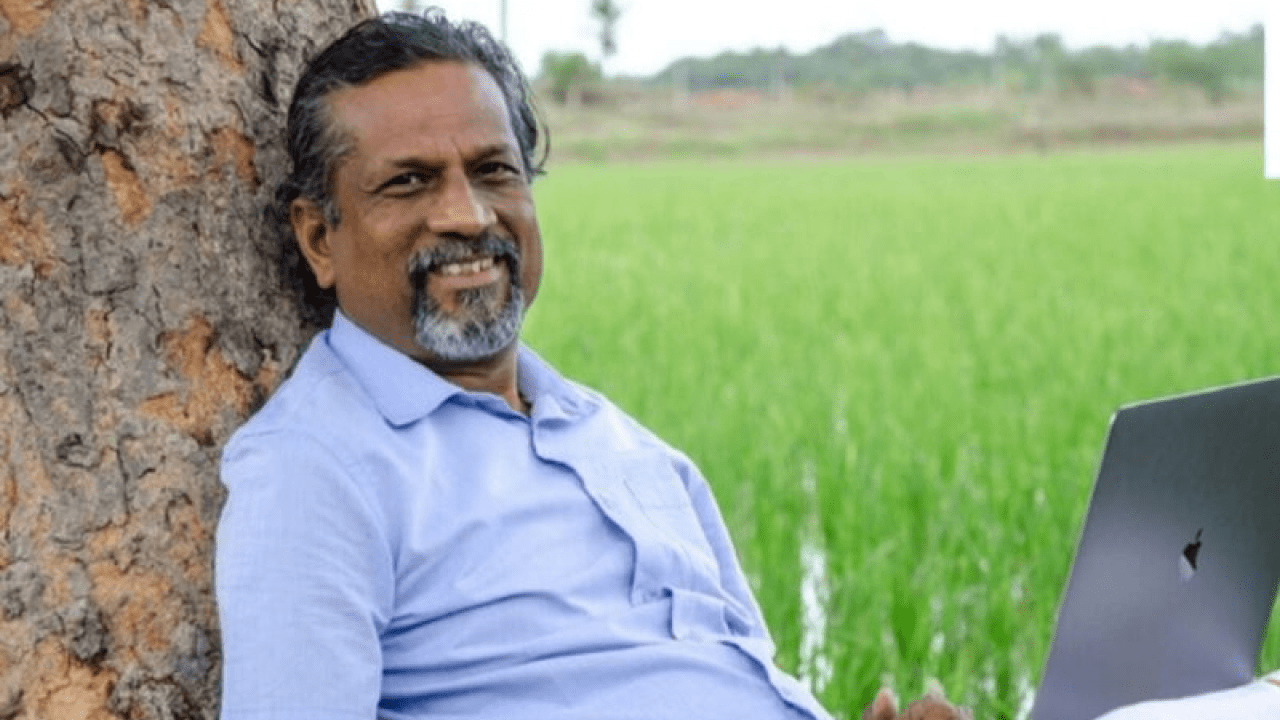
India AI strategy must avoid chasing capital and energy-intensive large language models (LLMs) and instead focus on smaller, more efficient artificial intelligence systems, Zoho founder and Chief Scientist Sridhar Vembu said, as the country prepares to host a major global AI summit later this month.
Vembu argued that attempting to compete head-on with global Big Tech firms building massive foundational models would be impractical for India, given the enormous costs, infrastructure constraints and energy demands involved. He said India’s strengths lie in its human capital and research capability, which should be channelled into developing alternative AI approaches that are less resource-intensive.
His comments come amid surging interest in artificial intelligence across India and align with observations in the latest Economic Survey, which cautioned that limited access to cutting-edge compute infrastructure and capital makes large-scale foundational AI models a challenging centrepiece for India’s AI ambitions.
Also read: AI Living Labs Foundation approved as Andhra Pradesh plans state-wide AI ecosystem
High costs make large LLM race impractical
Vembu pointed out that the leading global LLMs require investments ranging from USD 50 billion to USD 100 billion, alongside massive computing power and energy consumption.
“Sometimes, staying a little bit behind is a good idea,” he said, noting that advanced graphics processing units (GPUs) remain scarce and expensive, while electricity costs are rising sharply in key technology hubs such as the United States.
According to him, this environment makes it risky for India to replicate the same large-model approach dominated by a handful of US-based technology giants, with China also emerging strongly in open-source AI models.
Call for bottom-up, brainpower-led innovation
Instead of emulating energy-hungry global models, Vembu advocated a shift toward smaller models and alternative AI techniques that can deliver impact without excessive capital or power requirements.
“There are other approaches to AI that don’t involve this type of large language model approach. Those are promising, and we have to invest in them by applying our brain power rather than energy, which is scarce,” he said.
Zoho, he added, is already exploring more energy-efficient AI routes and investing in research and development focused on leaner, purpose-driven systems.
This perspective mirrors the Economic Survey’s recommendation for a bottom-up approach to AI development, which it said aligns better with India’s economic and infrastructural realities.
India AI Impact Summit draws global attention
The debate on India’s AI direction comes as the country prepares to host the India AI Impact Summit, billed as the largest among four major global AI gatherings held so far. Previous summits include the AI Safety Summit hosted by the UK, the AI Seoul Summit, and the AI Action Summit hosted by France.
According to an official release, the event has already attracted more than 35,000 registrations, reflecting strong global interest. The summit is expected to see participation from over 100 countries, including 15 to 20 Heads of Government, more than 50 ministers, and over 40 leading global and Indian companies.
Also read: India AI Impact Summit 2026 Triggers Surge in Delhi Five-Star Hotel Tariffs
Global tech leaders and startups to participate
Around 500 prominent figures from the global AI ecosystem including innovators, researchers and chief technology officers are expected to attend. The summit will also showcase more than 500 AI startups and host roughly 500 sessions alongside the main programme.
High-profile participants are expected to include NVIDIA Founder and CEO Jensen Huang, Anthropic CEO Dario Amodei, Microsoft President and Vice Chair Brad Smith, Google DeepMind Co-founder and CEO Demis Hassabis, and Accenture Chair and CEO Julie Sweet.
With responsible, inclusive and impact-driven AI at the centre of discussions, the summit is set to play a key role in shaping India’s position in the evolving global AI landscape.