
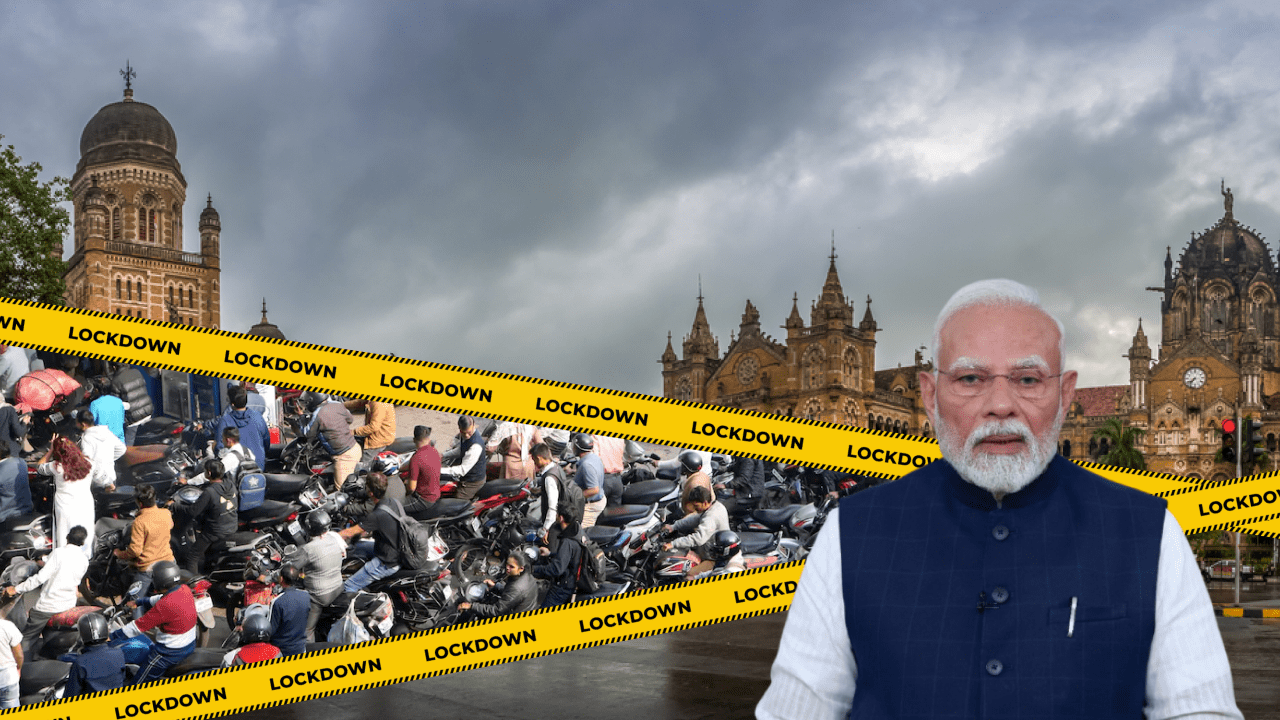
Amid rising public anxiety over a possible India lockdown, the central government has issued a categorical denial, stating that no such measure is under consideration despite escalating geopolitical tensions in West Asia. The clarification follows a surge of misinformation on social media and misinterpretations of Prime Minister Narendra Modi’s recent parliamentary remarks, which referenced preparedness in the face of global uncertainty not restrictions on daily life.
Union Minister Hardeep Singh Puri publicly dismissed the rumours, calling them “completely false” and emphasising that the government remains focused on maintaining stability in energy supplies and essential commodities. The statement comes at a time when global markets are reacting to the ongoing Iran–US conflict, which has disrupted key oil supply routes and triggered widespread speculation about its potential domestic impact.
The panic was further fueled by viral claims suggesting that Modi had hinted at a COVID-style lockdown during his speeches in Parliament. However, a closer examination of his remarks reveals that the Prime Minister did not mention any such measure. Instead, he invoked India’s pandemic response as an example of unity and resilience during crises, urging citizens to remain prepared without implying restrictions on movement or economic activity.
Also read: LPG Shortage in India Triggers Long Queues, Restaurant Closures and Surge in Electric Cooking Demand
Background Context
The current wave of speculation is rooted in the broader geopolitical instability unfolding in West Asia. The conflict, now stretching into its fourth week, has disrupted international shipping lanes and raised concerns about energy security, particularly through the strategically vital Strait of Hormuz.
India, heavily reliant on imported crude oil, has been closely monitoring the situation. Government officials have stressed that while global supply chains are under pressure, domestic preparedness remains strong. Strategic petroleum reserves, diversified sourcing, and full-capacity refinery operations have helped cushion immediate risks.
The timing of the rumours also coincided with the sixth anniversary of India’s 2020 COVID-19 lockdown, amplifying public sensitivity to any mention of emergency preparedness. Modi’s references to “COVID-like readiness” were widely misinterpreted as a precursor to similar restrictions, despite repeated clarifications from officials.
Why This Matters
The rapid spread of lockdown rumours underscores the powerful role of misinformation in shaping public behaviour, particularly during times of global uncertainty. In several cities, unverified claims triggered panic buying, leading to temporary crowding at petrol pumps and LPG distribution centres.
Authorities were quick to respond. Public sector oil companies reassured citizens that fuel supplies remain stable, while enforcement agencies cracked down on hoarding activities. In one instance, over 2,000 illegally stored LPG cylinders were seized in a single day.
Such reactions highlight the economic and social risks posed by misinformation. Even unfounded fears can disrupt supply chains, strain retail infrastructure, and create artificial shortages issues the government is keen to prevent through proactive communication.
Government Response and Preparedness
Officials have reiterated that India is not facing a public health emergency but rather navigating an evolving economic and geopolitical challenge. The government has activated multiple monitoring mechanisms, including seven empowered groups tasked with overseeing essential commodities and supply chains.
In parallel, steps have been taken to shield consumers from global price volatility. The recent decision to cut excise duties on petrol and diesel aims to ease the burden on households while maintaining market stability.
Hardeep Singh Puri emphasised that the government is tracking developments in real time and is fully prepared to respond to emerging challenges. He noted that India has consistently demonstrated resilience in the face of global disruptions and will continue to act in a coordinated and timely manner.
Prime Minister Modi also urged citizens to rely on verified information sources and avoid panic-driven behaviour. His message focused on maintaining unity and readiness without disrupting normal life.
What Happens Next
As the West Asia conflict continues to evolve, India’s primary focus will remain on safeguarding energy security and economic stability. Diplomatic efforts are ongoing, with Indian leadership engaging international stakeholders to support de-escalation and ensure the safe flow of oil through critical maritime routes.
Market watchers expect continued volatility in global crude prices, but domestic buffers are likely to mitigate immediate shocks. The government is expected to maintain close surveillance of supply chains and may introduce additional policy measures if the situation worsens.
For now, officials are urging calm. There are no plans for a nationwide lockdown, and citizens are encouraged to continue their daily activities without fear of sudden restrictions.