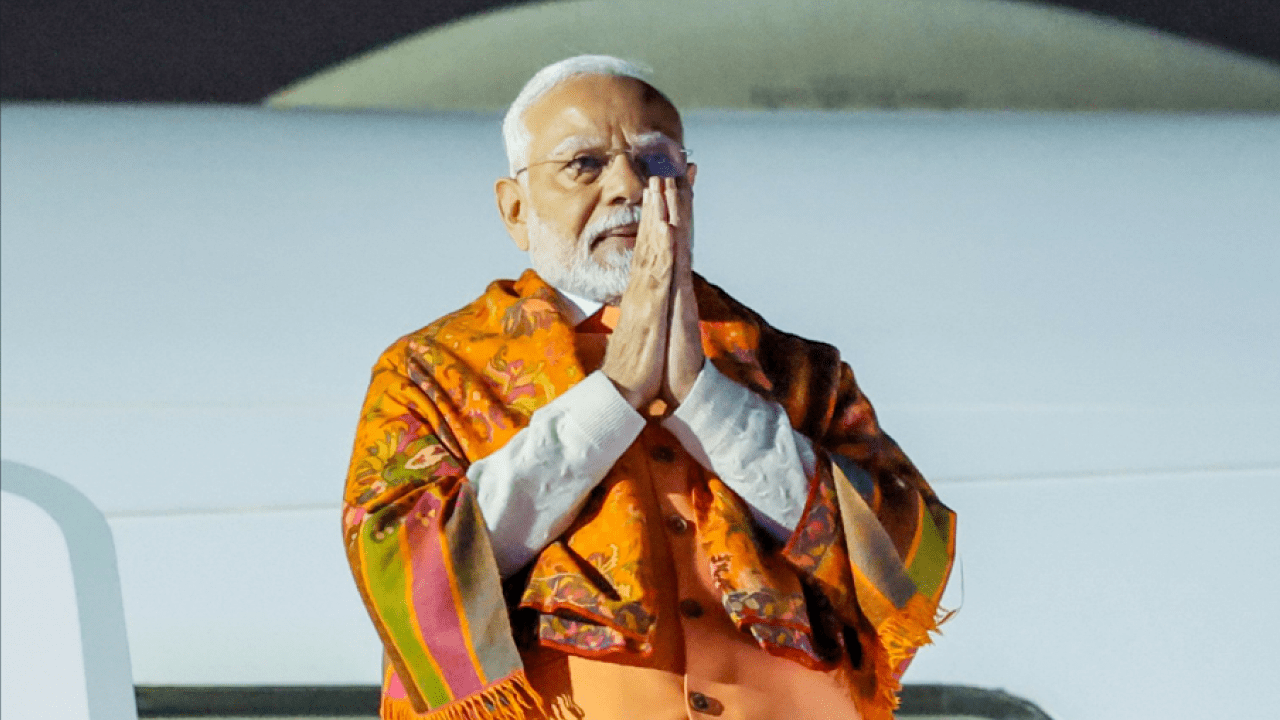
Prime Minister Narendra Modi’s YouTube channel has crossed the 30 million subscriber mark, reinforcing his status as the most-followed world leader on the platform and underscoring the growing influence of digital communication in global politics. The milestone not only places Modi far ahead of his international counterparts on YouTube but also highlights the scale of his online engagement strategy across multiple social media platforms.
With more than 30 million subscribers, Modi’s channel now leads all world leaders in subscriber count. His digital footprint on YouTube significantly outpaces that of other prominent political figures, including US President Donald Trump and former Brazilian President Jair Bolsonaro. The numbers reflect a sustained effort by the Indian prime minister to use digital platforms as a direct channel of communication with domestic and global audiences.
The development comes amid broader indicators of Modi’s continued popularity, both online and in approval metrics, positioning him uniquely at the intersection of political leadership and digital influence.
Also read: Modi Israel Visit Signals Strategic Depth Amid US-Iran Tensions
Digital Dominance Across Platforms
On YouTube, Modi’s subscriber base is more than seven times larger than that of Donald Trump, according to available data. Jair Bolsonaro, who ranks second among world leaders on the platform, has roughly one-fourth of Modi’s total subscriber count.
Within India, Modi’s online advantage is equally pronounced. His YouTube following is nearly three times that of Congress leader Rahul Gandhi and more than four times the subscriber base of the official channels of the Indian National Congress and the Aam Aadmi Party individually.
The YouTube milestone follows another significant achievement on Instagram. Modi recently became the first world leader and politician to cross 100 million followers on the Meta-owned platform. Having joined Instagram in 2014, he now commands more than double the follower count of Donald Trump on that platform.
Other global leaders trail at considerable distance. Indonesian President Prabowo Subianto has around 15 million Instagram followers, while Brazil’s president has approximately 14.4 million. Turkish President Recep Tayyip Erdogan and Argentine President Javier Milei also maintain substantial followings, though significantly below Modi’s numbers.
On X (formerly Twitter), data compiled by Statista indicates that Modi has about 106.3 million followers, placing him among the most-followed political leaders globally. The platform’s overall follower rankings are led by figures such as Elon Musk and former US President Barack Obama, underscoring the competitive digital landscape in which political leaders operate.
Approval Ratings Reinforce Online Popularity
Modi’s strong social media presence aligns with high approval ratings reported in recent global surveys. As of December 2025, he held the highest approval rating among selected world leaders, according to data compiled by Statista.
Separately, a US-based business intelligence firm, Morning Consult, reported that Modi ranked first with a 67 percent approval rating. The findings were based on data collected between February 2 and February 8, 2026. Another data point cited his approval rating at 70 percent among surveyed global leaders.
While social media metrics and approval ratings measure different aspects of leadership, the convergence of high digital engagement and strong approval numbers reinforces Modi’s position as one of the most prominent political figures globally.
Industry / Market Impact
The rapid growth of Modi’s digital following reflects a broader transformation in political communication. Social media platforms have become essential tools for leaders seeking to bypass traditional media channels and communicate directly with constituents.
YouTube, in particular, offers long-form video capabilities that allow leaders to broadcast speeches, policy updates, interviews, and event coverage without intermediary interpretation. Crossing 30 million subscribers signals not only popularity but also a sizable and potentially mobilizable digital audience.
For technology platforms, political leaders with massive followings contribute to user engagement and advertising value. High-profile accounts drive viewership, shares, and cross-platform traffic, reinforcing the central role of social media in shaping public discourse.
Why This Matters
The milestone carries significance beyond numerical rankings. In an era where digital narratives often shape public perception as powerfully as traditional campaigns, a large and engaged online following can influence policy communication, election messaging, and international outreach.
Modi’s dominance across YouTube, Instagram, and X illustrates how political leadership is increasingly intertwined with digital strategy. Direct-to-audience messaging allows leaders to frame policy decisions, respond to criticism, and project global influence without relying solely on legacy media.
Moreover, the gap between Modi and other world leaders on YouTube underscores the extent to which digital outreach has become a competitive arena in global politics. As leaders worldwide invest in online engagement strategies, subscriber counts and follower metrics are emerging as new benchmarks of political reach.
What Happens Next
Sustaining such digital growth will likely require continued content innovation and platform engagement. With global audiences consuming political content across multiple channels, maintaining relevance demands consistent messaging and adaptability to evolving algorithms and audience expectations.
As social media platforms refine content policies and political advertising regulations, leaders with large followings may face greater scrutiny and responsibility regarding digital communication standards.
For now, crossing 30 million YouTube subscribers solidifies Narendra Modi’s position as the most-followed world leader on the platform a marker of both political visibility and the expanding influence of digital governance in the 21st century.