
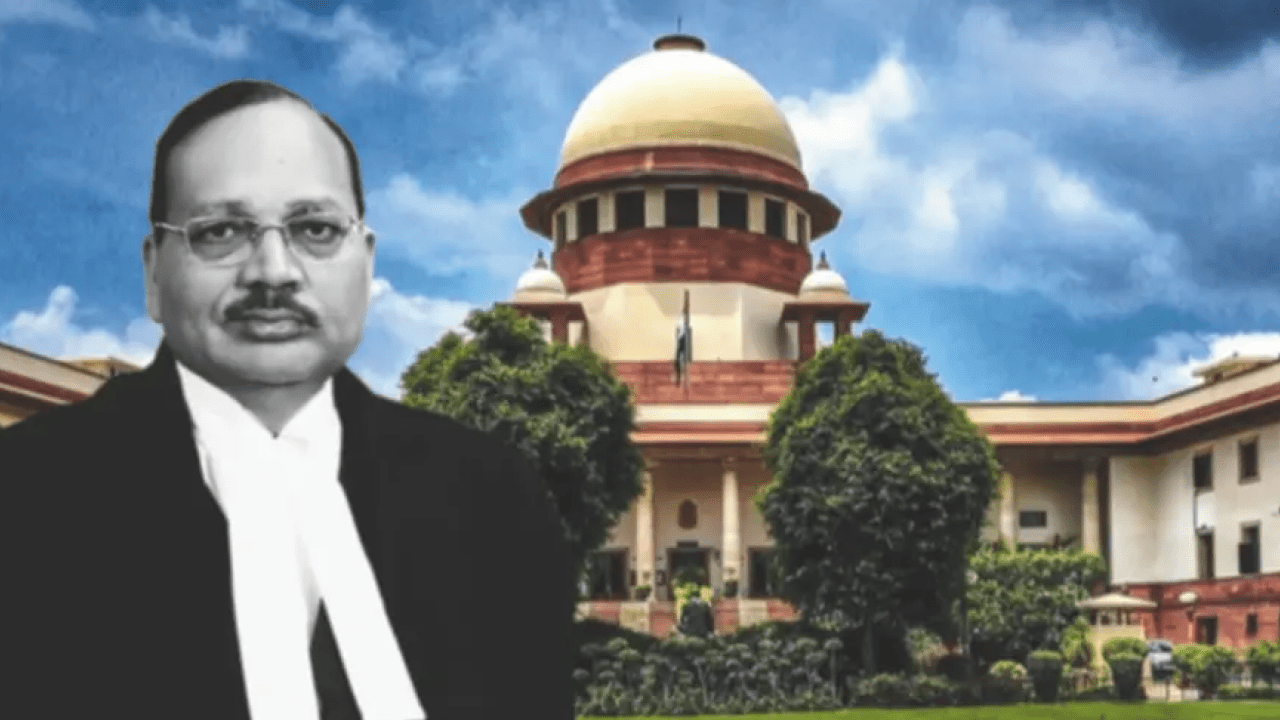
A fresh controversy over a Class 8 social science textbook has escalated into a constitutional flashpoint, after the Supreme Court took suo motu cognisance of references to “corruption at various levels of the judiciary” in a newly released publication by the National Council of Educational Research and Training (NCERT).
Chief Justice of India Surya Kant on Wednesday declared that the judiciary’s integrity would not be allowed to be “tainted,” warning that the court would take appropriate action against any attempt to defame the institution. Within hours, senior government sources indicated that the contentious portion would be removed, and NCERT issued a formal apology, announcing that the chapter would be rewritten in consultation with appropriate authorities before the 2026–27 academic session.
The episode underscores growing sensitivity around how constitutional institutions are portrayed in school curricula and signals potential judicial oversight in matters traditionally handled by academic bodies.
The controversy centers on a chapter titled “Role of the Judiciary in Our Society” in the revised Class 8 social science textbook. Alongside explanations of the court hierarchy and access to justice, the chapter listed systemic challenges, including corruption, backlog of cases, shortage of judges, procedural complexity, and infrastructure constraints.
The mention of corruption, however, triggered strong objections from members of the bar and bench.
Supreme Court’s Sharp Response
The matter was mentioned before the bench by senior advocates Kapil Sibal and Abhishek Manu Singhvi, who argued that teaching young students that the judiciary is corrupt was deeply troubling and institutionally damaging.
Chief Justice Kant responded firmly, stating he was already aware of the issue and had received numerous communications from High Court judges who were “perturbed.” He emphasized that the judiciary’s institutional credibility must be protected and indicated that proceedings had already been initiated.
Justice Joymalya Bagchi, part of the three-judge bench that also included Justice Vipul M. Pancholi, reportedly observed that constitutional integrity appeared to be lacking in the framing of the content.
The bench subsequently took suo motu cognisance of what it described as objectionable references in the textbook.
Government and NCERT Move to Contain Fallout
Shortly after the court’s reaction, high-level government sources stated that the disputed reference “should not have been written” and confirmed that it would be removed. According to sources, educational material for middle-school students should focus on “inspirational” aspects of institutions rather than contentious commentary.
The chapter had cited remarks made in July 2025 by former Chief Justice B R Gavai regarding instances of misconduct within the judiciary and the importance of transparency and accountability in rebuilding public trust. That citation became a focal point of criticism.
In response to mounting pressure, NCERT removed the textbook from its website and placed its circulation on hold. In a public statement, the council described the inclusion of the material as an “error of judgement” and “purely unintentional.”
The council reiterated that it holds the judiciary “in the highest esteem” and affirmed that there was no intent to undermine any constitutional authority. It confirmed that the chapter would be rewritten after consultation with appropriate authorities and reissued for the academic year 2026–27.
Legal Community Divided on Educational Approach
The episode has sparked broader debate within legal circles about how complex institutional realities should be introduced to adolescents.
Senior lawyer Sidharth Luthra questioned whether a Class 8 curriculum should address institutional shortcomings at all, arguing that foundational civic education should focus on explaining constitutional structures and functions.
Supreme Court lawyer Pragya Parijat Singh expressed concern that the reference to corruption lacked critical context and failed to balance discussion of challenges with the judiciary’s role in shaping Indian democracy.
Meanwhile, Sibal publicly criticized what he described as “selectivity,” arguing that if corruption is discussed in textbooks, it should not single out one organ of the state.
The controversy also unfolded against the backdrop of data disclosed by the Law Ministry indicating that thousands of complaints against sitting judges had been received between 2016 and 2025 a statistic that adds complexity to the broader debate on transparency and public accountability.
Why This Matters
The dispute raises fundamental questions about how democratic institutions should be portrayed in school education. Civic textbooks often walk a fine line between promoting respect for constitutional bodies and fostering critical thinking.
On one hand, shielding students from institutional challenges could risk presenting an overly sanitized picture of governance. On the other, critics argue that highlighting corruption without nuanced explanation may erode trust at a formative age.
The Supreme Court’s intervention is significant because curriculum design has historically fallen within the domain of academic and executive authorities. Judicial scrutiny of textbook content signals a potential recalibration of that boundary when constitutional institutions are involved.
Timeline of Events
Monday: NCERT releases the revised Class 8 social science textbook featuring the chapter on the judiciary.
Wednesday Morning: Senior advocates mention the issue before the Chief Justice of India, expressing institutional concern.
Wednesday Afternoon: The Supreme Court takes suo motu cognisance, CJI Kant makes strong remarks on protecting judicial integrity.
Later Wednesday: Government sources confirm the controversial portion will be removed. NCERT apologises, withdraws the book from circulation, and announces a rewrite before the 2026–27 academic year.
What Happens Next
With the textbook now on hold, attention turns to how NCERT will revise the chapter and what consultative process it will adopt. The court’s proceedings may clarify the limits of academic commentary on constitutional bodies.
The episode is likely to prompt a broader review of how civic education addresses institutional accountability, transparency, and public trust themes central to democratic governance but sensitive in classroom contexts.
As the judiciary and executive navigate this dispute, the outcome could shape not only one textbook chapter but also the contours of civic education policy in India for years to come.