
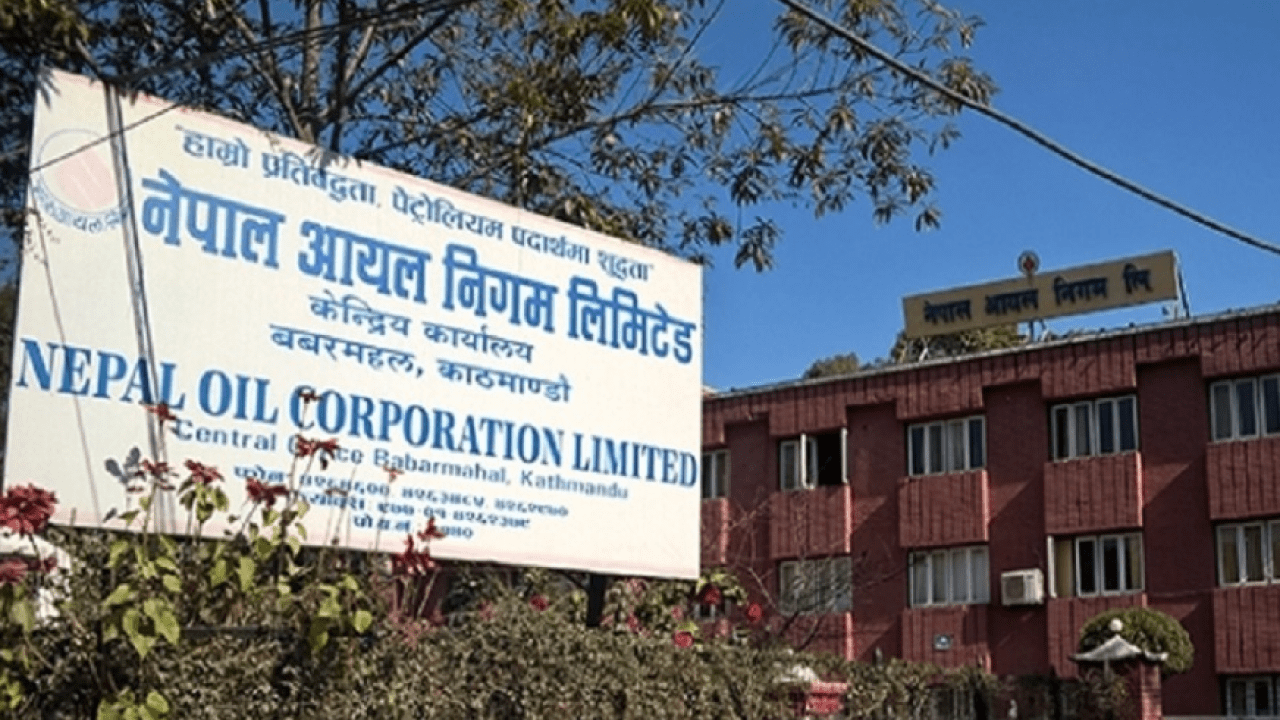
Nepal has increased petrol prices by Rs 15 per litre in a move linked to rising global oil prices triggered by escalating tensions in West Asia. The decision by the Nepal Oil Corporation (NOC) comes as geopolitical instability in the region continues to rattle international energy markets, pushing import costs higher for countries that rely heavily on foreign petroleum supplies.
The state-run fuel supplier announced the revised rates in a press statement, confirming that the new prices came into effect from Sunday midnight. Petrol prices rose by Rs 15 per litre, while diesel and kerosene increased by Rs 10 per litre. Officials said the adjustment was necessary due to a surge in international oil prices, driven by heightened geopolitical tensions involving the United States, Israel, and Iran.
Nepal depends entirely on imported petroleum products, making domestic prices highly sensitive to global market movements. The country sources fuel from Indian Oil Corporation under a long-term supply agreement, meaning international price fluctuations are quickly reflected in Nepal’s domestic fuel pricing structure.
The latest revision has raised concerns about the potential economic impact, particularly as consumers already face rising costs for essential goods.
Also read: LPG Shortage in India Triggers Long Queues, Restaurant Closures and Surge in Electric Cooking Demand
Revised Fuel Prices Across Major Cities
Under the new pricing structure announced by NOC, fuel rates vary depending on the classification of cities.
In major urban centers classified as third-tier cities including the capital Kathmandu, Pokhara, and Dipayal petrol now costs Rs 172 per litre, while diesel and motor oil are priced at Rs 152 per litre.
Second-tier cities such as Dang and Surkhet will see petrol sold at Rs 171 per litre and diesel or motor oil at Rs 151 per litre.
In first-tier cities including Biratnagar, Janakpur, Bhairahawa, Nepalgunj, Dhangadhi, Birgunj, and Charali petrol is now priced at Rs 169.50 per litre, while diesel and motor oil cost Rs 149.50 per litre.
NOC stated that the pricing adjustment reflects rising import costs driven by volatility in international oil markets.
Why Global Tensions Are Driving Fuel Prices
The latest price hike comes amid intensifying geopolitical tensions in West Asia, a region that produces a significant share of the world’s crude oil. Concerns about potential supply disruptions in the region have pushed global oil prices higher over the past several weeks.
Energy markets are particularly sensitive to instability in the Middle East because shipping routes, production facilities, and export infrastructure are concentrated there. Even the perception of potential conflict or supply disruption can trigger rapid price fluctuations.
For countries like Nepal that lack domestic oil production, such developments directly translate into higher import costs.
The NOC acknowledged the impact of the increase on consumers, stating that the corporation is aware of the financial burden higher fuel prices may impose on households and businesses but emphasized that the adjustments were unavoidable under current market conditions.
Industry and Market Impact
Economists warn that higher fuel prices could ripple across Nepal’s economy in the coming weeks. Transportation costs are expected to rise, which could lead to increases in the price of food, construction materials, and other essential commodities.
Nepal’s economy is particularly vulnerable to fuel price shocks because logistics and transport costs play a major role in supply chains across the mountainous country. Goods transported from border entry points to major urban centers often travel long distances, making fuel prices a key determinant of final consumer costs.
Public transportation operators and freight companies may soon seek fare revisions if fuel costs remain elevated. This could place additional pressure on household budgets, especially in urban areas where daily commuting costs are already rising.
Background: Nepal’s Dependence on Imported Fuel
Nepal imports all of its petroleum products, primarily from India, leaving the country exposed to global energy price volatility. The supply agreement with Indian Oil Corporation ensures consistent fuel availability but also means domestic prices are closely tied to international crude oil movements.
Historically, the Nepal Oil Corporation adjusts fuel prices periodically based on updated import price lists received from its Indian supplier. When global crude oil prices increase, the adjustments are often passed on to consumers through domestic price hikes.
The current price revision reflects the broader pressures affecting global energy markets amid geopolitical uncertainty.
What Happens Next
If tensions in West Asia persist, analysts believe fuel prices could remain volatile in the coming weeks. Further increases cannot be ruled out if global crude prices continue climbing.
For Nepal, maintaining stable fuel supply while minimizing economic disruption will remain a key challenge. Policymakers may also face growing pressure to consider mitigation measures such as transportation subsidies or temporary tax adjustments to ease the burden on consumers.
Until global oil markets stabilize, however, domestic fuel prices in Nepal are likely to remain closely tied to developments far beyond its borders.