
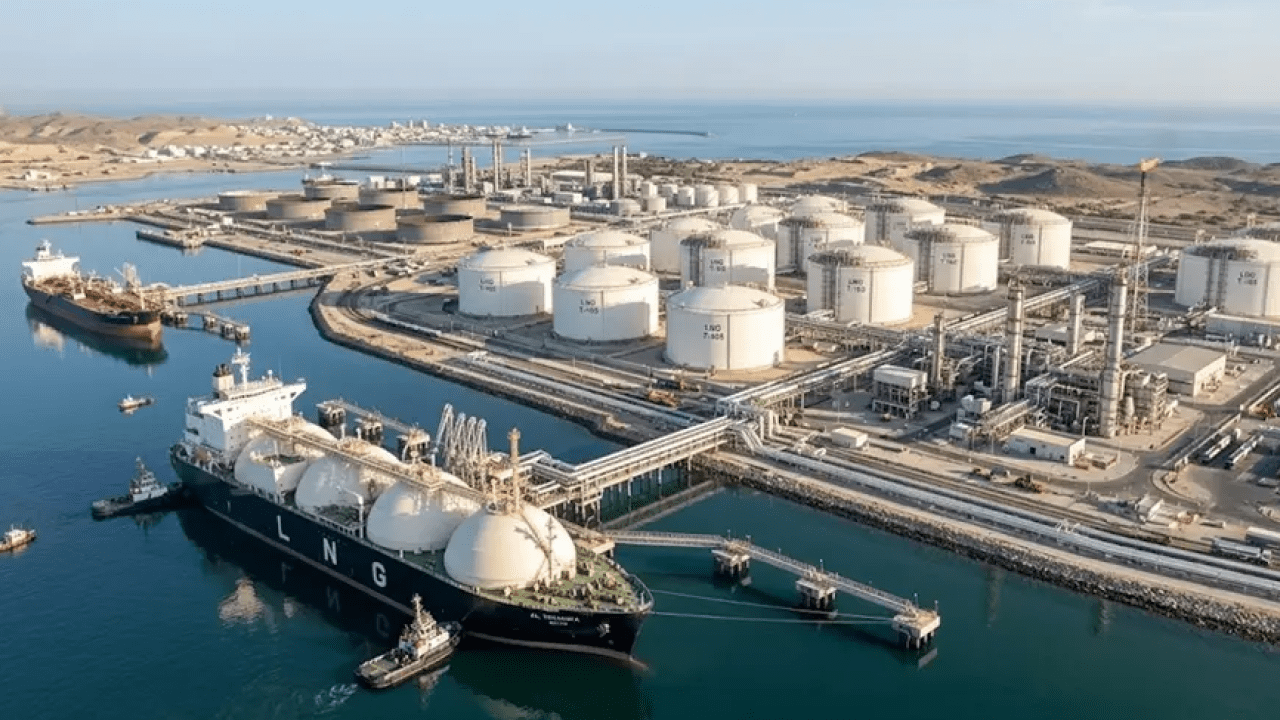
A sudden Qatar LNG disruption triggered by attacks on key gas facilities and escalating conflict in West Asia has sent shockwaves across global energy markets, threatening not only fuel supplies but also critical technology supply chains that power artificial intelligence, cloud computing, and semiconductor manufacturing.
Qatar one of the world’s largest exporters of liquefied natural gas halted production at major facilities after drone strikes targeted industrial infrastructure including operations in Ras Laffan Industrial City. The shutdown forced both QatarEnergy and India’s largest LNG importer, Petronet LNG, to declare force majeure as vessels became unable to safely navigate the Strait of Hormuz, the narrow maritime corridor through which a significant share of the world’s energy shipments pass.
The disruption has immediate consequences for countries like India, which depends heavily on Qatari LNG imports. But the ripple effects extend far beyond fuel markets. The same natural gas processing systems also produce industrial gases such as helium and neon essential materials used in semiconductor fabrication and advanced computing systems that underpin the global artificial intelligence boom.
With geopolitical tensions now directly affecting both energy flows and digital infrastructure, analysts warn the incident exposes how deeply modern technology depends on fragile physical supply chains concentrated in volatile regions.
Also read: Fire at Fujairah Oil Storage in UAE Amid Rising Tensions in Middle East
Why Qatar’s LNG Infrastructure Is So Critical
Qatar occupies a central position in the global energy system. The country produces roughly 77 million tonnes of LNG annually, accounting for about 20% of global LNG supply.
Its operations are centered around Ras Laffan Industrial City, one of the world’s largest LNG export hubs. The facility integrates multiple liquefaction trains, petrochemical processing systems, storage terminals, and gas-to-liquids technology, allowing Qatar to supply markets across Asia, Europe, and the Americas through long-term contracts.
The feedstock comes from the vast North Field gas reservoir, one of the largest natural gas deposits on the planet.
Because of this scale, any disruption at Qatari facilities quickly reverberates across global energy markets. When production halts, importers must scramble for alternative supply in the spot market often at dramatically higher prices.
This vulnerability is amplified by geography. Nearly all Qatari LNG shipments must pass through the Strait of Hormuz, a narrow maritime corridor connecting the Persian Gulf to international waters. The channel handles roughly 20% of global LNG shipments and about one-third of seaborne crude oil exports, making it one of the most strategically sensitive energy chokepoints in the world.
Impact on India’s Energy Supply
India is among the most exposed to the current disruption.
Qatar supplies roughly 40% of India’s LNG imports, with Petronet LNG alone contracted to purchase 8.5 million tonnes annually under long-term agreements. When hostilities in the Gulf prevented tankers from safely reaching Qatar’s loading terminals, shipments were temporarily halted.
As a result, several Indian sectors are already feeling the impact.
City gas distribution companies report supply cuts of up to 40%, affecting the availability of compressed natural gas (CNG) for vehicles and piped gas for households. Industrial users, including power plants and petrochemical facilities, are also facing tightening supplies.
Some manufacturers can switch to alternative fuels such as fuel oil or diesel, but those options come at a significantly higher cost.
Meanwhile, companies trying to replace contracted LNG volumes in the spot market face prices exceeding $25 per million British thermal units, roughly double the price of long-term contracts.
Industry representatives warn that if CNG loses its price advantage over petrol or diesel, consumers may shift toward electric vehicles permanently, altering India’s urban transport energy mix.
The Hidden Link Between LNG and AI Chips
The consequences of the disruption extend beyond energy markets.
Natural gas processing produces industrial gases like helium and neon, both essential for semiconductor manufacturing. Helium is used to cool high-precision equipment in chip fabrication plants, while neon powers lasers that etch microscopic circuits onto silicon wafers.
These components are vital for producing advanced processors used in artificial intelligence systems, data centres, and high-performance computing infrastructure.
If supplies of these gases tighten, semiconductor fabrication plants could face production constraints potentially slowing the manufacturing of advanced AI chips used in servers and cloud infrastructure worldwide.
In other words, a disruption in LNG infrastructure in the Gulf could ultimately affect the supply of processors used in artificial intelligence systems and cloud platforms.
Strategic Chokepoint: The Strait of Hormuz
The crisis also underscores the geopolitical risks surrounding the Strait of Hormuz.
At its narrowest point, the waterway is only about 21 nautical miles wide, leaving limited room for safe passage of large LNG carriers that typically measure between 250 and 360 meters in length.
When tensions rise in the region, shipping activity can drop sharply. Reports indicate vessel traffic through the strait has already fallen significantly in recent days, reflecting the heightened security risk.
Alternative shipping routes exist but are far from ideal. Rerouting cargo around the Cape of Good Hope can add two to three weeks to voyages between the Middle East and Asian markets, dramatically increasing shipping costs and insurance premiums.
These added costs ripple through the global energy system, raising electricity prices, industrial production costs, and ultimately consumer prices.
What Happens Next
Energy analysts say the trajectory of the crisis depends largely on whether maritime traffic through the Strait of Hormuz resumes safely in the coming weeks.
If tensions persist, global LNG markets could face prolonged tightness, forcing countries to compete for limited cargoes in the spot market.
India may attempt to compensate by sourcing additional LNG from the United States or other exporters, but these supplies typically involve longer transit times and higher shipping costs.
Meanwhile, governments and energy companies are likely to accelerate efforts to diversify supply chains, expand strategic reserves, and reduce reliance on single suppliers.
The incident may also prompt broader reassessment of where critical digital infrastructure such as cloud data centers and AI computing clusters should be located, given the growing overlap between energy security and technological resilience.
Why This Matters
The Qatar LNG disruption illustrates a deeper reality about the modern global economy, digital technology ultimately depends on physical infrastructure energy systems, shipping lanes, and industrial materials.
When geopolitical tensions threaten those foundations, the consequences extend far beyond fuel markets. They can influence semiconductor production, cloud computing reliability, and even the pace of innovation in artificial intelligence.
In a world increasingly powered by data and algorithms, the stability of energy supply chains remains one of the most critical and vulnerable pillars of global economic security.