
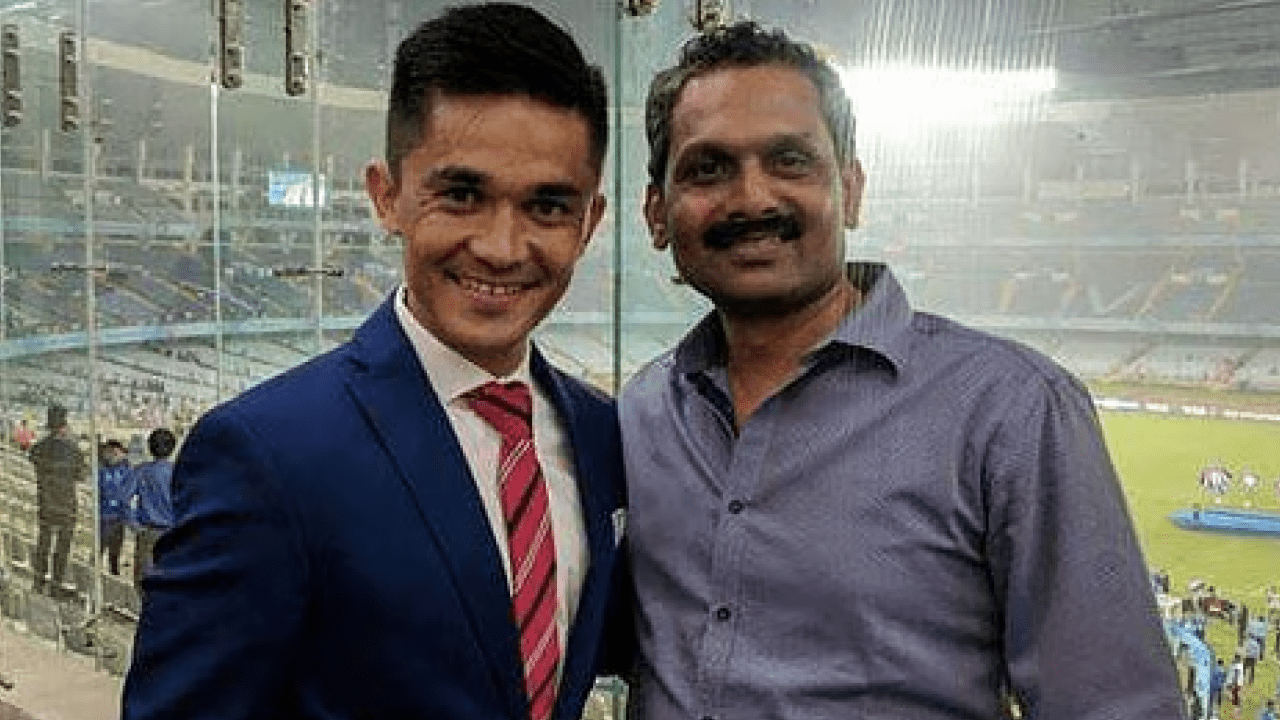
Shaji Prabhakaran on Indian football crisis comes at a defining moment for the sport, as the Indian Super League (ISL) resumes amid financial uncertainty, shrinking commercial confidence, and intense competition from cricket’s dominance during the T20 World Cup season. With the league’s long-term commercial partner stepping away and the All India Football Federation (AIFF) stepping in to manage operations, Indian football finds itself at a crossroads balancing survival with the need for structural reform and grassroots revival.
The former AIFF secretary general believes the current turbulence should serve as a wake-up call. From sustainability concerns in the ISL to the absence of a successor to Sunil Chhetri, Prabhakaran argues that the future of Indian football depends on building a robust development ecosystem that consistently produces local stars.
Also read: India Enters Race to Host 2031 AFC Asian Cup, Eyes Historic First-Time Staging
AIFF Steps In as ISL Faces Commercial Headwinds
The return of the Indian Super League follows months of uncertainty after Football Sports Development Limited (FSDL) chose not to renew its long-standing partnership. Despite a decade of heavy investment that improved infrastructure, salaries, and global branding, sustained commercial returns remained elusive.
Prabhakaran clarified that the AIFF’s involvement is less a takeover and more a necessity born out of a challenging market environment.
He noted that commercial interest in football is currently weak, making it difficult to secure long-term partners. While reports suggest a fresh long-term bidding plan could be explored, he stressed that the league’s survival hinges on growing visibility, improving national team performances, and rebuilding brand confidence.
With more than half the season already gone, he believes the league’s competitiveness and fan engagement both in stadiums and digitally will determine its commercial recovery next season.
Investment Without National Team Success
Reflecting on the ISL’s 10-year journey, Prabhakaran acknowledged the transformational impact of investment in professionalising Indian football. Stadium upgrades, better training facilities, higher player salaries, and improved coaching standards have marked significant progress.
However, he pointed out a glaring shortcoming the national team’s underperformance.
Without strong international results and local icons, sustaining viewership and brand interest becomes increasingly difficult. According to Prabhakaran, the solution lies in strengthening grassroots competitions and ensuring year-round youth engagement.
He emphasised that Indian football needs locally developed stars to capture fan loyalty. Without them, the sport struggles to compete in a cricket-dominated landscape.
Financial Strain and Player Pay Cuts
Reports of player salary reductions this season have highlighted the financial stress within the ISL ecosystem. Prabhakaran described the current campaign as “not a regular season,” citing sponsorship losses and limited time for clubs to secure new commercial deals.
Players, he said, voluntarily agreed to pay cuts in a mutual decision aimed at keeping clubs operational. But he warned that sustainability remains the biggest concern.
Clubs cannot continue spending without recovery, he added, and next season will be critical in assessing whether commercial stability has returned. Greater competitiveness, packed stadiums, and digital engagement will be key in attracting sponsors back into the fold.
The Lionel Messi Effect: Hype vs. Long-Term Planning

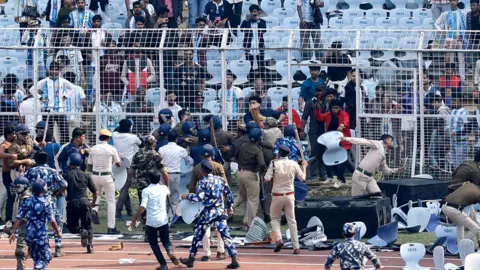

The recent visit of Lionel Messi generated extraordinary buzz across Kolkata, Hyderabad, Mumbai, and Delhi. Although he did not play a competitive match, stadiums were filled, brands lined up, and football dominated national conversation for days.
Prabhakaran believes the event proved football’s untapped commercial potential in India. However, he cautioned against equating short-term hype with systemic growth.
While Messi’s presence sparked government-backed initiatives and renewed investor discussions including major projects in Maharashtra Prabhakaran stressed that lasting change requires a nationwide strategy focused on children’s engagement, competitive platforms, and structured development pathways.
Revisiting AIFF’s Vision 2047
In 2023, the All India Football Federation unveiled “Vision 2047: The Indian Football Strategic Roadmap,” outlining long-term goals across grassroots leagues, women’s football, coaching standards, referee development, and national team rankings.
Prabhakaran, who was part of its unveiling, described the blueprint as an honest and structured approach intended to undergo annual evaluation and course correction.
He reiterated that generational transformation requires 15 to 20 years of sustained effort. Transparency, measurable goals, and consistent execution, he said, remain essential for meaningful progress.
The Search for the Next Sunil Chhetri
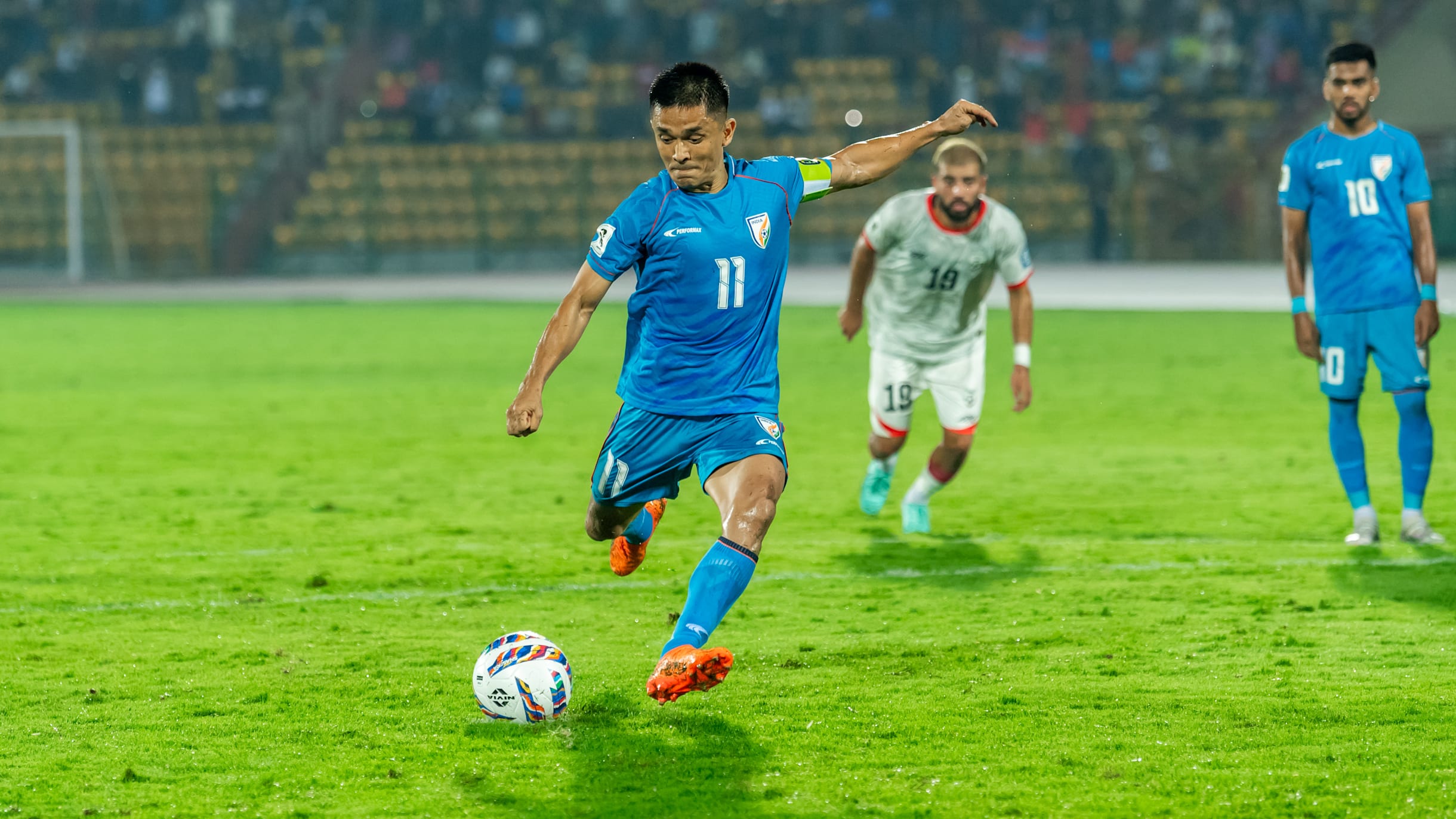

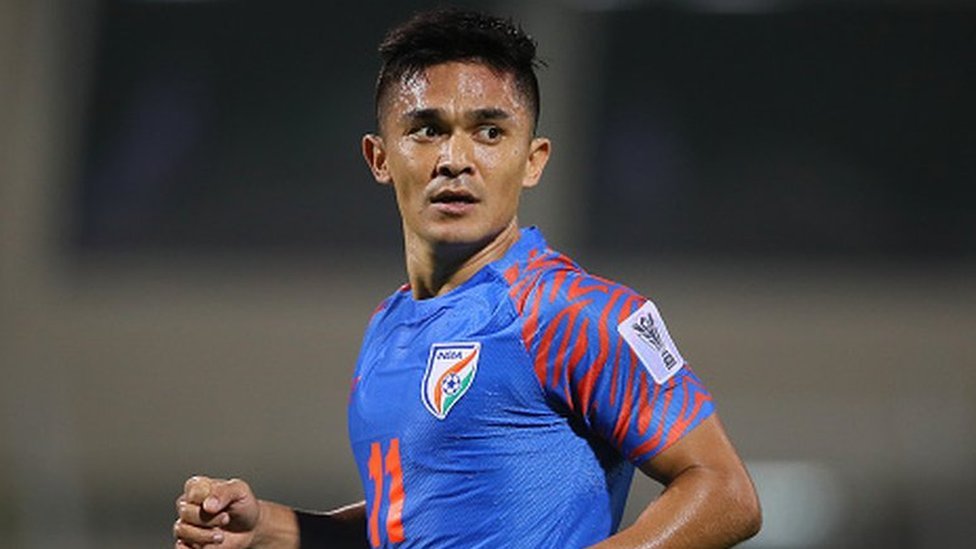
For over two decades, Sunil Chhetri has been the face and focal point of Indian football. His goal-scoring consistency and leadership made him indispensable, and recent struggles forced the AIFF to bring him back from retirement underscoring the team’s continued reliance on the veteran striker.
Prabhakaran believes the problem is systemic.
India, he said, does not just need one successor it needs multiple players of Chhetri’s caliber across every position. Continuous scouting, empowerment of local clubs, inter-college tournaments, and grassroots mining for raw talent are crucial.
He praised initiatives like Delhi’s Strikers’ Cup, which featured 24 colleges and over 600 players, as positive steps in building a competitive culture. But he warned that without embedding a “culture of excellence” into the system, talent development will remain inconsistent.
Chhetri’s rise, he noted, was driven more by individual determination than by systemic design. The next generation, he argued, must emerge from a structured and sustainable football ecosystem.