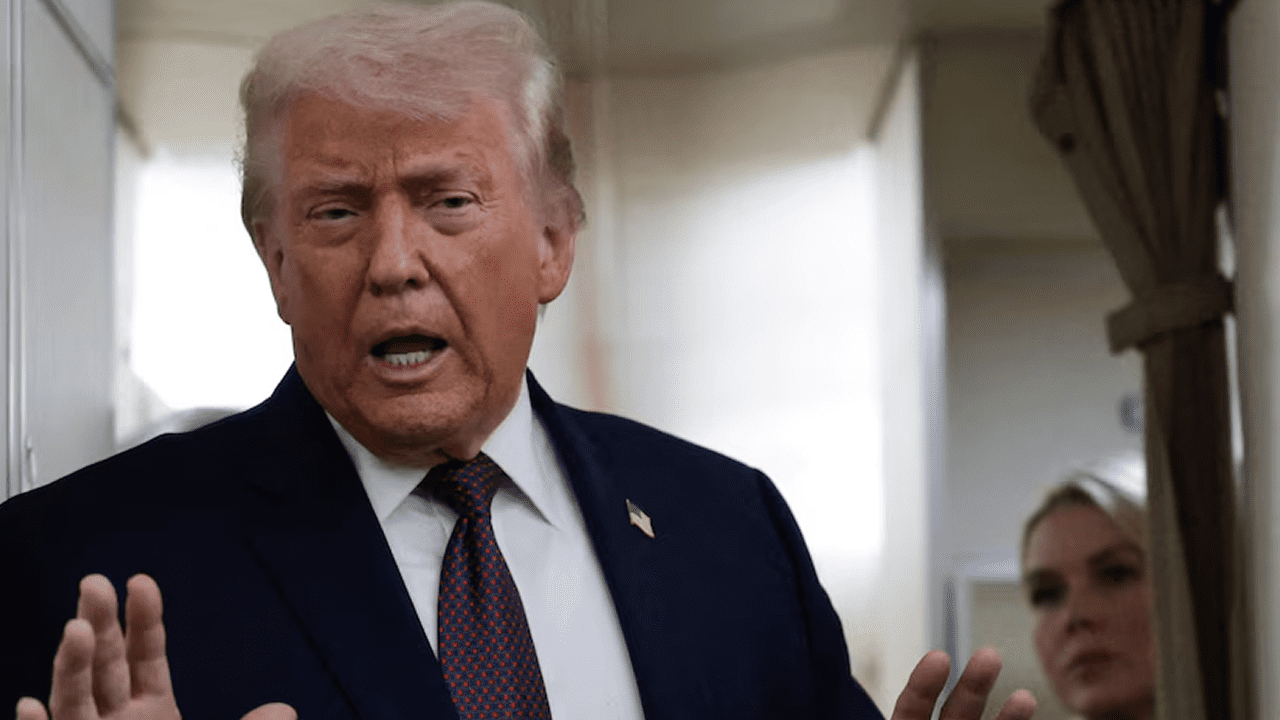
US government shutdown began early Saturday after Congress failed to approve a federal budget before the midnight deadline, forcing a partial halt to government operations and suspending funding for several non-essential services. The lapse followed stalled negotiations in Washington, underscoring ongoing political divisions even as lawmakers signaled the disruption could be brief.
Federal agencies affected by the shutdown are expected to curtail operations until Congress passes either a stopgap measure or a full-year funding bill. Essential services will continue, but hundreds of thousands of federal workers could face furloughs or delayed pay if the impasse drags on.
Budget Deadline Missed Amid Political Tensions
The shutdown was triggered after lawmakers were unable to finalize the 2026 budget in time, according to an AFP report. Negotiations reportedly broke down amid Democratic anger over the killing of two protesters in Minneapolis by federal immigration agents, an incident that derailed talks on new funding allocations for the Department of Homeland Security (DHS).
Officials familiar with the discussions said the dispute over DHS funding became a major obstacle, preventing consensus before the deadline passed.
Also read: Union Budget 2026: What to Expect from Taxes, Customs, and Debt Management
House Expected to Act on Senate-Backed Deal
Despite the lapse in funding, congressional leaders from both parties suggested the shutdown may be short-lived. The Senate has already backed a funding agreement, and the House of Representatives is expected to take up the deal early next week when it reconvenes.
Lawmakers are continuing behind-the-scenes efforts to secure enough votes to ratify the Senate-approved measure, which would restore funding and end the partial shutdown.
Impact on Federal Operations
Until an agreement is reached, several non-essential government functions will remain paused. Agencies have begun implementing shutdown contingency plans, while leaders in Congress emphasize that negotiations are ongoing to minimize the duration and impact of the disruption.