
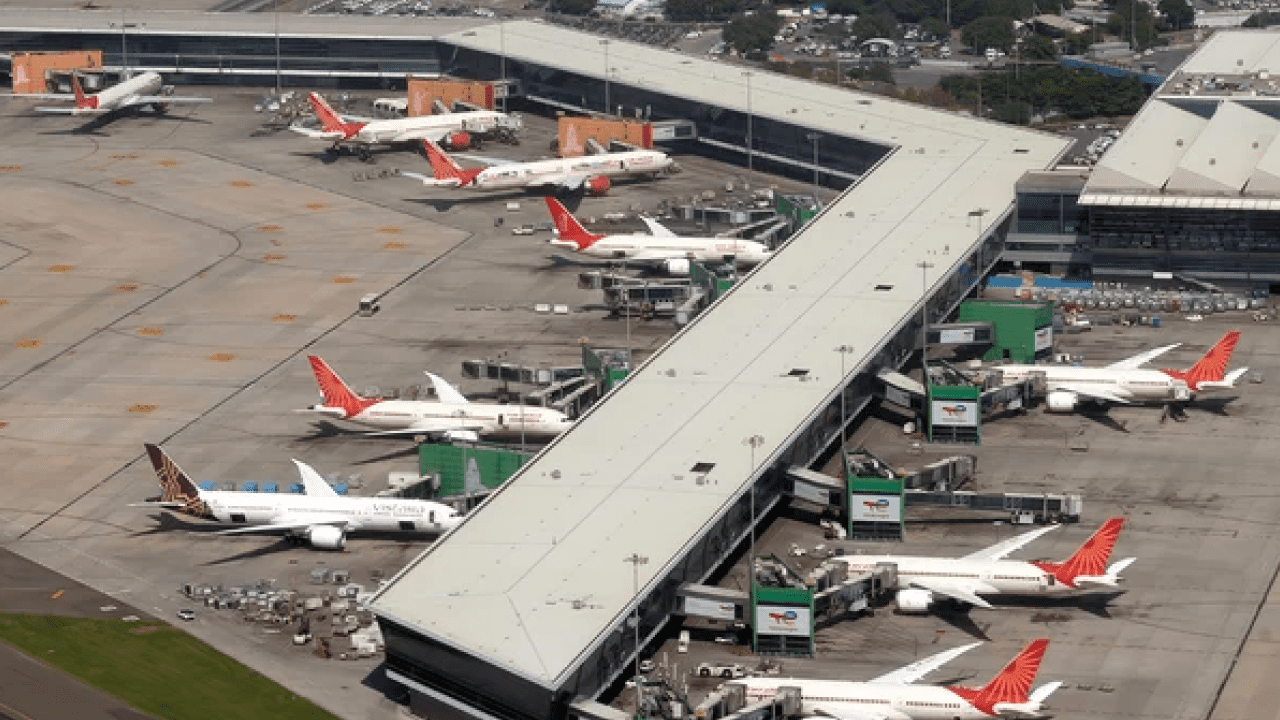
The global aviation industry is rapidly recalibrating operations as a sharp jet fuel price surge triggered by escalating tensions in West Asia forces airlines to raise ticket prices, introduce fuel surcharges, cut capacity, and rethink financial forecasts. With jet fuel prices climbing from roughly $85–$90 per barrel to as high as $150–$200 in recent weeks, carriers worldwide are confronting one of the most severe cost shocks in years, with fuel accounting for up to a quarter of operating expenses and even higher in markets like India.
From full-service giants to low-cost carriers, airlines are passing on rising costs to passengers through fare hikes and additional fees, while simultaneously trimming routes and delaying expansion plans. The ripple effects are already visible across domestic and international travel markets, signaling a prolonged period of volatility for both airlines and consumers.
Airlines Respond with Price Hikes, Surcharges, and Cuts
Airlines across continents have moved swiftly to mitigate the financial strain. Indian carriers have been among the most active in revising pricing structures.
Air India has transitioned from a flat domestic fuel surcharge to a distance-based system ranging from ₹299 to ₹899 per sector, while significantly increasing international surcharges some routes now seeing charges as high as $280. The airline noted that even these hikes fail to fully offset the surge in fuel costs, particularly on long-haul routes.
IndiGo has implemented similar measures, introducing fuel surcharges across domestic and international flights, with long-haul international routes seeing increases up to ₹10,000. Akasa Air has also added surcharges between ₹199 and ₹1,300, reflecting widespread pressure within India’s aviation market.
Globally, airlines are adopting a mix of pricing and operational strategies:
- Air France-KLM plans to raise long-haul fares by around €50 per round trip.
- AirAsia has cut 10% of its flights while imposing a 20% fuel surcharge.
- Air New Zealand has reduced capacity through May and June and withdrawn its earnings forecast.
- Delta Air Lines and United Airlines are cutting unprofitable routes and scaling back growth plans.
- SAS has canceled around 1,000 flights in April alone due to fuel costs.
In addition to ticket price increases, airlines are raising ancillary fees. Major U.S. carriers including American Airlines, Delta, United, and Alaska Airlines have increased baggage charges, while others like JetBlue are raising fees for optional services.
Industry / Market Impact
The surge in aviation fuel costs is reshaping the economics of global air travel. In India, aviation turbine fuel (ATF) prices briefly spiked over 100% for international operations, with airlines required to pay full market-linked rates for overseas flights. Even after partial government intervention for domestic carriers, fuel remains a dominant cost driver accounting for over 40% of operating expenses in some cases.
Globally, data from the International Air Transport Association (IATA) shows average jet fuel prices nearing $195 per barrel in late March, nearly doubling within weeks. The widening “crack spread” the margin between crude oil and refined products like jet fuel has compounded the pressure on airlines.
This environment is forcing carriers to adopt defensive strategies:
- Capacity cuts to protect margins
- Suspension or revision of earnings forecasts
- Delayed fleet expansion and route launches
- Increased reliance on ancillary revenue streams
For low-cost carriers, which operate on thin margins, the impact is particularly acute, raising concerns about long-term sustainability if fuel prices remain elevated.
Why This Matters
For passengers, the immediate consequence is clear, air travel is becoming more expensive. Fare increases, combined with surging surcharges and higher baggage fees, are pushing up the total cost of flying across both domestic and international routes.
There is also growing concern about demand destruction a scenario where rising prices discourage travel altogether. Industry insiders warn that sustained high fares could reduce passenger volumes, forcing airlines to further cut flights, especially on marginal or price-sensitive routes.
The impact extends beyond travelers. Tourism-dependent economies, global business travel, and cargo logistics could all feel the effects of reduced connectivity and higher costs.
What Happens Next
Airlines are bracing for continued uncertainty, with many declining to provide full-year financial guidance. Executives at major carriers have indicated that future decisions will depend heavily on how long fuel prices remain elevated.
Several trends are likely to shape the near-term outlook:
- Dynamic pricing adjustments: Airlines will continue revising fares and surcharges frequently based on fuel price movements.
- Capacity discipline: Unprofitable routes may be suspended, and growth plans will remain cautious.
- Government intervention: In markets like India, discussions around fuel taxation and pricing mechanisms could influence airline cost structures.
- Operational efficiency: Airlines are expected to intensify cost-cutting measures, including fleet optimization and fuel hedging strategies.
Some carriers, such as United Airlines, are preparing for a prolonged period of high oil prices, potentially extending through the decade. Others, like easyJet, have warned that the full impact on ticket prices may only become evident once existing fuel hedges expire.
Background Context
The current fuel crisis stems from geopolitical tensions involving the United States, Israel, and Iran, which have disrupted global energy markets and driven up crude oil prices. The resulting spike in jet fuel costs has created a cascading effect across the aviation sector.
Historically, fuel price volatility has been one of the most significant risks for airlines. However, the speed and scale of the current surge combined with already tight margins and post-pandemic recovery challenges make this episode particularly severe.
As airlines navigate this turbulent period, the balance between maintaining profitability and sustaining passenger demand will be critical. For now, travelers worldwide should expect higher costs and fewer options as the aviation industry adjusts to a new reality shaped by geopolitical uncertainty and soaring fuel prices.