
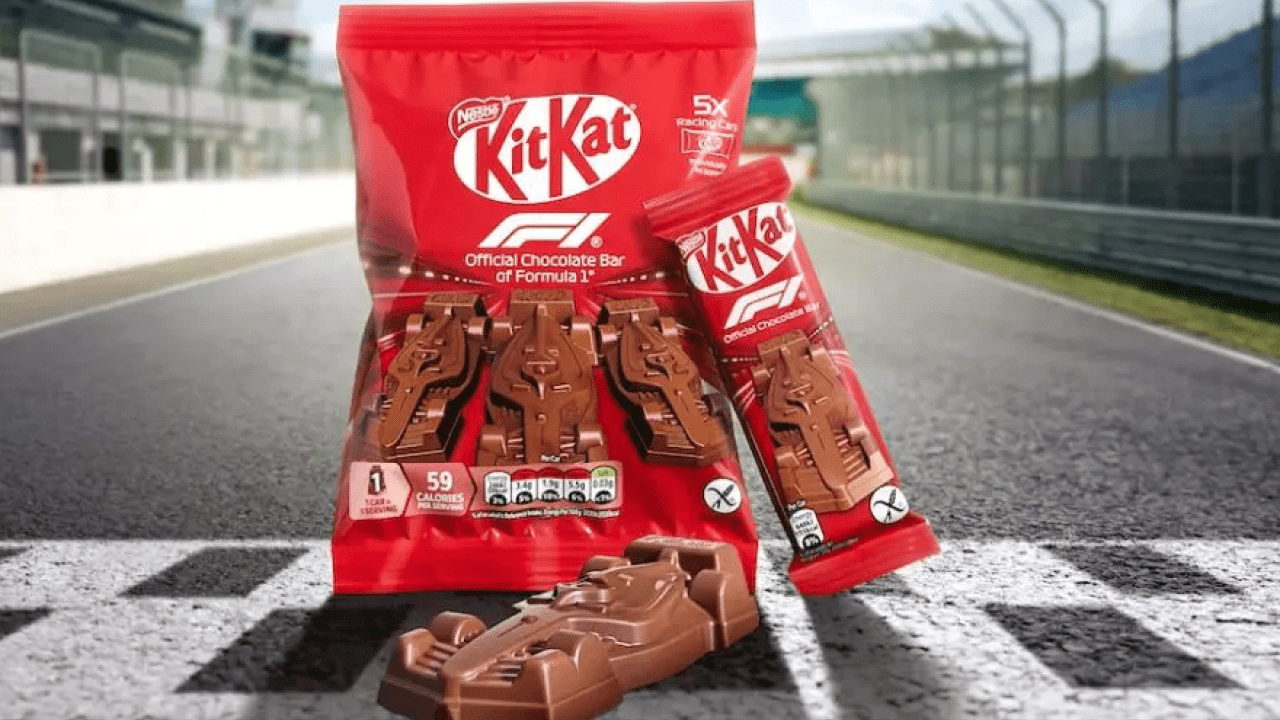
A massive shipment of KitKat chocolate bars amounting to more than 12 tonnes has been stolen in Italy in a high-value cargo heist just days before Easter, raising concerns over supply chain vulnerabilities across Europe. The stolen goods, part of a newly launched Formula One-themed product line, were en route from a factory in central Italy to Poland when the truck carrying them vanished on March 26.
The incident involves approximately 413,793 individual KitKat bars, according to Nestlé, the Swiss food giant that owns the brand. While the company has downplayed fears of widespread shortages, the scale and timing of the theft during a peak seasonal demand period have drawn attention to the growing sophistication of cargo theft operations across the continent.
Nestlé confirmed that the truck and its contents remain missing, though no injuries were reported during the incident. The company is currently working with local law enforcement and logistics partners to trace the shipment and investigate how the theft was executed.
The stolen products belong to KitKat’s newly introduced Formula One range, launched after the brand secured a global partnership with the racing series last year. These specialty bars are designed in race car shapes, combining the brand’s signature wafer-and-chocolate format with motorsport-inspired branding.
In a statement, Nestlé acknowledged the unusual nature of the crime with a touch of humor, referencing KitKat’s well-known slogan, “We’ve always encouraged people to have a break with KitKat but it seems thieves have taken the message too literally.”
Despite the incident, the company has emphasized that consumer safety is not at risk and that overall supply levels remain stable.
Also read: Qatar LNG Disruption Sends Shockwaves Through Global Energy and AI Supply Chains
What Happened: A High-Value Cargo Disappears
The shipment departed from a production facility in central Italy and was scheduled for distribution across multiple European markets, with Poland as a key destination. Somewhere along this transit route, the truck was intercepted and stolen, though authorities have not disclosed the precise location or method used.
The scale of the theft over 12 tonnes of packaged consumer goods suggests a coordinated operation rather than an opportunistic crime. Industry observers note that such thefts often involve detailed knowledge of logistics routes, schedules, and cargo contents.
Nestlé has warned that the stolen chocolate may reappear in unauthorized or informal sales channels across Europe. To counter this, the company has enabled traceability measures through batch codes printed on each product. Retailers and consumers can scan these codes to determine whether a bar is part of the stolen shipment and report it accordingly.
Industry / Market Impact
The heist underscores a broader issue facing the logistics and retail sectors, the rising incidence of cargo theft across Europe. High-demand, easily resellable consumer goods especially food and confectionery are increasingly targeted due to their liquidity in secondary markets.
While Nestlé has stated that overall supply will not be significantly affected, even localized disruptions during peak periods like Easter can influence retail availability and pricing. Seasonal products, particularly limited-edition lines like the Formula One KitKat range, are especially vulnerable to such disruptions.
The incident may also prompt companies to reassess their transportation security protocols, including route monitoring, cargo tracking technologies, and partnerships with logistics providers. Insurance costs and operational risks could rise if such thefts continue to escalate.
Why This Matters
Beyond the immediate financial loss, the theft highlights systemic weaknesses in supply chain security at a time when global logistics networks are already under strain. Organized cargo theft is becoming more advanced, often involving insider information, GPS jamming, or coordinated interception tactics.
For consumers, the impact may be subtle but noticeable sporadic shortages of specific products or limited-edition items. For businesses, however, the implications are far more significant, ranging from financial losses and reputational damage to increased operational costs.
Nestlé’s decision to publicly disclose the theft reflects a growing trend among corporations to raise awareness about cargo crime rather than handling incidents quietly. By doing so, companies aim to encourage industry-wide collaboration and vigilance.
What Happens Next
Investigations into the heist are ongoing, with authorities working to locate the missing truck and identify those responsible. Given the scale of the operation, it is likely that multiple jurisdictions may become involved, particularly if the stolen goods begin appearing in different countries.
Nestlé has urged wholesalers, retailers, and consumers to remain alert and report any suspicious products through its batch code verification system. This could play a crucial role in tracking the movement of the stolen goods and aiding recovery efforts.
In the meantime, the company continues to coordinate with supply chain partners to ensure that distribution channels remain stable ahead of the Easter rush.
While the chocolate may have vanished for now, the incident leaves behind a lasting reminder, in today’s complex logistics environment, even something as simple as a candy bar can become the target of a highly organized crime.