
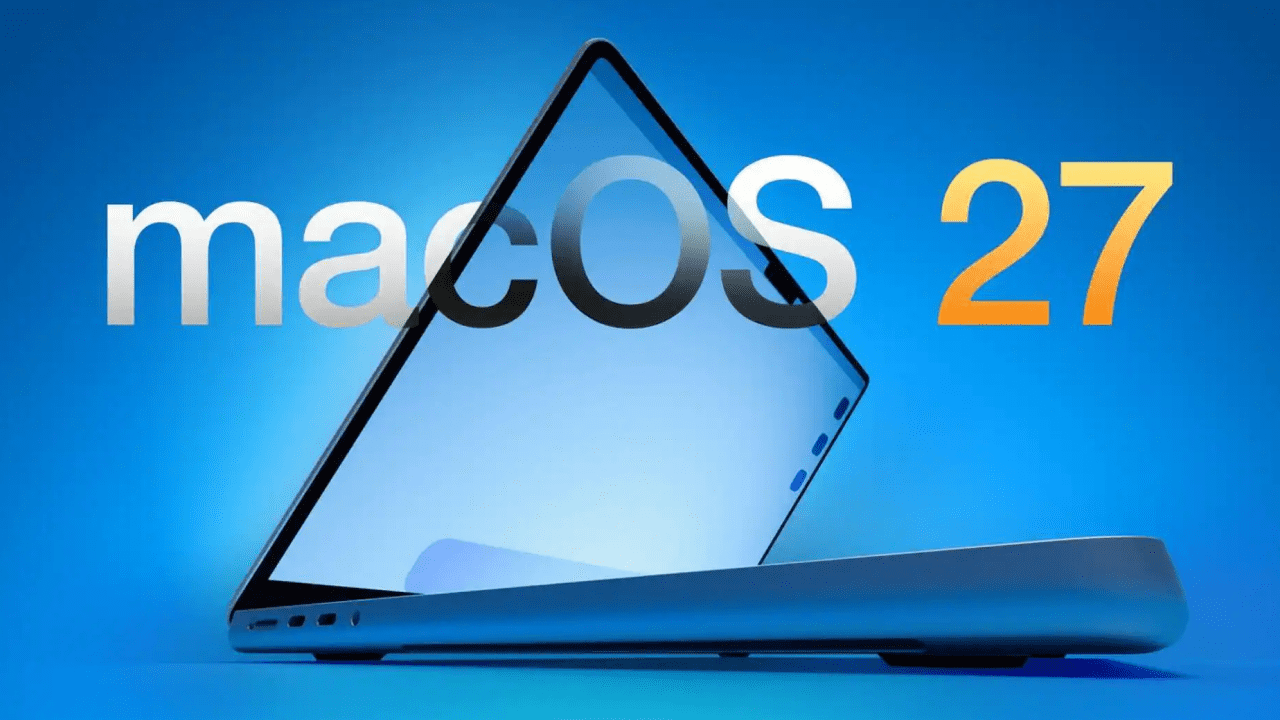
Apple is gearing up for a major update to its Mac operating system, macOS 27, addressing longstanding visual and performance issues while introducing smarter AI capabilities. The update marks a significant step in refining the Liquid Glass interface, a design first introduced with macOS 26 Tahoe, which received mixed feedback for its transparency effects on non-OLED displays. With macOS 27, Apple aims to deliver the interface as its designers originally intended, alongside performance improvements, battery optimizations, and upgraded AI tools.
A Polished Liquid Glass Experience
The Liquid Glass design, praised for its translucent aesthetics and depth effects, was optimized for OLED displays like those on iPhones and Apple Watches. On current Mac hardware mostly LCD-based the effects often rendered text hard to read in areas like Control Center, Finder sidebars, and dense list views. Users reported these issues as a significant usability problem, prompting Apple to recalibrate the interface.
Rather than abandoning Liquid Glass, the company is refining the implementation, ensuring shadows, translucency, and clarity align with the original vision. Internally, Apple describes this as a “slight redesign,” focusing on polish rather than reinventing the interface. Historically, Apple has followed similar iterative approaches, such as the post-iOS 7 enhancements seen in iOS 8, suggesting a commitment to long-term design integrity over rushed aesthetic launches.
AI Enhancements and Productivity Tools
Beyond design, macOS 27 brings substantial AI improvements. Siri is set for a complete overhaul, integrating a chatbot-style interface, deeper Gemini AI integration, and a unified Siri-and-Spotlight search experience. This redesign will allow users to select third-party AI models for Apple Intelligence features, enhancing personalization and flexibility across devices.
Safari is also receiving attention with an automatic tab organization feature. Users will be able to tap “Organize Tabs,” letting macOS intelligently group open tabs by topic. The tool aims to reduce clutter and streamline multitasking, an increasingly critical feature for users juggling dozens of active tabs during work sessions.
Expert Analysis / What This Means
Apple’s macOS 27 update represents a strategic balancing act between visual innovation and practical usability. By refining Liquid Glass rather than discarding it, Apple maintains its signature aesthetic while addressing the core issues reported by users. This move enhances readability and reduces visual fatigue, particularly for professionals spending long hours navigating Finder, Control Center, and complex app sidebars.
Industry-wise, these refinements signal Apple’s ongoing commitment to incremental but meaningful updates a philosophy that has historically paid off in user satisfaction and hardware-software harmony. The enhanced AI tools position macOS 27 as a productivity powerhouse, aligning with broader trends in AI-assisted computing. Users can expect smoother workflows, smarter system interactions, and potential ripple effects in developer expectations for app design compatibility. If successful, macOS 27 may set a new benchmark for Mac software, similar to how iOS 12 revitalized older devices with efficiency-focused improvements.
Industry / Market Impact
macOS 27’s improvements could influence the wider PC market by reinforcing Apple’s reputation for marrying design with performance. Competitors may feel pressure to optimize their own operating systems for clarity and efficiency on mixed hardware. AI integration, particularly the ability to use multiple AI models within core Mac features, may also accelerate adoption of AI-driven productivity tools across enterprise and creative sectors.
Background Context
The Liquid Glass interface debuted with macOS 26 Tahoe, showcasing Apple’s focus on depth, translucency, and modern visual cues. While aesthetically bold, the design encountered limitations on LCD-equipped Macs, highlighting the challenges of transferring OLED-optimized visuals to older or less capable hardware. Apple’s approach with macOS 27 continues a historical pattern: introducing innovative design changes, then refining implementation over subsequent updates to achieve the original vision without sacrificing usability.
What Happens Next
Apple is expected to officially reveal macOS 27 at its WWDC event on June 8. Ahead of public release, developers and beta testers will likely get access to early builds, allowing feedback on both Liquid Glass refinements and AI integrations. Key areas to watch include text readability improvements, battery performance gains, and the responsiveness of AI features such as the new Siri and Safari tab organization.