
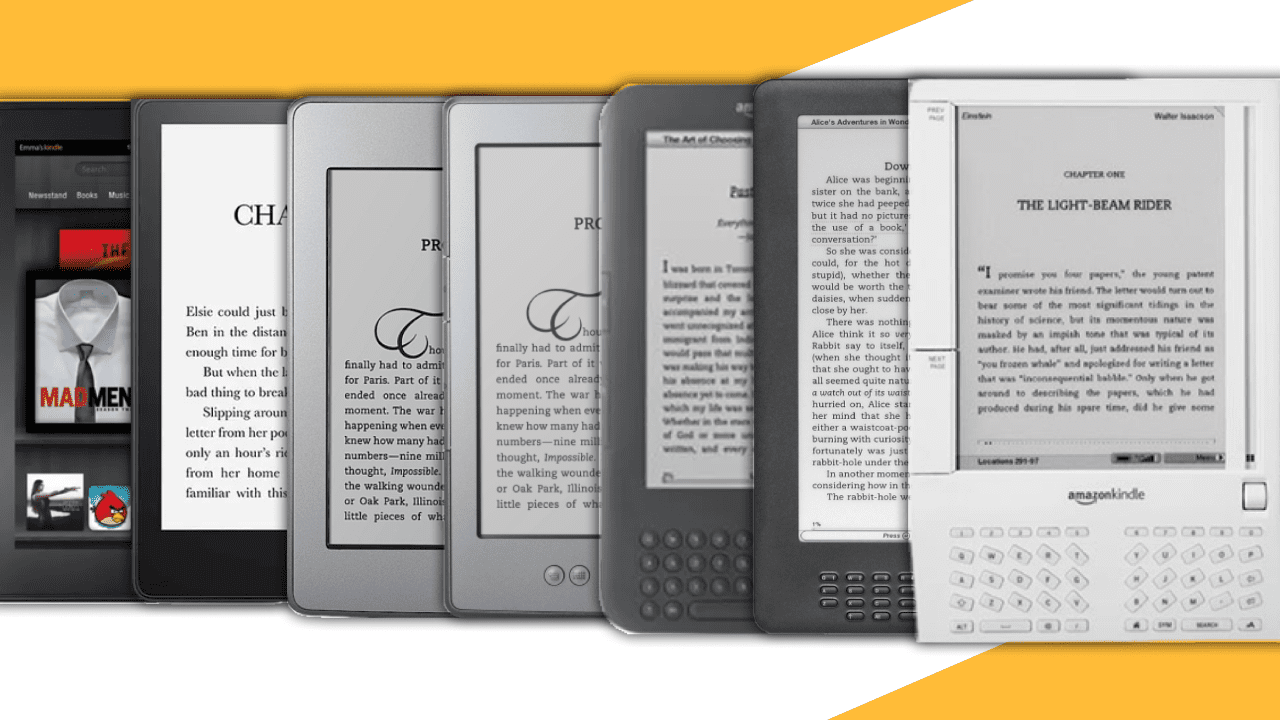
Amazon is set to end Kindle Store access for older e-readers and tablets, marking a significant shift for long-time users of its early devices. Beginning May 20, 2026, Kindle models released in 2012 or earlier will no longer be able to purchase, borrow, or download books directly from the Kindle Store a move that effectively ends full ecosystem support for devices dating back as far as 2007.
The decision impacts a wide range of early Kindle e-readers and Kindle Fire tablets, many of which have remained functional for over a decade. While users will still be able to read previously downloaded content, the inability to access new material directly from Amazon signals the end of an era for some of the longest-supported consumer electronics in the market.
Amazon confirmed the change in statements to multiple media outlets, noting that while the affected devices will continue to operate as reading tools, evolving technology standards and infrastructure have made continued support impractical.
Also read: Apple’s First Foldable iPhone Nears Launch: Expected Price, Features, and Market Impact
What’s Changing for Kindle Users
From the May 2026 cutoff date, affected devices will lose the ability to interact with the Kindle Store entirely. This means users will no longer be able to:
- Purchase new eBooks directly on the device
- Borrow titles through services like Kindle Unlimited or libraries
- Download previously purchased books from the cloud
However, the devices themselves will not become obsolete overnight. Users can still access any content already stored locally and may continue to sideload books manually via USB or third-party software tools.
Amazon has also warned that if users deregister or factory reset these older devices after the cutoff date, they will not be able to re-register them to an account effectively rendering them unusable within Amazon’s ecosystem.
Affected Kindle Models
The policy applies broadly to Kindle and Kindle Fire devices released in 2012 or earlier. These include:
- Kindle (1st Generation, 2007)
- Kindle DX and DX Graphite (2009–2010)
- Kindle Keyboard (2010)
- Kindle 4 and Kindle 5 (2011–2012)
- Kindle Touch (2011)
- Kindle Paperwhite (1st Generation, 2012)
- Kindle Fire (1st and 2nd Generation, 2011–2012)
- Kindle Fire HD 7 and 8.9 (2012)
Some of these devices have already faced partial limitations in recent years. For instance, earlier restrictions prevented users from browsing the Kindle Store directly on-device, though purchases made elsewhere could still be delivered wirelessly. The upcoming change closes that remaining loophole.
Why This Matters
Amazon’s move underscores the lifecycle limits of even highly durable consumer electronics. Kindle devices have historically stood out for their longevity, with some models receiving support for over 14 to 18 years far exceeding typical smartphone or tablet lifespans.
However, the shift also highlights the growing dependence of digital products on cloud-based ecosystems. Without access to Amazon’s servers, even functional hardware becomes significantly less useful.
For users, this raises broader concerns about digital ownership. While purchased books remain accessible, the inability to re-download content or transfer libraries directly to aging devices may push more consumers toward newer hardware or alternative platforms.
Industry / Market Impact
The decision is likely to accelerate upgrade cycles within the e-reader market. Amazon is already incentivizing users to transition, offering discounts on newer Kindle devices along with promotional eBook credits for a limited time.
This creates an opportunity not only for Amazon’s latest Kindle lineup but also for competitors in the e-reader space. Brands offering open ecosystems or broader file compatibility could attract users wary of platform lock-in.
At the same time, the move reflects a broader industry trend, companies phasing out legacy support to focus on modern hardware optimized for current connectivity standards, security protocols, and digital services.
Background Context
The gradual phase-out of older Kindles has been years in the making. In 2021, the shutdown of 3G networks in several regions already disrupted connectivity for early models that relied on cellular data instead of Wi-Fi.
Subsequent updates further reduced functionality, including limiting access to the Kindle Store interface. The May 2026 cutoff represents the final step in that transition from partial usability to complete disconnection from Amazon’s content ecosystem.
Despite these changes, Kindle devices have maintained a reputation for durability and simplicity. Their long battery life and focused functionality have allowed many users to keep devices operational far longer than typical consumer gadgets.
What Happens Next
For users still relying on older Kindles, the immediate priority is to ensure all desired content is downloaded before the May 20 deadline. After that, options become more limited:
- Continue using the device with existing content
- Manually transfer DRM-free or converted eBooks
- Upgrade to a newer Kindle model
- Explore alternative e-reader platforms
Amazon has indicated that user libraries will remain accessible through newer Kindle devices, mobile apps, and web-based readers, ensuring continuity across its ecosystem even if older hardware is left behind.