
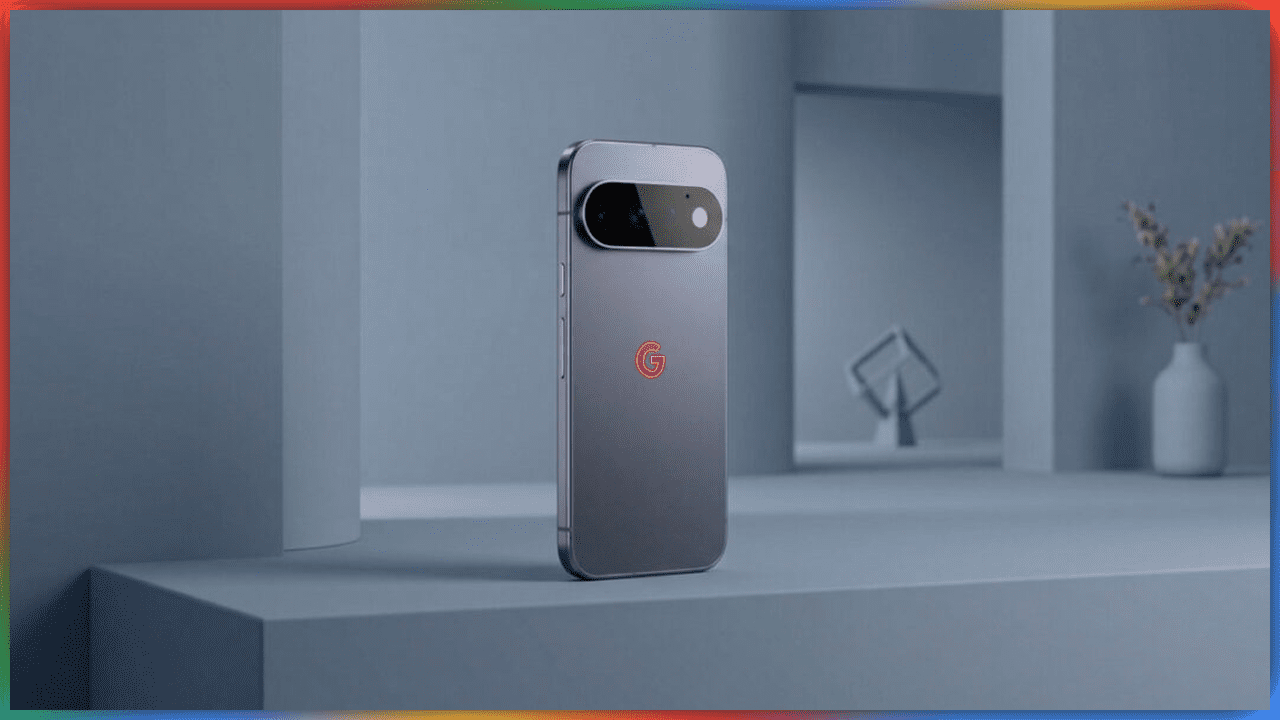
Google’s upcoming Pixel Glow feature, uncovered in recent Android 17 Beta builds, could signal a major shift in how users interact with their devices introducing subtle, hardware-based lighting to deliver notifications and real-time feedback without requiring screen interaction. The discovery, found within Android 17 Beta 4 and Canary releases, also points to a broader expansion of Google’s hardware ambitions, including the possible development of a new Pixel-branded laptop.
While still unannounced, the feature has surfaced through code-level insights, suggesting Google is experimenting with ambient visual cues embedded directly into device hardware. If implemented, Pixel Glow could debut in future Pixel smartphones and extend to other form factors, redefining both functionality and design language across Google’s ecosystem.
Also read: Google Launches AI-Powered Shopping Upgrades in India Across Gemini, Search, and Circle to Search
A Subtle Shift: What Pixel Glow Does
Pixel Glow is described as a hardware-driven lighting system that emits soft colors and light patterns on the back of a device. Its primary purpose is to keep users informed without interrupting their current activity especially when the phone is placed face down.
The feature is designed to provide contextual alerts for specific interactions. For instance, it can illuminate when a selected contact calls or when users are actively engaging with Google’s Gemini assistant. This introduces a new layer of passive interaction, allowing users to stay connected without constantly checking their screens.
Unlike traditional notification LEDs or camera flash alerts, Pixel Glow appears to be more nuanced and customizable. Users will reportedly be able to toggle individual triggers, tailoring the experience to their preferences. However, early settings also include warnings for those sensitive to light, indicating that accessibility considerations are part of its development.
Hardware Implications and Design Questions
The presence of Pixel Glow implies dedicated hardware components something that goes beyond software-only enhancements. This raises key questions about where and how the lighting system would be integrated into future devices.
Speculation suggests several possible placements, including beneath the camera bar a signature design element of Pixel phones or integrated into the iconic “G” logo on the back. However, early renders of upcoming Pixel devices have not clearly revealed such hardware, leaving room for uncertainty.
The introduction of embedded lighting could mark one of the most noticeable visual changes in Pixel hardware in years. If executed effectively, it may serve both functional and aesthetic purposes, making devices instantly recognizable while enhancing usability.
Expansion Beyond Phones: Pixel Laptop Hints
References within Android system files indicate that Pixel Glow is not limited to smartphones. Mentions of desktop device compatibility, along with icons related to laptop lighting, suggest Google is exploring its use in a broader device ecosystem including a potential Pixel laptop.
This aligns with signs that Google may be preparing a return to the laptop market under its Pixel branding. Earlier devices like the Pixelbook and Pixelbook Go established a presence in premium Chromebooks, but the company has remained largely absent from the category in recent years.
A new Pixel laptop featuring integrated lighting could leverage Pixel Glow for visual feedback during tasks such as voice interactions with Gemini, notifications, or system alerts bringing consistency across devices.
Why This Matters
Pixel Glow reflects a growing trend toward ambient computing where technology fades into the background while remaining responsive and informative. Instead of demanding attention through screens and sounds, devices communicate subtly through light and context-aware signals.
This approach could reduce screen dependency, improve multitasking, and enhance accessibility for users who prefer non-intrusive notifications. It also aligns with Google’s broader push toward AI-driven experiences, where assistants like Gemini play a central role in everyday interactions.
If successful, Pixel Glow could differentiate Pixel devices in a crowded smartphone market, offering a unique blend of hardware and software integration that competitors may struggle to replicate quickly.
Industry / Market Impact
The introduction of a hardware-based lighting system could influence smartphone design trends across the industry. While some brands have experimented with LED lighting in the past, Google’s ecosystem-wide approach spanning phones and potentially laptops adds a new dimension.
By tying Pixel Glow to AI interactions and personalized notifications, Google is positioning it as more than a cosmetic feature. It becomes part of a broader user experience strategy, potentially setting a precedent for how devices communicate passively.
Competitors may respond by enhancing their own notification systems or exploring similar ambient technologies. However, Google’s control over both hardware and software gives it an advantage in creating tightly integrated experiences.
What Happens Next
Despite strong indications from Android 17 Beta builds, Pixel Glow remains an unconfirmed feature. Code-level discoveries do not guarantee release, and Google has a history of experimenting with concepts that never reach consumers.
If the feature is indeed tied to Android 17, it could debut alongside the next generation of Pixel smartphones, possibly in 2026. However, the lack of visible hardware in early device leaks suggests it may still be in development or reserved for later iterations.
Further updates in upcoming Android betas and official announcements from Google will likely provide clearer answers. For now, Pixel Glow stands as a promising glimpse into the future of device interaction one where light replaces distraction, and technology communicates more intuitively than ever before.