
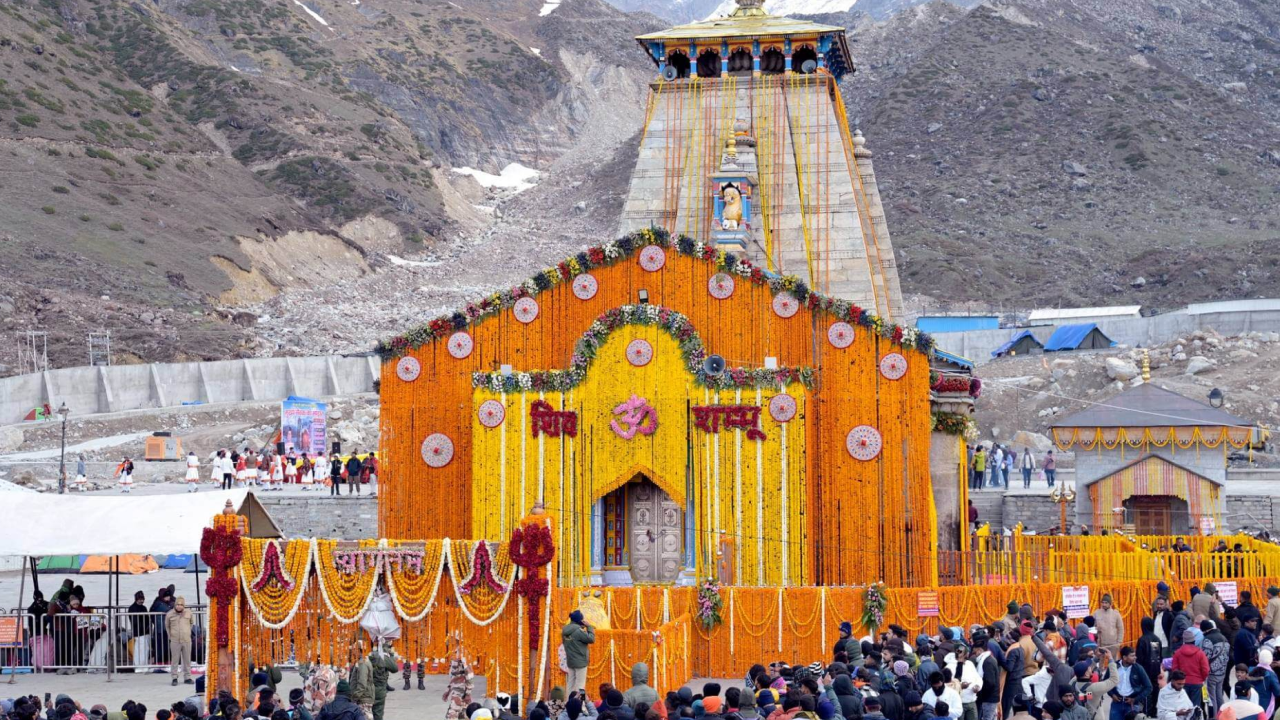
The reopening of Kedarnath Temple on April 22 has marked a significant moment in the 2026 Char Dham Yatra, but this year’s pilgrimage has begun under tighter regulations, including a complete ban on mobile phones, videography, and drones within the temple premises. As thousands of devotees arrived at the Himalayan shrine despite freezing temperatures and fresh snowfall authorities enforced new measures aimed at preserving the sanctity of one of India’s most revered religious sites.
The Char Dham Yatra officially commenced on April 19, coinciding with Akshaya Tritiya, with the opening of Gangotri and Yamunotri temples. Kedarnath followed on April 22, while Badrinath is scheduled to open shortly after. The annual pilgrimage draws lakhs of devotees each year, and officials expect particularly high footfall this season, prompting enhanced security and crowd management strategies.
Located in Uttarakhand’s Rudraprayag district, Kedarnath has been blanketed in snow, with temperatures hovering near freezing. Despite the harsh weather, pilgrims have been steadily making their way to the shrine, filling the air with chants as the temple reopened after a six-month winter closure.
Also read: Uttarakhand High Court Initiates PIL Over Alleged Irregularities at Kainchi Dham Temple
Strict Ban on Phones, Cameras, and Drones
In a major shift from previous years, authorities have implemented a zero-tolerance policy on electronic devices within the temple perimeter. Devotees are not allowed to carry mobile phones inside, effectively prohibiting photography, videography, and the creation of social media content such as reels.
Officials said the decision was taken to maintain the spiritual atmosphere and ensure smoother movement within the temple complex. In recent years, large crowds pausing to capture photos and videos had led to congestion and disruptions during darshan.
Rudraprayag Superintendent of Police Niharika Tomar confirmed that making reels or any form of videography in the temple courtyard is strictly prohibited. She added that drones are also banned unless prior permission is obtained, noting that action has already been taken against unauthorized drone activity.
Temple authorities have set up designated mobile counters and locker facilities where pilgrims can safely deposit their devices before entering the premises. Violators of the new rules may face legal consequences, underscoring the administration’s intent to strictly enforce the guidelines.
Safety Advisory Amid Harsh Weather Conditions
Alongside the new restrictions, officials have issued safety advisories due to heavy snowfall recorded in recent months, including unusually high levels during March and April. The terrain remains challenging, and certain routes may be unsafe for travel.
Authorities have urged pilgrims to exercise caution, wear heavy woollens, and adhere to designated paths. The district administration emphasized that while the scenic snow-covered landscape is drawing excitement among visitors, safety must remain a priority.
Why This Matters
The decision to ban mobile phones and videography reflects a broader effort to restore the spiritual integrity of Kedarnath Temple, which has increasingly faced the pressures of mass tourism and digital culture. The rise of social media has led to a surge in visitors capturing and sharing their experiences online, sometimes at the cost of disrupting religious practices and crowd flow.
By limiting digital distractions, authorities aim to refocus the pilgrimage experience on devotion and contemplation. The move also aligns with growing concerns about overcrowding and the need for better crowd discipline at major religious destinations across India.
Public reaction to the ban has been largely positive, particularly on social media platforms where many users have praised the initiative as a necessary step toward preserving the temple’s sanctity.
What Happens Next
With the yatra season just beginning, authorities are preparing for a steady influx of pilgrims in the coming weeks. Enhanced security arrangements, crowd management systems, and monitoring mechanisms are expected to remain in place throughout the pilgrimage period.
Officials have appealed to devotees to cooperate with the rules and follow all guidelines to ensure a safe and smooth journey. The administration is also likely to closely monitor the impact of the new restrictions, which could influence similar policies at other major pilgrimage sites in the future.
As the chants of “Kedar Baba Ki Jai” echo once again through the snow-clad mountains, Kedarnath’s reopening signals not just the return of a sacred tradition, but also a shift toward more regulated and mindful pilgrimage practices.