
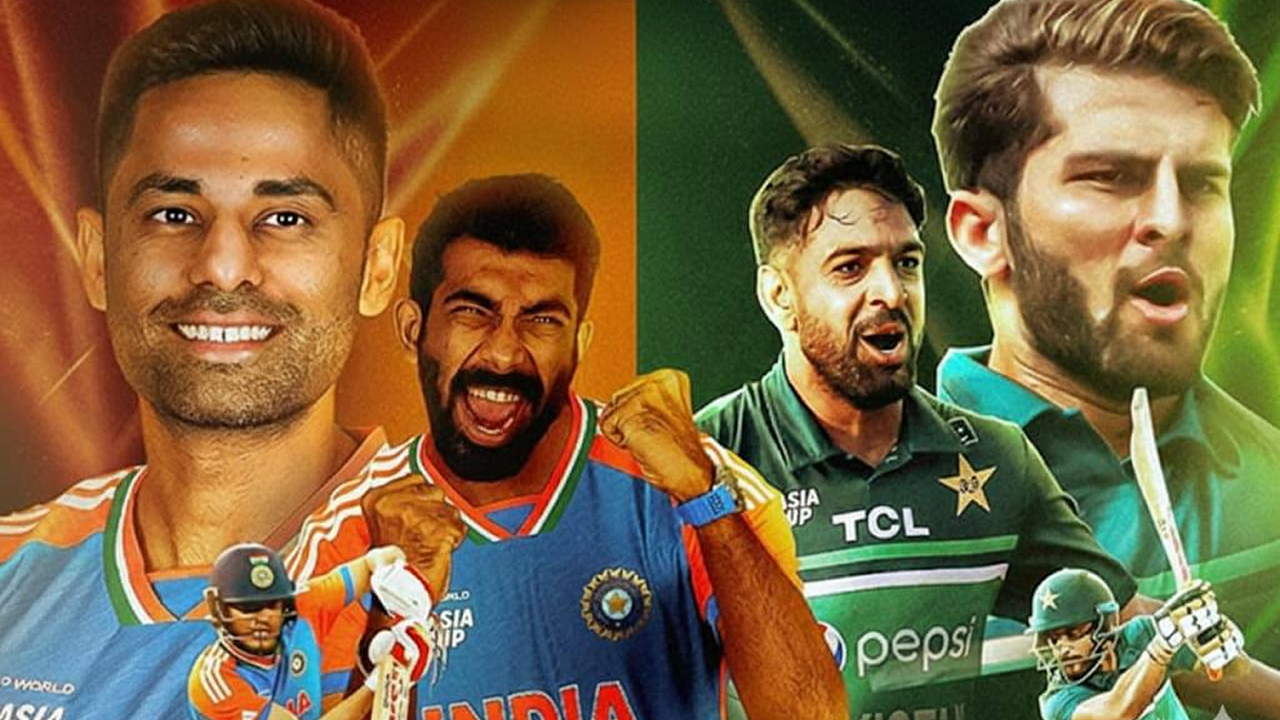
Pakistan’s decision to boycott its group-stage match against India in the ICC Men’s T20 World Cup has reignited concerns about the future of one of the most intense rivalries in sports. Scheduled for 15 February at the R. Premadasa Stadium in Sri Lanka, the match will now not take place as Pakistan will face all other tournament opponents except India, reportedly following a government directive citing political tensions.
The move has drawn sharp criticism from Indian leaders. Congress MP Shashi Tharoor described the boycott as “pretty disgraceful,” condemning the politicization of cricket. Speaking to reporters during the Budget Session, Tharoor stressed that sports should serve as a bridge between nations rather than a stage for political statements.
“This is now spiraling out of control,” Tharoor said. “The ICC could serve as a platform to resolve this and ensure that cricket, which is so meaningful to millions, remains a unifying force.”
Also read: ICC T20 World Cup accreditation issue clarified after claims by Bangladesh journalists
Political Tensions Affecting Cricket
India-Pakistan cricket encounters have long been affected by diplomatic relations. Since 2007, there have been no bilateral series due to political conflicts and security concerns. The two sides now meet only in ICC tournaments or Asia Cups, keeping the rivalry alive but limited.
Historically, the first India-Pakistan cricket series took place in 1952 when Pakistan toured India. Over the decades, wars and terror attacks, including the 1965 and 1971 conflicts, the 1999 Kargil War, and the 2008 Mumbai attacks, repeatedly disrupted cricketing ties. Pakistan’s last full tour of India occurred in 2007, after which India suspended all series following the Mumbai attacks.
A Rivalry of Global Magnitude
The India-Pakistan cricket rivalry is among the most-watched sporting events worldwide. In the 2025 Women’s ODI World Cup, their group-stage match drew 28.4 million viewers, setting a record for women’s international cricket. A 2023 CNN report described the fixture as “five times bigger than the Super Bowl,” with viewership potentially exceeding 500 million due to fan passion and the scarcity of encounters.
The two nations have faced each other 211 times, with Pakistan winning 88 and India 80. While Pakistan has historically performed better in Tests and ODIs, India leads in T20 Internationals and dominates in ICC World Cup encounters, winning 15 of the 16 matches against Pakistan.
Controversies on and off the Field
Recent matches have seen heightened tensions and disciplinary actions. Pakistani pacer Haris Rauf and Indian captain Suryakumar Yadav were fined 30% of their match fees during the Asia Cup for on-field conduct, while other players received warnings. Post-match interactions, such as handshakes, have also sparked debate, reflecting the broader strain between the nations.
Politicians in India have voiced criticism as well. Shiv Sena (UBT) MP Priyanka Chaturvedi described Pakistan’s boycott as a “slap on the face” of India’s Sports Ministry, calling for stronger stances from cricket authorities.
ICC Response and Implications
The International Cricket Council (ICC) acknowledged Pakistan’s government role in the decision but emphasized that such actions are not in the interest of global cricket or fans worldwide. The ICC urged the Pakistan Cricket Board (PCB) to consider the long-term consequences for cricket in Pakistan and internationally.
The Board of Control for Cricket in India (BCCI) has not issued a formal statement, pending discussions with the ICC. BCCI vice president Rajeev Shukla confirmed that the board aligns with the ICC’s call for sportsmanship and will respond after consultations.
Also read: India to Play South Africa in Pre-T20 World Cup Warm-Up on February 4: Full Schedule Released
The Future of the Rivalry
As political considerations increasingly influence cricket, questions loom over the continuation of the India-Pakistan rivalry, once hailed as the “mother of all sports rivalries.” Tharoor warned that unless dialogue is initiated at a high level, cricket risks being sidelined by politics, depriving millions of fans of one of the sport’s most iconic fixtures.
“Cricket should bring people together, at least on the playing field,” Tharoor said. “This is a wake-up call for all concerned to step in and prevent this nonsense from continuing.”