
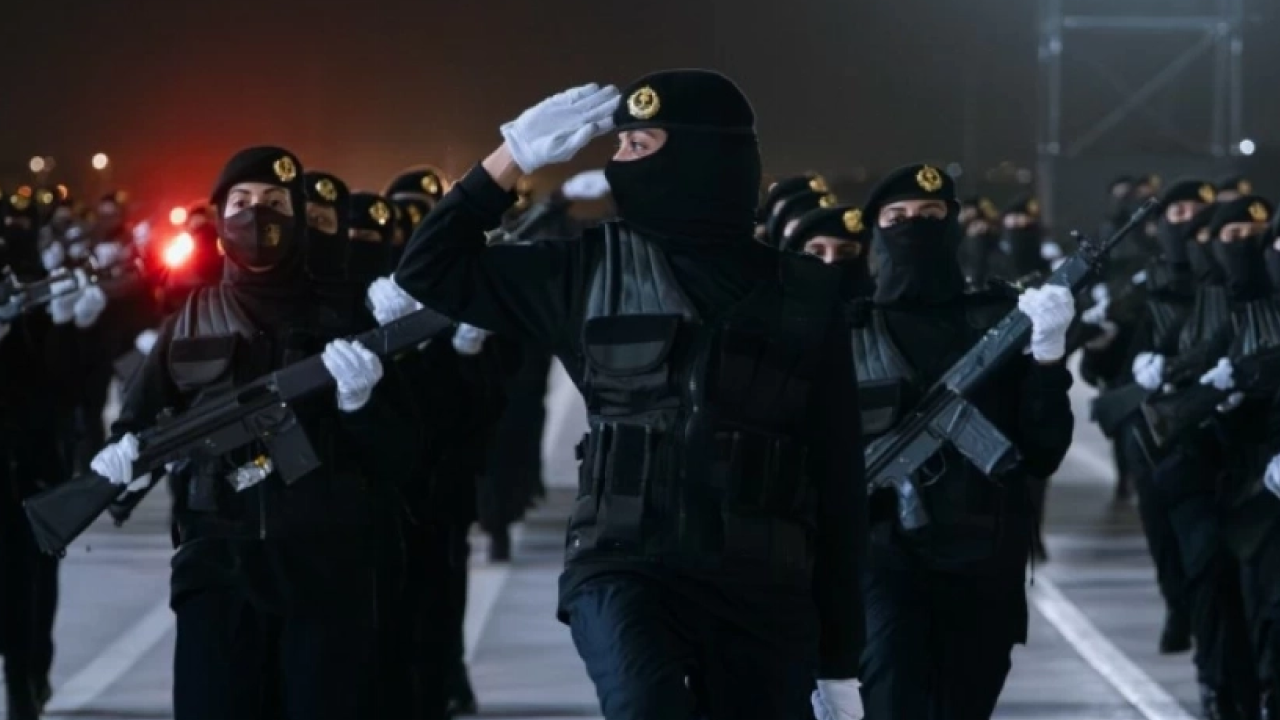
Saudi Arabia female security recruits took a significant step forward in the Kingdom’s evolving security landscape as the Ministry of Interior graduated 328 women from its latest basic training program. The ceremony, held under the patronage of Interior Minister Prince Abdulaziz bin Saud bin Naif, marked the completion of the eighth cohort of the Basic Individual Qualification Course and underscored Saudi Arabia’s expanding inclusion of women in frontline security roles as part of broader national reforms.
The graduation event was attended by senior security officials, including Director of Public Security Lt. Gen. Mohammed Al-Bassami, and featured formal drills demonstrating the recruits’ readiness to serve across multiple public security sectors. The milestone reflects ongoing efforts to modernize the Kingdom’s security apparatus while aligning with Vision 2030 goals aimed at broadening women’s participation in public service.
Comprehensive training for female security personnel
The newly graduated recruits completed an intensive training program combining theoretical instruction with hands-on operational preparation. The curriculum was designed to equip participants with the professional skills required for modern security duties.
Training areas included security laws and operational protocols, physical fitness and discipline, and tactical exercises tailored to public security assignments. The program emphasized professionalism, readiness, and effectiveness to ensure graduates are prepared to carry out their responsibilities within Saudi Arabia’s security framework.
Expanding roles for women in Saudi security services
The graduation highlights a wider shift in Saudi Arabia toward integrating women into sectors traditionally dominated by men. Over the past decade, national policies have gradually opened opportunities for women in policing, armed forces recruitment, and specialized security units.
Women were first allowed to join select security and military roles in the late 2010s. Since then, the Ministry of Interior’s Women’s Training Institute has become a central platform for developing female security professionals, producing successive cohorts assigned to diverse operational areas.
Areas of deployment for female security graduates
Previous batches of female recruits have been deployed across multiple security divisions, reflecting the growing scope of women’s roles within the Ministry of Interior.
These assignments include public security patrols, special security services, border and passport control, and diplomatic as well as Hajj and Umrah security units. The range of responsibilities illustrates how women are increasingly integrated into core national security operations.
Social reforms and Vision 2030 context
Saudi Arabia’s inclusion of women in security services forms part of wider social and economic reforms introduced under Vision 2030. The initiative seeks to increase workforce participation, diversify national institutions, and modernize public sector operations.
The move also mirrors global trends, where countries are expanding female representation in uniformed services to enhance operational diversity and strengthen engagement with communities.
Broader impact on Saudi society
The graduation of 328 female security personnel is expected to strengthen public security capacity while signaling new professional pathways for Saudi women. Increased female representation in security roles may enhance community-focused operations and inspire future generations to pursue careers in national service.
As women become more visible in enforcement and protection roles, the development reflects a broader cultural shift within the Kingdom. The latest cohort from the Women’s Training Institute stands as a milestone in Saudi Arabia’s continued efforts to build inclusive, capable, and modern security institutions.