
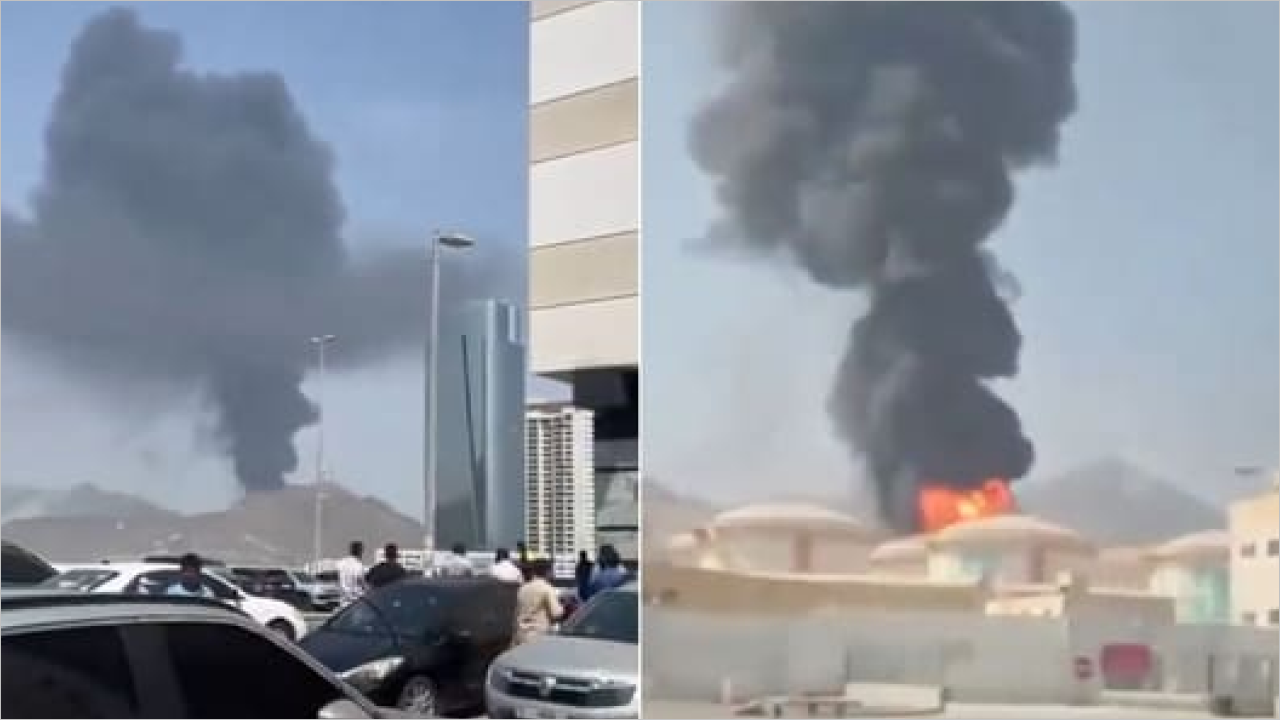
A fire broke out at a prominent oil storage facility in Fujairah, United Arab Emirates (UAE), on Tuesday, following a drone interception amid ongoing hostilities in the Middle East. The incident occurred as regional tensions escalated, particularly between the U.S. and Iran, with Iranian drones targeting critical energy infrastructure.
Incident Overview
The fire, which erupted at the Fujairah Oil Industry Zone (FOIZ) around 11:00 AM local time, was caused by debris from a drone that was successfully intercepted by UAE air defense systems. Video footage circulating on social media shows thick plumes of smoke rising from the oil storage terminal, a key hub for UAE’s energy exports. Despite the alarming visuals, authorities quickly reassured the public that the fire had been brought under control with no casualties reported. Operations in the area resumed shortly after.
“The fire was a result of falling debris following the interception of a drone,” the Fujairah media office confirmed in a statement. “There were no injuries, and normal operations have resumed in the area.” UAE officials also urged citizens to rely on official sources for information, cautioning against the spread of unverified reports.
A Wider Regional Crisis
The Fujairah fire is the latest in a series of escalating attacks on energy infrastructure in the Middle East. In recent days, Iranian drones and missiles have targeted key oil and gas facilities across the Gulf states, including Saudi Arabia and Qatar, exacerbating tensions in the region. The attacks are seen as part of Iran’s broader strategy to disrupt energy flows and target critical infrastructure, including the vital Strait of Hormuz, a global chokepoint for oil shipments.
On Monday, two major drone strikes targeted Qatari LNG facilities, forcing QatarEnergy to halt production temporarily. Additionally, the port of Duqm in Oman was struck, with a fuel tank hit in a separate drone attack, further illustrating the expanding scope of Iranian aggression against regional energy hubs. The frequency of these assaults has sent shockwaves through the global energy market, pushing European energy prices to new highs.
Also read: Trump Threatens ‘Unprecedented Force’ as U.S.–Israel Offensive Kills Iran’s Supreme Leader
Why This Matters
The attacks on oil infrastructure in the Gulf have far-reaching implications for both the regional security environment and the global energy market. Fujairah, which houses one of the UAE’s largest oil storage terminals, plays a crucial role in facilitating the transit of crude oil through the Strait of Hormuz. Any disruption here has the potential to disrupt supply chains and escalate the already volatile energy prices worldwide.
Iran’s targeting of energy hubs, such as Fujairah and Ras Tanura in Saudi Arabia, signals a calculated effort to weaken the region’s economic stability and undermine international confidence in the security of energy transit routes. These strategic locations are pivotal not only for Gulf nations but also for global oil markets, as they serve as key export points for energy-rich countries in the Middle East.
Industry Impact
The recent drone strikes are part of a larger trend of escalating cyber and physical attacks aimed at crippling the region’s energy infrastructure. Industry experts warn that continued disruptions could lead to more severe price volatility and heightened uncertainty for energy consumers worldwide. The Middle East’s oil and gas sector, already under pressure due to shifting geopolitical dynamics, now faces the additional challenge of defending critical assets against increasingly sophisticated drone and missile strikes.
Moreover, as oil prices spike, energy-dependent industries in Europe and beyond may experience higher operational costs, which could trickle down to consumers. The heightened security risks in the region are also expected to drive oil companies to reconsider their investments in vulnerable facilities, potentially prompting a shift in global energy production and supply strategies.
What Happens Next?
As regional tensions continue to rise, it remains uncertain how long these attacks on energy infrastructure will persist. Analysts suggest that the situation could further deteriorate if Iran continues to target oil terminals and other critical facilities in the Gulf. There is also growing concern that the attacks may provoke stronger retaliatory measures from the U.S. and its allies, potentially escalating into a broader military conflict in the region.
The international community, including the United Nations and energy organizations, may take further diplomatic action to address the security threats facing Gulf energy infrastructure. In the meantime, nations like the UAE, Saudi Arabia, and Oman will likely bolster their defense capabilities to protect their key assets, while global energy markets will continue to face turbulence.
Timeline of Events
- Monday: Drone strikes hit two sites of QatarEnergy, temporarily halting LNG production.
- Tuesday, 11:00 AM local time: A drone intercepted by UAE air defense systems causes a fire at Fujairah Oil Industry Zone, triggering plumes of smoke seen from nearby areas.
- Ongoing: Regional tensions remain high, with multiple Gulf states bracing for further attacks on their energy infrastructure.