
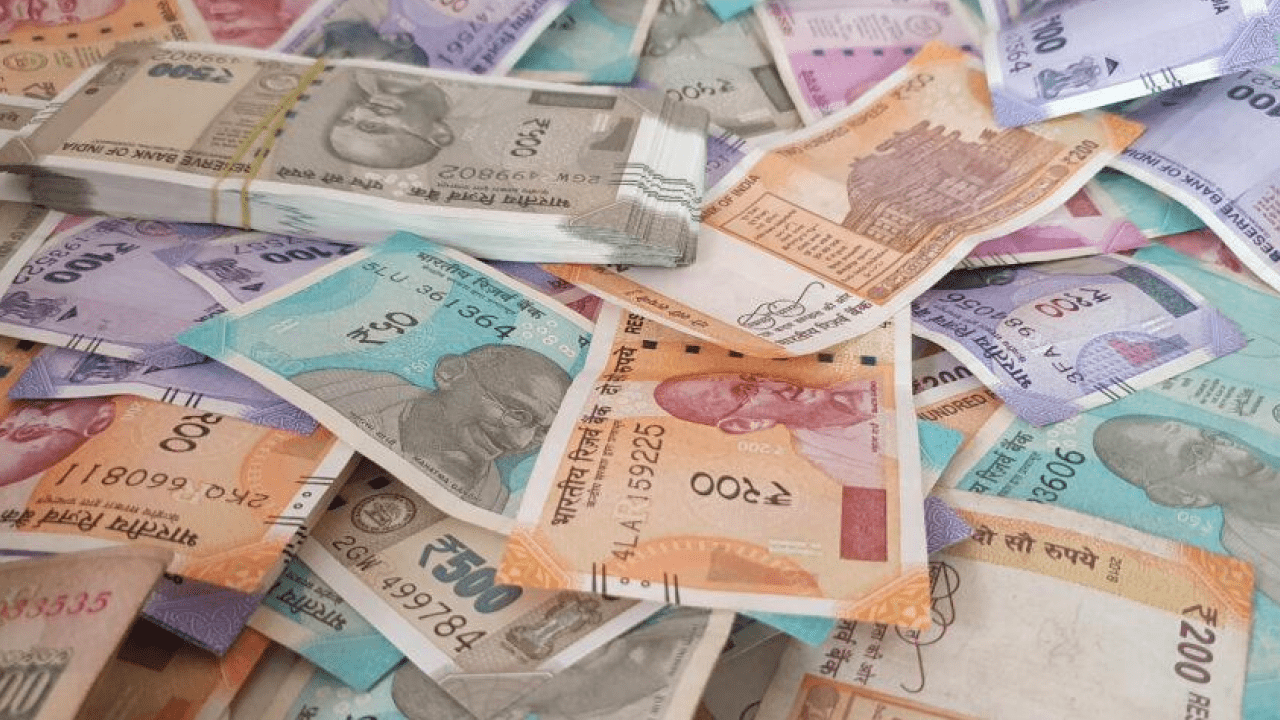
The Indian rupee has hit an all-time low, surpassing the critical 92-per-dollar mark for the first time ever, following a sharp surge in crude oil prices triggered by the escalating conflict in the Middle East. The currency dropped as much as 0.8% on Wednesday, reaching 92.30 against the US dollar, a dramatic fall that has left markets on edge. This marks a stark contrast to the rupee’s previous record low of 91.9875, reached earlier in the year. Experts and economists are now questioning how long the Indian economy can withstand this volatility, as geopolitical tensions threaten to worsen inflationary pressures, widen the current account deficit, and undermine investor confidence.
Surge in Oil Prices Amplifies Economic Risks
The immediate catalyst for the rupee’s tumble has been the surge in global oil prices, particularly Brent crude, which spiked by more than 13% following the outbreak of war between the US, Israel, and Iran. The commodity’s price has crossed $82 per barrel, its highest level since 2020. With India relying heavily on oil imports over 80% of its crude oil needs are met through imports any increase in oil prices directly impacts the nation’s import bill, exacerbating the current account deficit. This has led to growing fears that the weaker rupee will fuel inflation, making everyday goods and services more expensive for Indian consumers.
Economists estimate that every $1 increase in oil prices could raise India’s import bill by approximately ₹16,000 crore, creating a substantial drag on the country’s economy. According to Dhiraj Nim, a forex strategist at the Australia & New Zealand Banking Group, “Higher crude is a direct risk to the rupee.” The Reserve Bank of India (RBI) has reportedly intervened by selling dollars to curb the rupee’s fall, but analysts remain concerned that sustained geopolitical tensions could push the rupee past 93 per dollar in the coming weeks.
Also read: Fire at Fujairah Oil Storage in UAE Amid Rising Tensions in Middle East
Impact on India’s Foreign Investment and Growth Outlook
Along with the surge in oil prices, the widening Middle East conflict is also raising concerns about capital outflows. Foreign institutional investors (FIIs) have started pulling funds out of Indian markets, further depressing the rupee and raising alarms over potential losses in equities. The sell-off on Wednesday saw India’s benchmark indices, the Sensex and Nifty 50, lose substantial ground, with the Sensex plunging nearly 1,800 points. These developments have left investors scrambling to reassess their positions, as the combination of a weakening currency and increasing inflationary pressures dampens corporate profitability.
“The broader trend for the rupee has been clearly on the weaker side,” said Tanay Dalal, senior vice president for business and economic research at Axis Bank. “The RBI would need to continue smoothing INR weakness to avoid second-round volatility effects,” he added. This situation is compounded by a rise in India’s 10-year government bond yield, which recently spiked to around 6.72%, complicating the RBI’s efforts to keep borrowing costs stable.
Moreover, India’s trade and economic activities are heavily intertwined with the Middle East, particularly through remittances from the large Indian diaspora working in the region. As tensions rise, analysts at Kotak Mahindra Bank have expressed concerns that an extended conflict could disrupt these crucial capital flows, further exacerbating India’s economic outlook.
What Happens Next? A Fragile Economic Balance
As the geopolitical situation in the Middle East remains volatile, India faces a precarious economic balance. The rupee’s decline is a reflection of the broader instability in the global markets, with rising oil prices threatening to undo recent progress in containing inflation. Should the conflict persist, economists predict that India’s macroeconomic fundamentals will come under increasing pressure, resulting in a larger current account deficit, further depreciation of the rupee, and slower economic growth.
At present, the Indian government is closely monitoring the situation. On Tuesday, the Ministry of External Affairs (MEA) voiced concerns about the conflict’s impact on India, underscoring that any major disruption in the Gulf region could have serious economic consequences for the country. This includes disruptions to trade routes, energy supplies, and the livelihoods of millions of Indians working abroad.
Key Figures and Data
- Oil Price Surge: Brent crude prices rose more than 13% since the onset of the Middle East conflict.
- Rupee Decline: The Indian rupee fell to 92.30 per dollar, surpassing the previous record low of 91.9875 earlier this year.
- India’s Oil Import Bill: Every $1 increase in oil prices raises India’s import bill by ₹16,000 crore.
- Market Reaction: The Sensex dropped nearly 1,800 points, and the Nifty 50 lost over 550 points in a single trading session.
- Bond Yields: The yield on India’s 10-year government bond rose to 6.72%.
Conclusion
As the Middle East conflict intensifies, the Indian economy faces a precarious period of heightened risk and uncertainty. The soaring oil prices, a weaker rupee, and potential disruptions to capital flows and remittances from the Gulf region all contribute to a bleak short-term economic outlook. While the RBI’s interventions may provide some stability, the broader economic consequences could be far-reaching, and it remains to be seen how India’s markets and currency will weather the storm.