
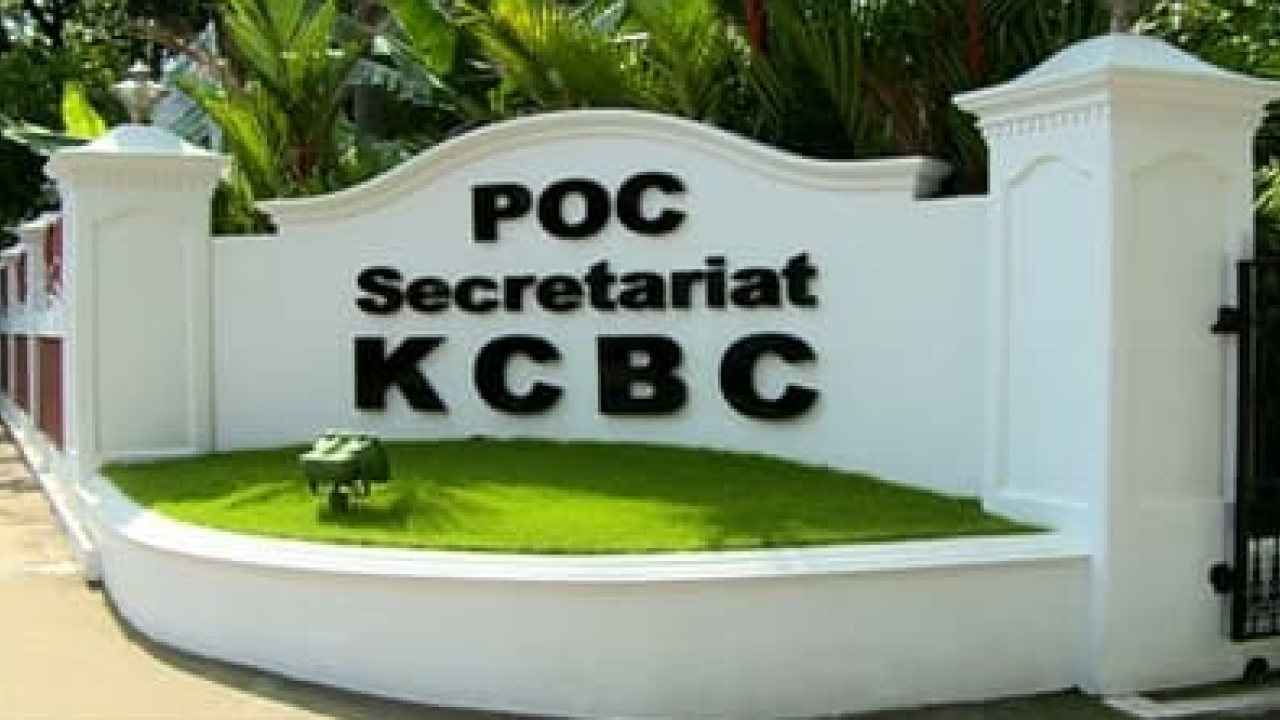
A major church body in Kerala has publicly criticised the state government over what it describes as a growing alcohol and drug crisis, warning that rising liquor outlets and the spread of narcotics among students are posing a serious threat to families and young people.
The Kerala Catholic Bishops Conference (KCBC), an influential body representing the Catholic Church in the state, issued a circular on Sunday condemning what it sees as insufficient action by authorities to curb alcoholism and drug abuse. The message, released through the KCBC Temperance Commission, was read out in churches across the state during services as part of observances marking Anti-Liquor and Anti-Drug Day.
In the circular, Bishop Ambrose Puthenveettil, chairman of the commission, said church-led campaigns against addiction are currently active across 32 Catholic dioceses in Kerala. However, he argued that these efforts are being undermined by the continued expansion of alcohol outlets and the rapid spread of synthetic narcotics.
According to the church body, earlier assurances by authorities to reduce alcohol availability have not translated into meaningful change. Instead, the number of bars, beverage outlets and toddy shops across the state has grown significantly, raising concerns about the social consequences of increased accessibility to alcohol.
At the same time, the KCBC warned that narcotic drugs such as MDMA and hybrid cannabis are increasingly circulating in communities and educational institutions, creating a new layer of risk for younger generations.
Rising Concern Over Drug Use in Schools
One of the most alarming claims highlighted in the circular relates to the spread of drugs among students. Government assessments cited by the commission indicate that around 1,400 schools in Kerala have become hotspots for drug-related activity.
The church body warned that criminal networks involved in narcotics trafficking are targeting young people, including minors. It urged parents to remain vigilant and actively monitor their children’s social circles and habits.
The circular argued that the infiltration of drugs into school environments could have long-term consequences for society if not addressed urgently. It stressed that addiction among adolescents not only affects their health and education but also places families and communities under severe strain.
The KCBC also linked substance abuse to broader social problems, including violent incidents and family breakdowns. It said recent cases of murder, domestic conflict and other serious crimes reflect the growing impact of addiction on society.
Social Impact of Alcohol and Drug Abuse
The circular paints a stark picture of how substance abuse is affecting family life across the state. According to the commission, alcohol and drugs have begun to deeply penetrate homes and communities, leading to hidden suffering within families.
It warned that addiction is increasingly driving conflicts within households, often resulting in emotional distress and violence. The message describes families struggling silently as relationships deteriorate under the weight of alcohol dependency and drug use.
The church body also highlighted the psychological toll on children who grow up in such environments, saying many are forced to live in fear due to instability and conflict at home.
By drawing attention to these social consequences, the KCBC is seeking to push the issue beyond a law-and-order debate and frame it as a broader public health and social crisis.
Why This Matters
Kerala has long faced a complicated relationship with alcohol policy. The state records one of the highest per-capita alcohol consumption levels in India, while successive governments have alternated between strict restrictions and policies aimed at regulating rather than reducing sales.
Critics, including religious groups and social activists, argue that expanding liquor availability worsens addiction and related social problems. Meanwhile, the government has often defended regulated sales through state-run outlets as a way to control illegal trade and generate revenue.
The rising concern over narcotics adds another dimension to the debate. Synthetic drugs such as MDMA and hybrid cannabis have been increasingly reported in several parts of Kerala in recent years, with law enforcement agencies carrying out multiple crackdowns.
If the trend continues, experts warn that drug networks could become entrenched among student populations, making prevention and rehabilitation far more difficult.
Church Campaign Against Addiction
The KCBC said its anti-addiction initiatives are being carried out across all 32 dioceses under its jurisdiction. These campaigns include awareness programmes, community outreach and educational activities aimed at discouraging alcohol and drug use.
Sunday’s observance of Anti-Liquor and Anti-Drug Day saw various events organised at churches throughout the state. The programmes were intended to mobilise communities and encourage collective action against substance abuse.
The commission urged church members and civil society groups to take a more active role in confronting addiction, emphasising that silence or inaction would allow the problem to grow further.
It also called for stronger collaboration between families, community organisations and authorities to protect young people from falling into addiction.
What Happens Next
The KCBC’s public criticism is likely to intensify ongoing debates in Kerala about alcohol regulation and drug control policies.
While the state government has launched multiple anti-drug campaigns and law enforcement drives in recent years, social organisations and religious groups continue to argue that more comprehensive strategies are needed.
These could include stricter monitoring around schools, expanded rehabilitation services, community awareness campaigns and policy reforms aimed at reducing the availability of addictive substances.
As concerns grow about the impact of addiction on families and young people, the issue is expected to remain a major point of discussion among policymakers, educators and community leaders in the months ahead.