
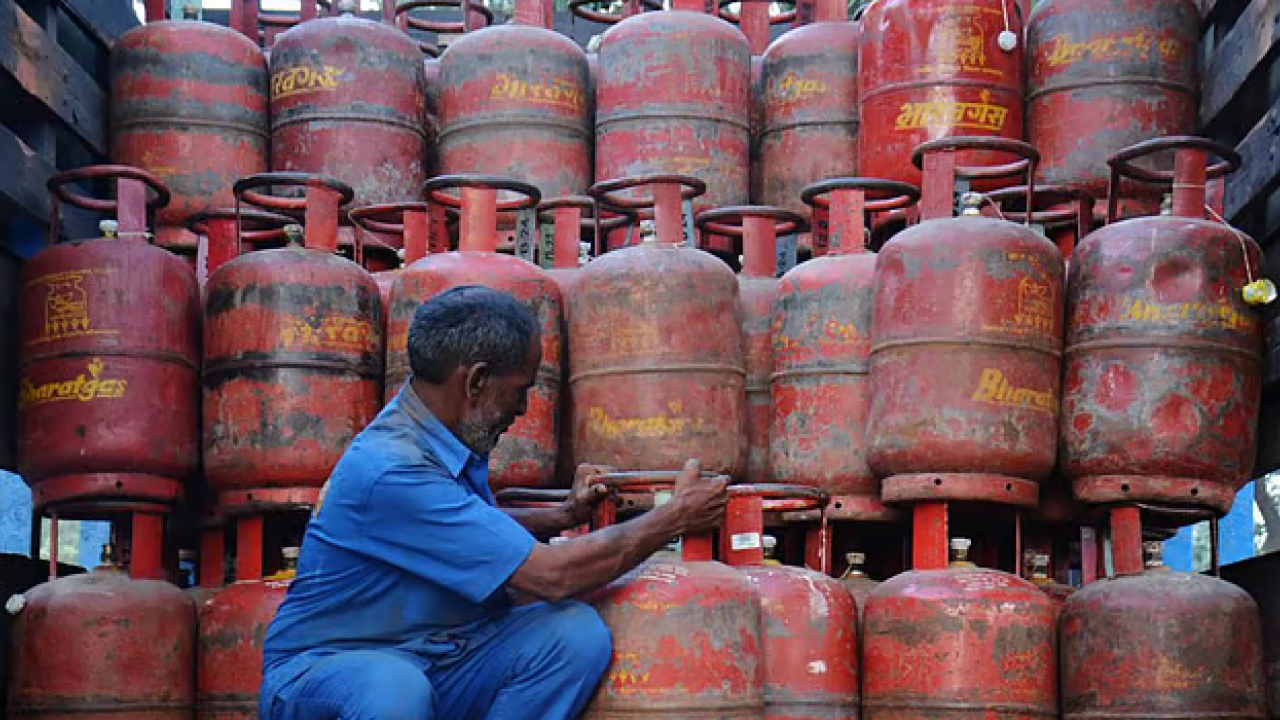
India’s restaurant industry is facing growing uncertainty after reports of a commercial LPG shortage raised fears that eateries in major cities such as Bengaluru and Chennai could be forced to suspend operations. The warning came from hotel and restaurant associations that rely heavily on commercial cooking gas, even as industry leaders clarified that operations in some cities will continue with reduced capacity rather than immediate shutdowns.
The concerns follow a recent price hike in LPG cylinders, with commercial cylinders increasing by ₹115 and domestic cylinders by ₹60 last week. The situation has been compounded by volatility in global energy markets linked to geopolitical tensions in the Middle East, raising questions about the stability of fuel supplies for businesses that depend on LPG for daily operations.
Hotel associations in Bengaluru and Chennai initially warned that a disruption in the supply of commercial LPG cylinders could force restaurants to halt services starting March 10. However, officials later clarified that supply has not completely stopped, though deliveries have been reduced, prompting restaurants to prepare contingency measures such as shorter menus and adjusted operating hours.
Also read: Fire at Fujairah Oil Storage in UAE Amid Rising Tensions in Middle East
Supply Disruptions Trigger Industry Alarm
The alarm was first raised by regional hotel associations that said commercial LPG distributors had sharply reduced or halted cylinder deliveries. The industry warned that a prolonged disruption could have immediate consequences for restaurants, catering businesses, and institutions that depend on large-scale cooking.
According to statements from restaurant bodies, many establishments rely entirely on commercial LPG cylinders to run their kitchens. Without a steady supply, operations could become unsustainable within days.
Industry groups also highlighted the broader impact on daily life. Restaurants across urban centres provide meals to a wide range of customers including students, office workers, hospital staff, and elderly residents who depend on affordable cooked food outside their homes. Hotel associations cautioned that any widespread closures could disrupt meal availability for thousands of people.
The National Restaurant Association of India (NRAI) also urged government intervention, warning that the restaurant sector is highly dependent on LPG. Any significant disruption in supply, the association said, could lead to a “catastrophic closure” of many establishments.
Bengaluru Hotels Clarify Operations Will Continue
Despite initial warnings, the Bengaluru Hotels Association later clarified that restaurants in the city are not planning an immediate shutdown.
Association president Subramanya Holla said the earlier statement had been misinterpreted and confirmed that restaurants will remain open as long as cooking gas continues to reach businesses.
According to Holla, the problem is not a complete stoppage but a reduction in commercial LPG supply, which has created scarcity in the market and in some cases led to black-market trading. Smaller restaurants have been particularly affected, as they often lack the financial flexibility to stockpile extra cylinders.
While restaurants are continuing to operate, many are preparing for the possibility of prolonged supply constraints by scaling back operations.
Restaurants Across Cities Adjust Operations
Reports of LPG supply pressure are not limited to southern India. Restaurant owners in Gurugram and Mumbai have also begun adjusting their operations in response to supply uncertainty.
Some eateries have reportedly reduced menu items that require long cooking times in order to conserve fuel. In areas of Mumbai such as Dadar, Andheri, and Matunga, restaurants have shortened working hours and eliminated slow-cooked dishes from their menus.
Restaurant managers in Gurugram said their suppliers have warned of temporary pauses in commercial LPG deliveries. Many businesses are relying on backup cylinders that could last only a few days if supply disruptions continue.
In some cases, restaurant operators are considering shifting temporarily to residential LPG cylinders or limiting kitchen operations to essential dishes.
Government Prioritizes Domestic LPG Supply
The central government has acknowledged concerns over LPG availability and announced steps to stabilize supply.
The Ministry of Petroleum and Natural Gas said oil refineries have been instructed to increase LPG production and direct additional output toward domestic consumption. Authorities have also introduced a 25-day inter-booking period for LPG refills in an effort to prevent hoarding and black-marketing.
Officials confirmed that household LPG supply remains the top priority, which has affected the availability of commercial cylinders used by restaurants and hospitality businesses.
The government has also formed a committee to review requests from the restaurant industry and assess the need for restoring commercial LPG supplies more consistently.
Global Energy Tensions Add to Pressure
The domestic supply concerns are unfolding against a backdrop of rising global energy uncertainty.
Recent tensions in the Middle East involving the United States, Israel, and Iran have unsettled oil and gas markets. The situation has heightened fears over disruptions near the Strait of Hormuz, one of the world’s most important energy shipping routes.
A significant share of global oil shipments passes through this narrow waterway, and any instability in the region can quickly influence international energy prices.
India, which imports a large portion of its LPG from Gulf countries, is particularly sensitive to such disruptions. Volatility in global supply routes or price spikes can quickly translate into higher costs and tighter supplies domestically.
Why This Matters
The restaurant and hospitality sector is a major employer and service provider in India’s urban economy. Millions of workers from kitchen staff and delivery personnel to suppliers and caterers depend on consistent restaurant operations for their livelihoods.
If commercial LPG shortages persist, the industry could face widespread operational challenges. Smaller eateries and family-run establishments would likely feel the greatest strain, as they operate on thin margins and have limited access to alternative energy sources.
Consumers could also see ripple effects, including higher food prices, reduced restaurant options, and disruptions in institutional catering services for offices, colleges, and hospitals.
What Happens Next
For now, restaurants across major cities are continuing operations while monitoring LPG availability closely.
Industry associations are pushing for a dedicated supply channel for commercial LPG users and clearer communication from distributors and oil companies.
If supply improves following government intervention and increased refinery output, the crisis may ease within weeks. However, continued volatility in global energy markets means the restaurant sector will remain vulnerable to fuel supply disruptions in the near future.