
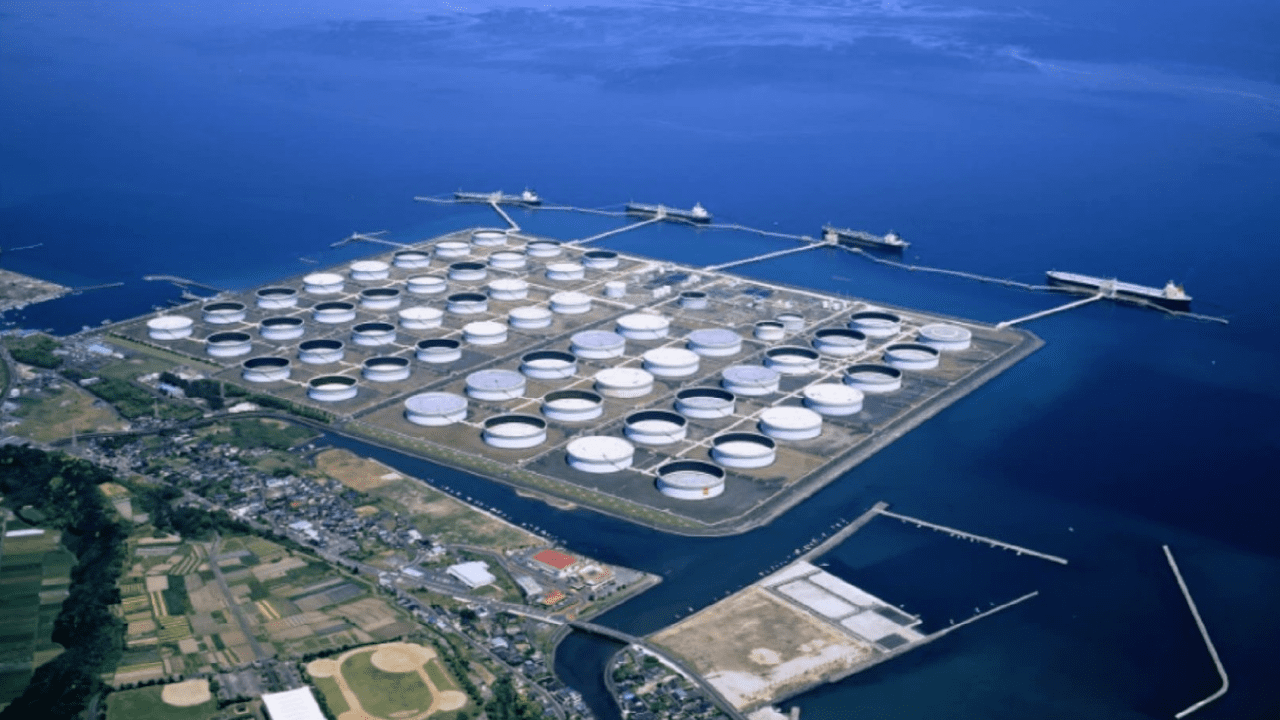
Japan is preparing to release portions of its strategic oil reserves after the escalating Iran-U.S. conflict effectively shut down the Strait of Hormuz, a critical maritime corridor through which a significant share of the world’s energy supply flows.
Japanese Prime Minister Sanae Takaichi announced that the country plans to begin releasing reserves as early as March 16, aiming to stabilize domestic fuel supply as shipping through the chokepoint remains halted. The move comes amid one of the most severe global energy disruptions since the oil shocks of the 1970s.
The crisis intensified after U.S. and Israeli strikes on Iran on February 28, triggering a continuing exchange of missile and drone attacks across the Gulf region. In response, Iran and allied forces have effectively blocked passage through the Strait of Hormuz, warning that vessels attempting to transit the narrow waterway could be targeted.
For Japan one of the world’s largest importers of crude oil the disruption threatens the stability of energy supplies that are overwhelmingly dependent on the Middle East.
According to government officials, Japan plans to release 15 days’ worth of privately held oil reserves along with one month of state-controlled stockpiles in an effort to cushion the immediate impact on domestic markets.
Background Context
The current disruption stems from escalating tensions following the February 28 U.S.-Israeli military strikes on Iran, which prompted retaliatory actions across the Gulf. Tehran and allied groups have launched attacks on regional energy infrastructure and threatened maritime shipping routes.
The Strait of Hormuz a narrow channel between Iran and Oman is one of the world’s most critical energy transit routes. Roughly one-fifth of global oil supplies typically pass through the waterway each day.
With Iran warning ships against entering the strait and regional hostilities continuing, commercial tanker traffic has largely stopped. There has been no clear indication that normal shipping will resume in the near future, raising fears of prolonged supply shortages.
Japan is particularly exposed to such disruptions. Approximately 95% of its crude oil imports come from the Middle East, and about 70% of those shipments normally pass through the Strait of Hormuz before reaching Japanese refineries.
Government Preparations
Well before the official announcement, Japanese authorities had begun quietly preparing for the possibility of tapping emergency stockpiles.
Japan’s Ministry of Economy, Trade and Industry instructed 10 national oil reserve sites to ensure they could quickly release crude if required. These facilities are operated by the Japan Energy and Metals National Corporation.
Officials emphasized that preparations were intended to guarantee a rapid response if supply conditions deteriorated further. Government representatives initially said that no final decision had been made regarding a release, but acknowledged that logistical preparations were advancing.
Japan maintains one of the world’s largest strategic petroleum reserves. According to government data cited by Japanese media, the country holds oil stockpiles equivalent to around 254 days of domestic demand, providing a significant buffer against supply shocks.
The decision to release a portion of these reserves underscores the seriousness of the current disruption and the uncertainty surrounding maritime security in the Gulf region.
Industry and Market Impact
The closure of the Strait of Hormuz has triggered anxiety across global energy markets, as the corridor is central to exports from major producers including Saudi Arabia, Kuwait, Qatar, and the United Arab Emirates.
Iran’s retaliatory strikes have targeted locations across the oil-rich Gulf, increasing fears that the conflict could further damage infrastructure or expand into a broader regional war.
Energy analysts warn that prolonged disruption could tighten global oil supply and push prices higher. Strategic reserve releases such as Japan’s planned move are designed to mitigate short-term shocks but cannot fully offset a long-lasting closure of the shipping route.
Countries heavily dependent on Gulf oil are likely to face the most immediate risks. Japan’s action may also encourage other major importers to consider similar measures to stabilize domestic fuel markets.
Also read: Fire at Fujairah Oil Storage in UAE Amid Rising Tensions in Middle East
Why This Matters
The situation represents one of the most serious threats to global energy security in decades.
Because the Strait of Hormuz handles such a large share of global petroleum shipments, even a temporary blockade can have ripple effects across international markets. Supply constraints often translate into higher fuel costs, increased inflation pressures, and potential economic slowdown in energy-dependent economies.
Japan’s decision highlights the strategic importance of maintaining large national reserves to handle geopolitical disruptions.
At the same time, the move reflects growing concern among governments that the current conflict may continue for weeks or even months if diplomatic efforts fail to de-escalate tensions.
What Happens Next
The immediate focus will be on whether shipping through the Strait of Hormuz can resume safely.
Military activity in the region remains intense, and there has been no confirmed timeline for reopening the maritime route. Until tanker traffic resumes, global markets are likely to remain volatile.
Japan’s reserve release is expected to provide temporary relief for domestic energy supply. However, energy experts say the broader impact on global markets will depend largely on how long the blockade lasts and whether other countries also begin tapping strategic reserves.
If the disruption persists, governments and energy companies may need to accelerate alternative supply routes, increase imports from non-Middle Eastern producers, or further draw down emergency stockpiles.
For now, Japan’s decision signals the seriousness with which major economies are treating the unfolding crisis and the potential for wider economic consequences if the Gulf conflict continues to escalate.