
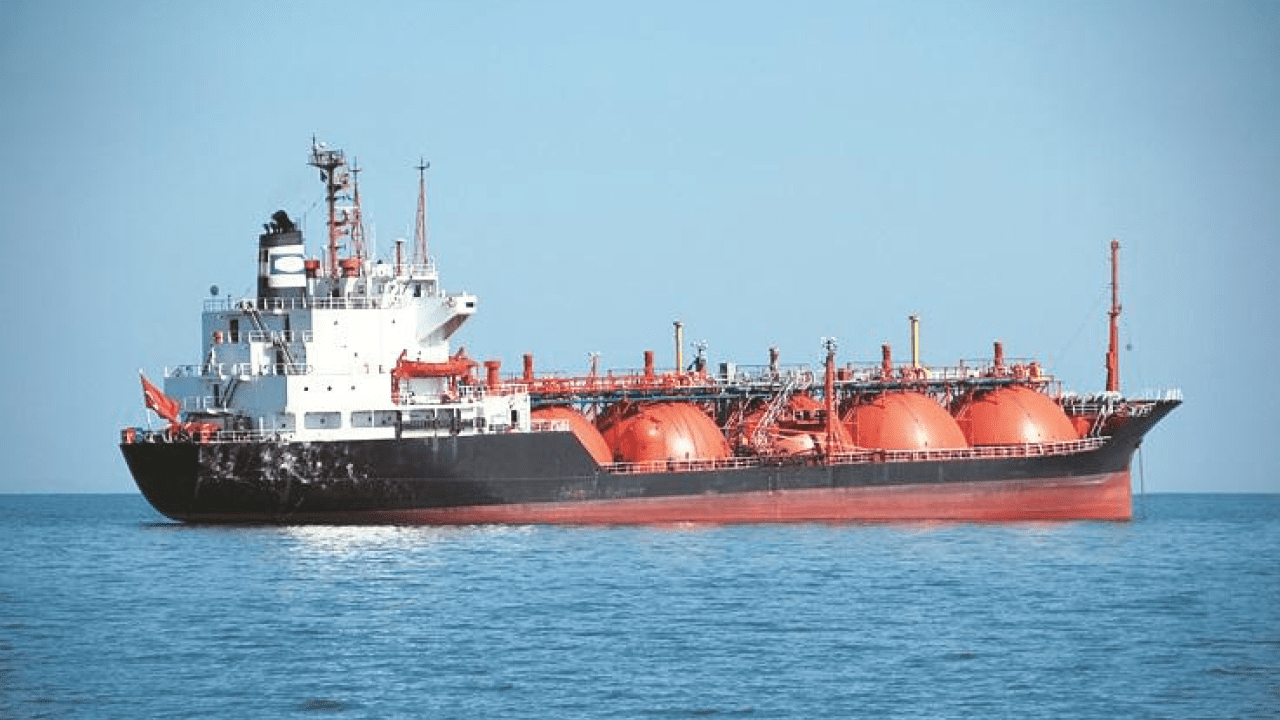
Two India-flagged oil tankers have successfully transited the strategically vital Strait of Hormuz after diplomatic engagement between New Delhi and Tehran, offering a rare breakthrough as maritime traffic through the waterway slows dramatically amid the escalating Iran–US conflict.
The vessels Pushpak and Parimal were allowed to pass through the narrow shipping corridor between Wednesday night and Thursday morning, according to people familiar with the matter. Their transit comes at a time when many ships remain stranded outside the strait due to fears of being caught in the crossfire of the military confrontation that erupted in West Asia on February 28.
The safe passage follows direct talks between India’s External Affairs Minister S. Jaishankar and Iran’s Foreign Minister Seyed Abbas Araghchi, marking a significant diplomatic effort by India to safeguard energy shipments through one of the world’s most critical oil transit routes.
The development is notable because Iran had earlier warned that any vessel attempting to cross the strait without authorization could face military action. Iran’s Islamic Revolutionary Guard Corps had also declared that the passage was effectively closed amid rising tensions involving Iran, the United States, and Israel.
Despite these warnings, the Indian tankers were permitted to continue their journey, suggesting that diplomatic channels played a key role in preventing disruption to India’s energy supply chain.
The move follows another significant transit earlier this week when a Liberian-flagged tanker carrying Saudi crude oil and captained by an Indian officer cleared the strait and successfully docked in Mumbai. It became the first India-bound vessel to pass through the waterway since hostilities intensified and maritime traffic began to stall.
While Indian vessels have received limited clearance, shipping linked to the United States, Europe, and Israel continues to face restrictions as geopolitical tensions ripple across the Gulf region.
Iranian naval officials have reinforced the country’s warning to global shipping companies. Rear Admiral Alireza Tangsiri said vessels attempting to pass through the strait must obtain Tehran’s approval, adding that ships ignoring such directives could face consequences. Iranian authorities have also claimed that two vessels were targeted after disregarding the warnings.
The Strait of Hormuz, located between Iran and Oman, remains one of the most strategically sensitive maritime chokepoints in the world.
Why the Strait of Hormuz Is Critical to Global Energy
The importance of the Strait of Hormuz extends far beyond regional politics. The narrow waterway carries more than 20 million barrels of crude oil per day, representing roughly one-fifth of global oil consumption.
A significant portion of the world’s liquefied natural gas shipments also moves through the same passage. Any disruption in this route can quickly trigger ripple effects across global energy markets, shipping insurance costs, commodity prices, and supply chains.
Even brief interruptions to the flow of oil through the strait can lead to sharp spikes in crude prices and heightened volatility in financial markets. With tensions escalating in West Asia, the stability of the shipping lane has become a central concern for governments and energy companies worldwide.
India, which imports the majority of its crude oil requirements, is particularly sensitive to disruptions in the Gulf shipping corridor. The country relies heavily on energy supplies from the Middle East, making uninterrupted maritime routes essential for economic stability and domestic fuel availability.
India’s Diplomatic Push to Protect Energy Supply
India has intensified diplomatic outreach in recent days to ensure that its energy imports remain unaffected by the unfolding conflict.
External Affairs Minister S. Jaishankar held multiple high-level conversations with international counterparts, including Russia’s Foreign Minister Sergey Lavrov and France’s Foreign Minister Jean-Noël Barrot. The discussions focused on the broader implications of the West Asia crisis for global security and energy markets.
Jaishankar also spoke with the European Union’s foreign policy chief Kaja Kallas, highlighting concerns about maintaining safe navigation through the Gulf’s crucial shipping lanes.
The call with Iranian Foreign Minister Abbas Araghchi marked their third conversation since the outbreak of hostilities, underscoring the urgency of the situation. Ensuring the safe movement of Indian tankers through the Strait of Hormuz was a key focus of the discussions.
Diplomatic sources indicated that the objective was to keep sea routes open for Indian vessels so that shipments of crude oil and liquefied petroleum gas could continue without major disruption.
Industry and Market Impact
The slowdown in maritime traffic through the Strait of Hormuz has already begun to unsettle global shipping and energy markets.
Shipping companies are reassessing risk levels in the Gulf region, with insurers reportedly increasing premiums for vessels operating near the conflict zone. Some operators have delayed voyages or rerouted ships to avoid potential military escalation.
Energy markets are also closely watching developments in the region. Any sustained disruption to oil flows could tighten global supply and drive up prices, particularly if multiple Gulf exporters face shipping constraints.
For India, the successful transit of the two tankers provides temporary relief but does not eliminate the broader risk. Continued instability in the region could still affect fuel imports, freight costs, and refinery supply chains.
What Happens Next
The situation in the Strait of Hormuz remains fluid as the Iran–US confrontation enters its second week.
Military tensions and competing claims over control of the waterway have turned the narrow channel into a geopolitical flashpoint. Iran maintains that vessels must seek permission before passing through, while the United States and its allies have historically rejected such requirements, emphasizing freedom of navigation.
If hostilities continue, more countries may be forced to engage diplomatically with Tehran to ensure the safe passage of their commercial vessels.
For now, India’s diplomatic intervention has allowed limited shipping continuity. However, global energy markets and maritime operators remain on high alert as the conflict threatens one of the most critical arteries of the world’s oil supply.