
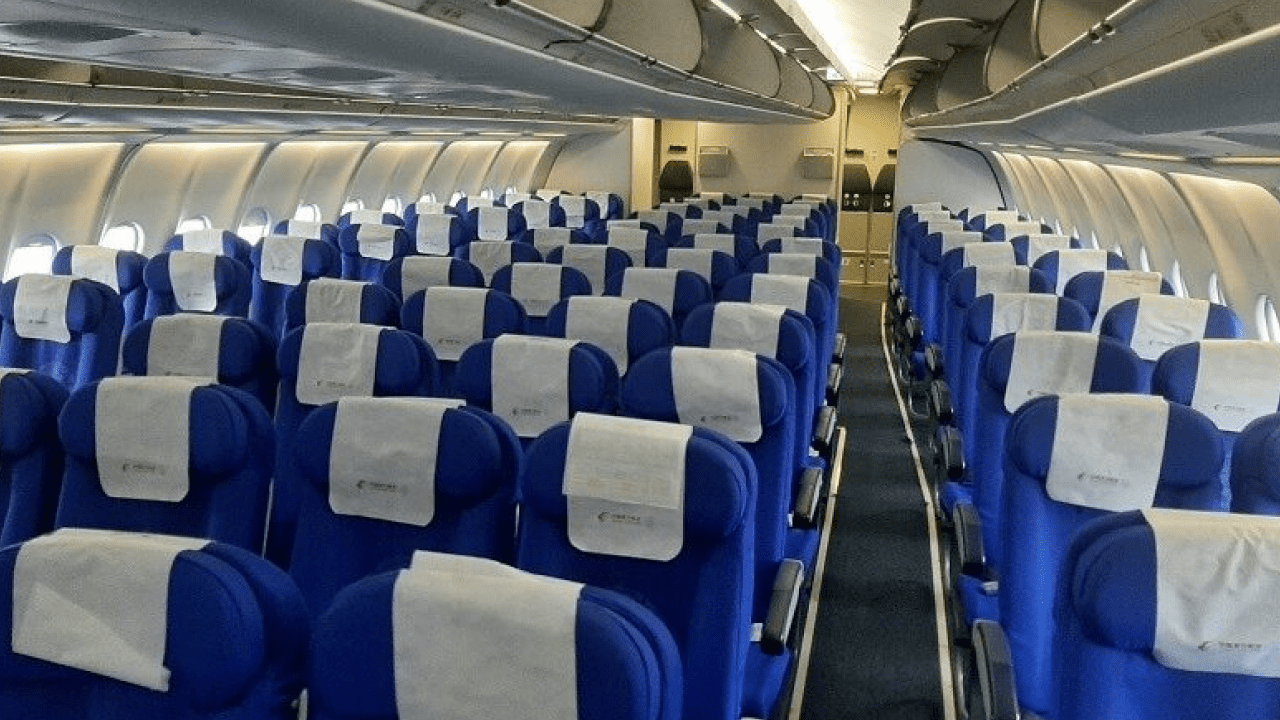
In a sweeping move aimed at curbing hidden airline charges, the Indian government has mandated that at least 60% of seats on every domestic flight be offered without any seat selection fee, marking a significant shift in passenger rights and pricing transparency across the aviation sector. The directive, issued by the Ministry of Civil Aviation through the Directorate General of Civil Aviation (DGCA), comes in response to growing consumer complaints about escalating ancillary charges and inconsistent airline practices.
The new rules are designed to make air travel more accessible and equitable, especially as India cements its position as the world’s third-largest domestic aviation market. With millions of passengers flying daily, the government’s intervention signals a stronger regulatory stance on customer protection and service standardization.
Until now, airlines typically charged extra for preferred seats such as window, aisle, or extra legroom options leaving only a limited number of seats available without additional fees. The new mandate significantly expands free seat availability, addressing long-standing concerns over what many travelers viewed as opaque and exploitative pricing strategies.
Also read: PM Modi Inaugurates Namo Bharat RRTS and Meerut Metro, Boosting Connectivity in Uttar Pradesh
Key Changes Under the New Aviation Guidelines
The government’s directive extends beyond seat pricing and introduces a broader framework to enhance passenger experience and enforce accountability among airlines.
Free Seat Allocation:
Airlines must ensure that a minimum of 60% of seats on every flight are available for selection without any additional cost. This applies during both booking and check-in stages.
Seating for Group Travelers:
Passengers traveling under the same Passenger Name Record (PNR) must be seated together. Airlines are expected to prioritize adjacent seating wherever possible, reducing the inconvenience often faced by families and groups.
Clear Passenger Rights Enforcement:
Airlines are required to strictly comply with existing passenger rights, particularly in cases of flight delays, cancellations, and denied boarding. These rights must be prominently displayed across digital platforms and airport counters.
Transparent Policies for Special Items:
Carriage rules for sports equipment, musical instruments, and pets must be clearly defined, consistent, and communicated in a passenger-friendly manner, while adhering to safety norms.
Regional Language Accessibility:
To improve awareness, passenger rights and entitlements must also be communicated in regional languages, ensuring inclusivity for non-English-speaking travelers.
Why This Matters
The introduction of free seat selection for a majority of passengers addresses one of the most persistent grievances in Indian aviation ancillary charges that inflate ticket costs beyond the advertised fare.
Airlines have increasingly relied on add-on fees as a revenue stream, charging passengers for services that were once included in the base fare. Seat selection, in particular, became a flashpoint, with travelers questioning why they had to pay extra simply to sit with family members or choose basic preferences.
By mandating a higher proportion of free seats, the government is effectively restoring a degree of fairness to the booking process. The move is also expected to reduce last-minute conflicts onboard, where passengers often negotiate seat swaps to sit together.
Industry / Market Impact
The directive is likely to have a measurable impact on airline revenue models. Ancillary income including seat selection fees has become a crucial component of profitability for carriers operating in a highly competitive market with tight margins.
Airlines may now need to rebalance pricing strategies, potentially adjusting base fares or introducing new paid services to offset the loss of seat selection revenue. At the same time, the move could increase consumer trust and encourage more people to choose air travel, particularly first-time flyers and budget-conscious passengers.
India’s aviation sector has witnessed rapid expansion in recent years, handling over 500,000 passengers daily. With this growth has come increased scrutiny over service quality and pricing practices. The latest guidelines reflect a broader regulatory push to ensure that expansion does not come at the cost of passenger experience.
Background Context
The aviation ministry’s decision follows sustained public criticism, especially on social media, where passengers frequently highlighted hidden costs and inconsistent policies across airlines. Complaints ranged from high seat selection fees to confusion over baggage rules and lack of clarity in refund policies.
In parallel, the government has been rolling out passenger-friendly initiatives such as affordable food outlets at airports, free Wi-Fi access, and “Flybrary” services offering complimentary reading material. These efforts are part of a larger vision to make air travel more inclusive and user-friendly.
What Happens Next
Airlines are now expected to implement these guidelines promptly and ensure compliance across all customer touchpoints. The DGCA is likely to monitor adherence closely, with potential penalties for violations.
Passengers can expect greater transparency when booking tickets, clearer communication of their rights, and a more standardized experience across airlines. However, industry observers will be watching closely to see how carriers adapt their pricing models in response to the new constraints.