
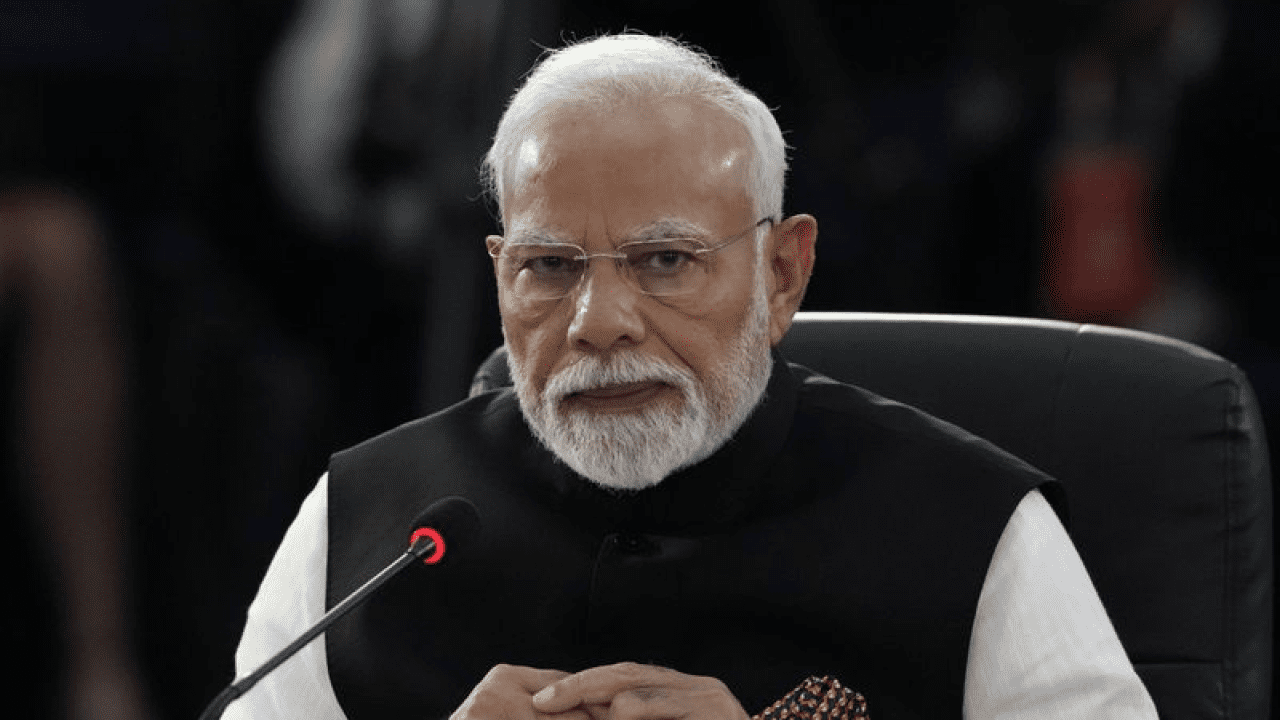
As tensions in West Asia intensify amid a widening Iran–Israel conflict with U.S. involvement, Prime Minister Narendra Modi has launched a high-level diplomatic outreach, speaking with key global leaders to push for de-escalation and safeguard critical energy infrastructure. The West Asia crisis, now entering its third week, has triggered attacks on major oil and gas facilities and raised alarm over disruptions to global energy supplies placing India’s energy security and trade routes at immediate risk.
In a series of phone calls on Thursday, Modi engaged with leaders of Qatar, France, Jordan, Oman, and Malaysia, emphasizing the urgent need to restore stability through dialogue and diplomacy. The conversations come against the backdrop of escalating strikes, including Israel’s reported attack on Iran’s South Pars gas field and retaliatory Iranian strikes on energy installations across the Gulf.
India strongly condemned the targeting of energy infrastructure, warning that such actions risk further escalation in an already volatile region. Modi also underscored the importance of maintaining safe and uninterrupted navigation through the Strait of Hormuz a critical maritime chokepoint through which nearly 20% of the world’s oil supply passes.
During his call with Qatar’s Amir Sheikh Tamim bin Hamad Al Thani, Modi reiterated India’s solidarity with Doha and condemned recent strikes, including reported attacks on Ras Laffan Industrial City, a key global LNG hub. He also expressed appreciation for Qatar’s support to the Indian diaspora.
Similar concerns were echoed in conversations with Jordan’s King Abdullah II and Oman’s Sultan Haitham bin Tariq, where Modi stressed that attacks on energy infrastructure are unacceptable and could lead to dangerous escalation. He also acknowledged Oman’s role in facilitating the safe return of stranded individuals, including Indian nationals, while reiterating India’s stance on respecting sovereignty.
In discussions with French President Emmanuel Macron, both leaders agreed to maintain close coordination to promote peace and stability, while Malaysian Prime Minister Anwar Ibrahim joined India in calling for immediate de-escalation through diplomatic channels.
Industry / Market Impact
The escalating conflict has sent shockwaves through global energy markets, with oil and gas prices rising sharply following attacks on critical infrastructure across the Gulf. Multiple countries, including Qatar, Saudi Arabia, Kuwait, and the UAE, have reported strikes on energy facilities, amplifying fears of prolonged supply disruptions.
India, which imports over 85% of its crude oil, faces significant exposure. Nearly half of these imports transit through the Strait of Hormuz, making any disruption to the route a major concern for domestic energy security. Qatar alone accounts for more than 40% of India’s LNG imports, highlighting the vulnerability of India’s gas supply chain.
Officials have confirmed that LNG imports have already been affected due to disruptions around the Strait, with several LPG tankers stranded and awaiting clearance. The government is actively engaging with regional stakeholders, including Iran, to secure safe passage for shipments and prevent further supply constraints.
The uncertainty has also rattled global markets, with traders reacting to potential bottlenecks in one of the world’s most critical energy corridors. Analysts warn that prolonged instability could lead to sustained price volatility and ripple effects across industries dependent on fuel and gas.
Why This Matters
The current crisis underscores the fragile nature of global energy systems and the outsized role of West Asia in maintaining supply stability. Attacks on infrastructure such as gas fields, refineries, and export terminals not only disrupt production but also create cascading risks for global trade.
For India, the stakes are particularly high. With limited strategic reserves reportedly covering just over a week of demand the country remains heavily reliant on uninterrupted imports. Any prolonged disruption could impact fuel prices, industrial output, and household energy access.
Beyond economics, the crisis also raises geopolitical concerns. The involvement of multiple actors, including Iran, Israel, and the United States, increases the risk of a broader regional conflict. Modi’s diplomatic outreach reflects India’s attempt to balance strategic relationships while advocating for stability in a region critical to its national interests.
What Happens Next
With hostilities continuing and no immediate diplomatic breakthrough in sight, the situation remains fluid. While there have been indications that some India-bound shipments are being allowed through the Strait of Hormuz, uncertainty persists over long-term access and security.
India is expected to intensify diplomatic engagement with key regional players to ensure energy flows remain uninterrupted. At the same time, policymakers may explore diversifying energy sources and strengthening strategic reserves to mitigate future risks.
On the global stage, coordinated diplomatic efforts such as those highlighted in Modi’s conversations with international leaders will be crucial in preventing further escalation. However, with attacks increasingly targeting critical infrastructure and casualties rising, the window for de-escalation appears to be narrowing.