
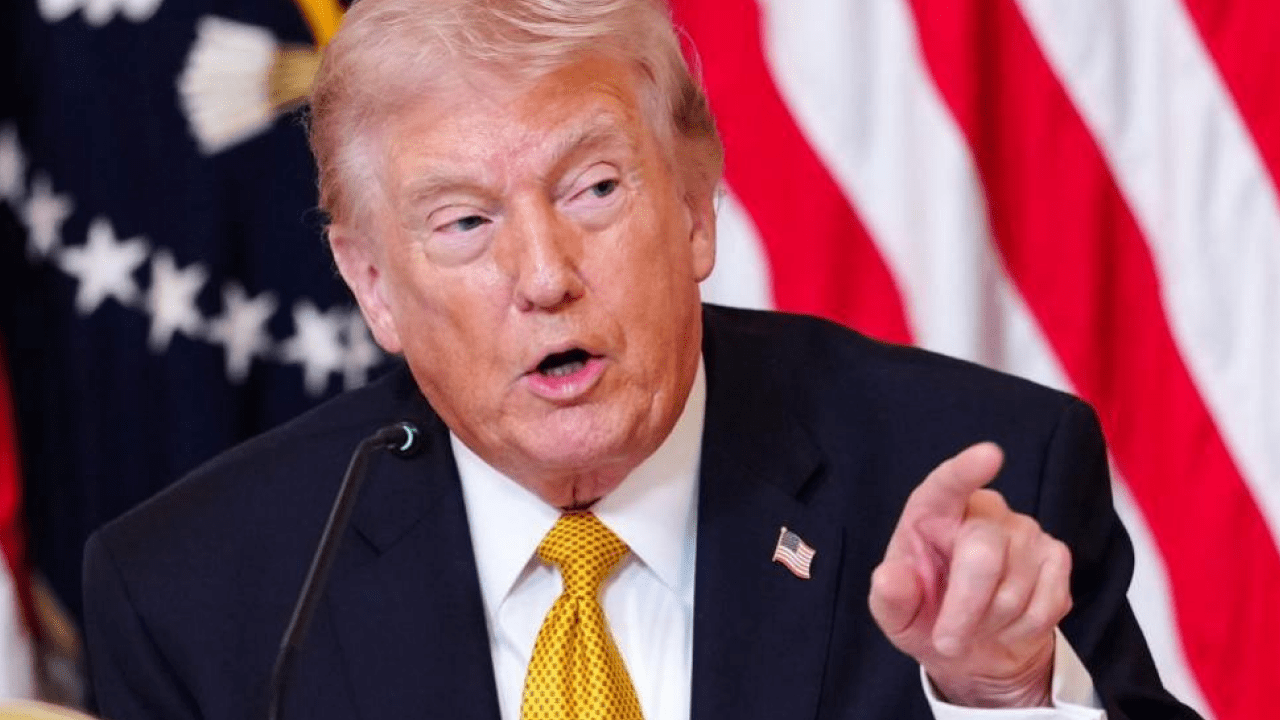
A proposed 15-point Iran ceasefire plan put forward by US President Donald Trump has triggered a mix of diplomatic intrigue, outright denial from Tehran, and continued military escalation across the Middle East, underscoring the fragile and uncertain path toward ending the ongoing conflict.
The plan reportedly delivered to Iranian officials via Pakistani intermediaries aims to halt nearly a month of hostilities between the United States, backed by Israel, and Iran. While Washington insists that diplomatic channels are active and progress is being made, Iranian leaders have publicly dismissed the claims, calling them misleading and insisting no negotiations are underway.
At the heart of the proposal is a sweeping attempt to curb Iran’s nuclear and missile capabilities in exchange for major economic and political concessions, including the lifting of sanctions. The initiative also comes amid rising global concern over disruptions to oil supplies caused by tensions in the Strait of Hormuz, a critical maritime corridor.
A High-Stakes Proposal with Far-Reaching Conditions
Though full details have not been officially released, multiple reports outline a framework centered on strict limitations to Iran’s nuclear program. The proposal reportedly calls for Tehran to dismantle key nuclear facilities, including those at Natanz, Isfahan, and Fordow, and to transfer its stockpile of highly enriched uranium to the International Atomic Energy Agency (IAEA).
The plan further demands a complete halt to uranium enrichment within Iran and a formal commitment to never pursue nuclear weapons. In addition, Iran would face restrictions on its ballistic missile program limiting both range and quantity and would be required to confine future missile use strictly to self-defense.
Beyond nuclear concerns, the proposal targets Iran’s regional influence. It calls for Tehran to withdraw support from allied armed groups and scale back its proxy activities across the Middle East.
A key economic and geopolitical component involves reopening the Strait of Hormuz, which Iran has threatened to restrict. Ensuring free passage through the waterway is central to stabilizing global oil markets, which have been rattled by supply disruptions since the conflict began.
In return, the United States has reportedly offered sweeping incentives, a full lifting of sanctions, removal of the “snapback” sanctions mechanism, and support for Iran’s civilian nuclear program, including energy production at the Bushehr plant.
The proposal also includes a one-month ceasefire window intended to create space for broader negotiations toward a long-term agreement.
Tehran Pushes Back Amid Deep Mistrust
Iranian officials have responded with skepticism and defiance, rejecting both the existence of negotiations and the legitimacy of the US claims.
Military spokesperson Ebrahim Zolfaghari mocked Washington’s position, accusing the US of “negotiating with itself” and attempting to reframe battlefield setbacks as diplomatic progress. Senior commanders have reiterated that military operations will continue until what they describe as “complete victory.”
The public messaging reflects a broader atmosphere of mistrust. Iranian officials have signaled reluctance to re-engage with the US, citing previous negotiations that coincided with military actions. The recent deployment of additional American troops to the region has only deepened those concerns.
Despite this, backchannel diplomacy appears to be ongoing. Pakistan has emerged as a key intermediary, with reports suggesting it is facilitating communication between the two sides and potentially hosting future talks in Islamabad. However, Iranian representatives maintain that no direct or indirect negotiations have yet taken place.
Competing Demands Highlight Wide Gaps
Iran has reportedly outlined its own conditions for ending the conflict, revealing stark differences between the two sides.
Tehran’s demands include an immediate cessation of hostilities, guarantees against future US military action, and financial compensation for war-related damages. It has also insisted on maintaining full control over the Strait of Hormuz and rejected any limitations on its missile program, which it views as a core defensive capability.
Some proposals attributed to Iranian negotiators go even further, including calls for the closure of US military bases in the Gulf and the ability to levy fees on maritime traffic passing through Hormuz.
These positions are seen by US officials as largely incompatible with Washington’s objectives, underscoring the significant hurdles facing any potential agreement.
Why This Matters
The stakes of the proposed ceasefire extend far beyond the immediate conflict. The Strait of Hormuz handles a significant portion of the world’s oil shipments, and any prolonged disruption risks triggering sustained increases in global energy prices and economic instability.
Moreover, the confrontation has reignited concerns over nuclear proliferation in the region. A failure to reach an agreement could accelerate Iran’s nuclear ambitions while prompting further military escalation from the US and Israel.
The situation also reflects a broader shift in geopolitical alignments, with regional actors such as Pakistan, Turkey, and Egypt attempting to mediate while balancing their own strategic interests.
What Happens Next
Despite the diplomatic overtures, the immediate outlook remains uncertain. Both sides continue to signal conflicting intentions publicly escalating rhetoric while leaving the door open to potential talks.
The United States is reportedly preparing to deploy additional troops, even as it pushes for negotiations, illustrating a dual-track strategy of pressure and diplomacy. Israel, meanwhile, has continued its strikes on Iranian targets, adding another layer of complexity to any ceasefire effort.
Iran, for its part, appears to be consolidating its position, emphasizing resistance while engaging indirectly with regional mediators.
Whether the proposed ceasefire plan can serve as a foundation for meaningful dialogue will depend on bridging deep divides over nuclear policy, military posture, and regional influence issues that have long defined US-Iran relations.
For now, the 15-point proposal has exposed not only the possibility of diplomacy but also the profound mistrust and competing priorities that continue to drive the conflict forward.