
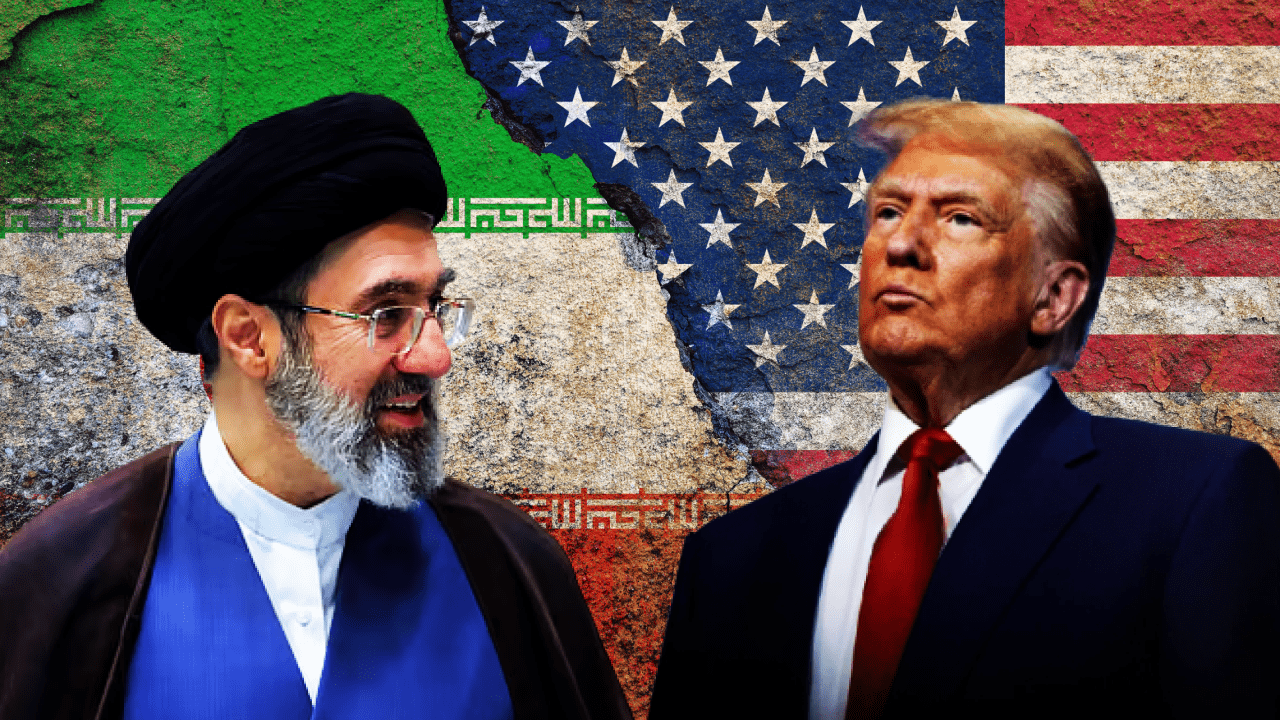
Iran has put forward a new diplomatic proposal to the United States aimed at ending the ongoing conflict and reopening the strategically vital Strait of Hormuz, while deferring negotiations over its nuclear program a move that could reshape the trajectory of a war that has already disrupted global energy markets. The Iran US deal proposal, reportedly delivered through Pakistani mediators, comes as ceasefire conditions remain fragile and prior rounds of negotiations have failed to produce a breakthrough.
According to multiple reports citing US officials and sources familiar with the discussions, Tehran’s offer outlines a structured, multi-stage framework designed to first de-escalate military tensions before addressing more contentious issues such as nuclear development. The White House has acknowledged receiving the proposal but has not indicated whether it will engage with the terms.
At the core of Iran’s proposal is a sequencing strategy, immediate conflict resolution and maritime access would take priority, while nuclear negotiations long a sticking point between the two countries would be postponed until later stages.
The first phase calls for a complete cessation of hostilities, along with guarantees to prevent renewed military action involving Iran and its regional allies. The second phase would focus on restoring access to the Strait of Hormuz, including discussions on its management and the lifting of US naval restrictions that have effectively blockaded Iranian ports. Only after these steps are completed would Tehran agree to enter negotiations over its nuclear program.
The Strait of Hormuz, a narrow but crucial oil transit chokepoint, has been at the center of the crisis. Its disruption has intensified global energy instability, amplifying the urgency for a diplomatic solution.
Despite the potential implications, the US response has been cautious. A White House spokesperson reiterated that Washington would not negotiate sensitive matters publicly and emphasized that any agreement must align with US national security priorities, particularly preventing Iran from acquiring nuclear weapons.
Also read: Ceasefire Nears Expiry as US-Iran Tensions Escalate, Raising Risk of Prolonged “Frozen Conflict”
Background Context
The proposal emerges against the backdrop of stalled diplomacy and mounting geopolitical complexity. Initial rounds of talks held in Pakistan earlier this month ended without progress, with both sides expressing frustration over the lack of trust and diverging expectations.
Iranian Foreign Minister Abbas Araghchi has played a central role in shuttle diplomacy, holding multiple meetings in Islamabad with Pakistani leadership, including Prime Minister Shehbaz Sharif and Army Chief Asim Munir. Pakistan has acted as a key intermediary, attempting to bridge gaps between Tehran and Washington.
However, efforts to sustain dialogue have faced setbacks. US President Donald Trump recently cancelled a planned visit by senior envoys to Pakistan, citing logistical concerns and signaling impatience with the pace of negotiations. He has instead suggested that direct communication channels remain open if Iran is willing to engage.
Meanwhile, Iran’s diplomatic outreach has extended beyond Pakistan. Araghchi has traveled to Russia for consultations with President Vladimir Putin, indicating Tehran’s efforts to consolidate international support amid the ongoing crisis.
Also read: Iran Mocks US Over Strait of Hormuz Blockade as Online Meme War Escalates Amid Rising Tensions
Why This Matters
The Iran US deal proposal carries significant implications not only for regional stability but also for global economic conditions. The Strait of Hormuz handles a substantial portion of the world’s oil shipments, and its closure or disruption has immediate ripple effects on energy prices and supply chains.
By prioritizing the reopening of the waterway and delaying nuclear talks, Iran appears to be leveraging economic pressure points to gain negotiating advantage. This sequencing could complicate Washington’s long-standing objective of curbing Iran’s nuclear ambitions before offering sanctions relief or military concessions.
For the United States, accepting such a framework may reduce its leverage in future nuclear negotiations. Analysts note that once maritime access is restored and hostilities cease, Tehran could have less incentive to make significant concessions on uranium enrichment or stockpile reduction.
At the same time, rejecting the proposal risks prolonging the conflict and exacerbating global economic strain placing Washington in a difficult strategic position.
Also read: Trump Warns of Massive Escalation as Fragile US-Iran Ceasefire Faces Mounting Strain
What Happens Next
The immediate future of the Iran US deal proposal hinges on deliberations within the US administration. President Trump is expected to convene a high-level national security meeting to assess the offer and determine whether it aligns with US strategic goals.
Diplomatic momentum remains uncertain. While a temporary ceasefire is still in place, it has yet to translate into meaningful political progress. The war, now approaching its third month, continues to simmer without a clear resolution in sight.
If Washington chooses to engage with the proposal, negotiations could resume under a revised framework that prioritizes de-escalation. However, deep divisions remain, particularly over the sequencing of nuclear discussions and the extent of guarantees required to sustain peace.
For now, the proposal underscores a broader reality, both sides are exploring pathways to reduce tensions, but fundamental disagreements continue to hinder a comprehensive agreement.