
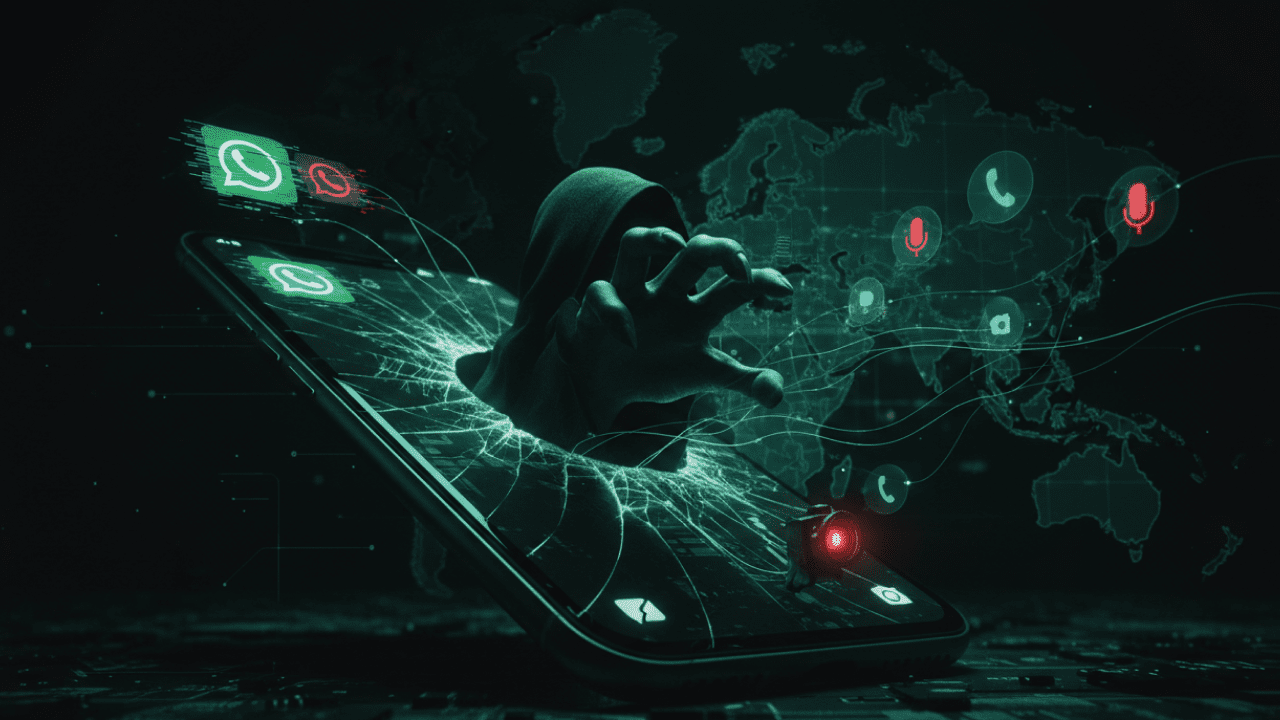
Meta-owned WhatsApp has issued a warning after uncovering a spyware campaign that targeted around 200 users, primarily in Italy, through a counterfeit version of its messaging app. The incident, linked to Italian surveillance firm SIO, highlights growing concerns over the misuse of commercial spyware and the increasing reliance on social engineering tactics to compromise devices.
According to Meta, victims were deceived into downloading an unofficial iOS version of WhatsApp that mimicked the legitimate application but secretly installed sophisticated surveillance software. The company has since logged affected users out of their accounts and issued urgent warnings to remove the malicious app and reinstall the official version from trusted sources.
Meta confirmed it is preparing legal action against SIO in an effort to halt the activity, though it has not disclosed details about the identities of the targets or the extent of data accessed.
Also read: Meta Tightens Control Over AI Agent Platform Moltbook With Sweeping Legal Overhaul After Acquisition
How the Spyware Campaign Worked
Unlike traditional cyberattacks that exploit software vulnerabilities, this operation relied on social engineering manipulating users into installing malicious software themselves. Victims were directed to download the fake WhatsApp application through third-party channels rather than official platforms such as the Apple App Store or Google Play Store.
Once installed, the counterfeit app granted attackers extensive access to device-level data. While Meta has not confirmed specific capabilities in this instance, similar spyware linked to SIO’s subsidiary ASIGINT has previously demonstrated the ability to intercept calls, activate microphones and cameras, and extract sensitive personal information.
The approach underscores a shift in tactics, rather than investing in costly zero-click exploits, attackers are increasingly leveraging trusted brand identities to trick users into compromising their own devices.
Background Context
Italy has quietly become a notable hub in the global spyware industry, with companies developing surveillance tools marketed to governments and law enforcement agencies. Firms like SIO and ASIGINT are part of a broader ecosystem that competes with more widely known players such as NSO Group, the developer of Pegasus spyware.
Meta itself has a history of confronting spyware vendors. In 2019, the company filed a lawsuit against NSO Group after discovering its tools had been used to exploit WhatsApp vulnerabilities and target approximately 1,400 users worldwide. That legal battle remains ongoing and has become a landmark case in defining the accountability of surveillance technology providers.
This latest incident differs in method but not in implication, instead of exploiting the platform directly, attackers bypassed its defenses by impersonating it.
Why This Matters
The WhatsApp spyware alert raises critical questions about the evolving nature of digital surveillance and user security. By relying on fake applications rather than technical exploits, the campaign demonstrates how human behavior remains one of the weakest links in cybersecurity.
The implications extend beyond messaging apps. If users can be persuaded to install a malicious version of WhatsApp, similar tactics could be used to impersonate banking apps, password managers, or other sensitive platforms potentially leading to far more severe consequences.
The case also adds urgency to ongoing debates within the European Union over spyware regulation. Several member states, including Italy, have faced scrutiny over the use of surveillance tools against journalists, activists, and political figures. Incidents like this are likely to intensify calls for stricter oversight and transparency in the spyware market.
Industry / Market Impact
The discovery is expected to reverberate across the tech industry, particularly among companies that rely on user trust and secure communications. Messaging platforms such as Signal and Telegram may reassess their defenses against impersonation campaigns, while app store operators face renewed scrutiny over distribution channels outside their ecosystems.
For Apple and Google, the incident reinforces the importance of controlling app distribution and educating users about the risks of sideloading or downloading apps from unofficial sources. Even though the malicious app did not originate from official stores, the broader ecosystem remains vulnerable to such deception.
Meanwhile, the spyware industry itself could face increased regulatory pressure. As tools once reserved for national security purposes become more widely deployed, governments and watchdog groups are likely to push for tighter controls on how these technologies are developed, sold, and used.
What Happens Next
Meta’s planned legal action against SIO signals a more aggressive stance against spyware developers, building on its earlier confrontation with NSO Group. If pursued, the case could further shape legal precedents around the responsibility of surveillance vendors and the rights of technology platforms to defend their users.
For affected individuals, the immediate priority is damage control removing the malicious software and securing their devices. However, given the capabilities typically associated with government-grade spyware, the full extent of data exposure may not yet be clear.
More broadly, the incident serves as a warning to users worldwide: even familiar and trusted apps can become vehicles for sophisticated attacks when distributed outside official channels. As cyber threats continue to evolve, vigilance at the user level remains a critical line of defense.