
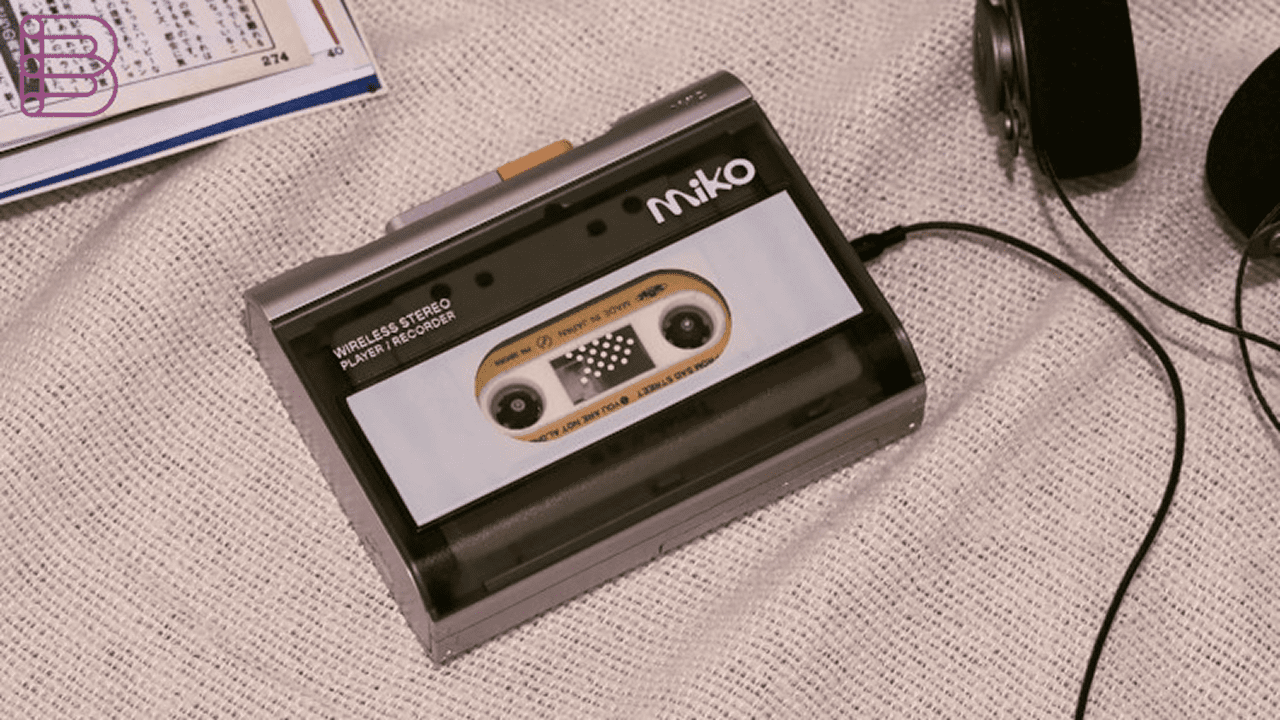
The Gadhouse Miko cassette player is arriving at a moment when analog nostalgia is rapidly reshaping the music industry, blending 1980s design with modern wireless functionality. Launched globally on April 10, the portable device taps into a renewed surge in cassette tape popularity, offering Bluetooth connectivity, recording features, and retro styling aimed at both longtime enthusiasts and a new generation discovering physical media.
The release underscores a broader cultural shift, cassette tapes once considered obsolete are now enjoying a measurable resurgence. With sales climbing steadily over the past decade and artists increasingly embracing the format, devices like the Miko signal that the comeback is not just sentimental, but commercially viable.
A Retro Design With Modern Capabilities
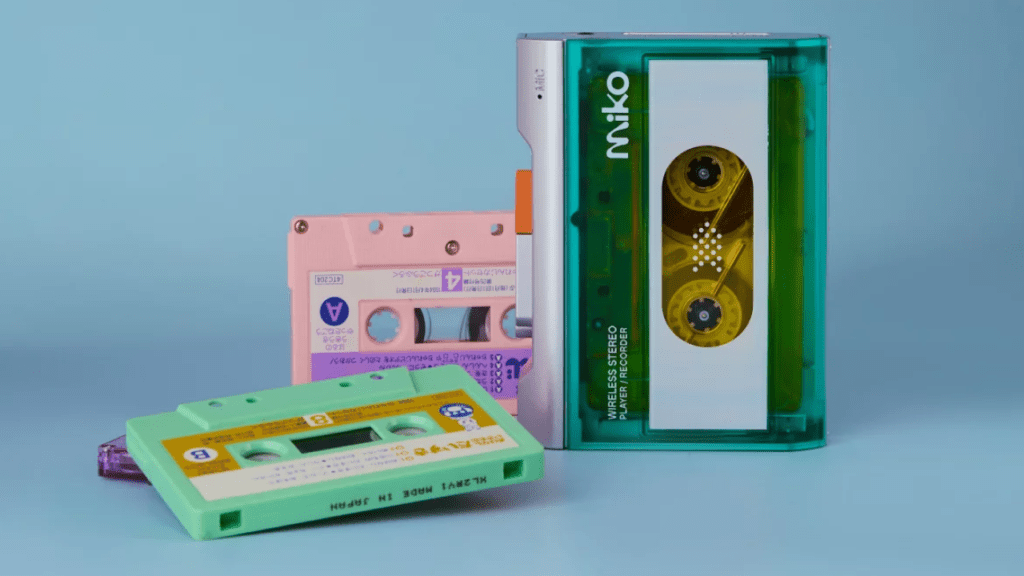
At first glance, the Miko looks like a relic from the Walkman era, complete with a transparent cover that reveals the spinning tape and tactile control buttons for play, stop, rewind, fast-forward, and record. But beneath its nostalgic exterior lies a set of contemporary features designed for everyday convenience.
The player supports Bluetooth 5.3, allowing users to stream cassette audio wirelessly to headphones or speakers effectively bridging analog playback with today’s dominant listening habits. For purists, it also includes a 3.5mm headphone jack for wired listening.
Additional features include:
- USB-C power support alongside traditional AA battery operation
- Built-in microphone for voice recordings
- Auxiliary input for recording directly onto cassette tapes
- Multiple recording modes for analog audio creation
Gadhouse says the device was nearly a year in development, with a design inspired by the 1985–1995 era. The Miko is available in “Smoke” and “Mint” color variants and retails for approximately $99 (£69.99), positioning it as a more affordable alternative to earlier Bluetooth-enabled cassette players.
Also read: NASA Artemis Watch 2.0 Brings Coding and Space Tech to Your Wrist Amid Artemis II Buzz
The Return of a Forgotten Format
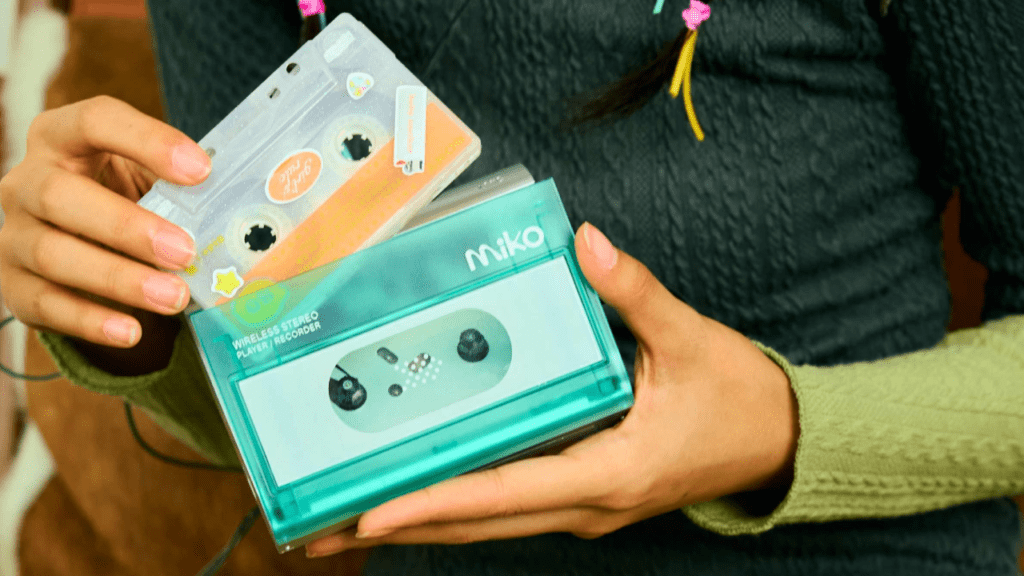
The launch of the Miko aligns with a significant revival in cassette culture. Once the dominant music format through the 1980s and early 1990s, cassette tapes declined sharply with the rise of CDs and later digital streaming.
However, recent data shows a dramatic reversal. Annual cassette sales have surged from around 74,000 units in 2015 to over 430,000 by 2023, representing nearly a sixfold increase. Estimates suggest that sales could reach approximately 600,000 units in 2025, indicating sustained growth.
This resurgence is being driven by a mix of nostalgia and novelty. Older listeners are revisiting a familiar format, while younger audiences particularly Gen Z are embracing cassettes as a tangible, hands-on alternative to streaming.
The appeal lies partly in the format’s imperfections. Unlike digital playback, cassette listening requires manual interaction rewinding, fast-forwarding, and flipping between Side A and Side B. What was once seen as inconvenient is now part of the charm.
Industry / Market Impact
The revival of cassette tapes is creating new opportunities across the music and consumer electronics sectors. For hardware manufacturers like Gadhouse, it opens a niche market for hybrid devices that merge analog playback with digital connectivity.
Meanwhile, artists and record labels are capitalizing on the trend by releasing albums in cassette format alongside vinyl and digital versions. High-profile musicians including Taylor Swift, Charli XCX, and Olivia Rodrigo have all issued cassette editions of their releases, helping legitimize the format’s return.
Cassettes also offer a pricing advantage. While vinyl records can cost upwards of $30, cassette tapes typically retail between $10 and $13, making them an accessible entry point for collectors and fans.
The combination of affordability, collectibility, and nostalgia is turning cassettes into a complementary revenue stream rather than a direct competitor to streaming.
Why This Matters
The resurgence of cassette tapes reflects a broader shift in how audiences engage with media in an increasingly digital world. As streaming platforms dominate music consumption, physical formats are evolving into experiential products rather than primary listening tools.
Devices like the Miko cater to this shift by blending old and new, they preserve the tactile, intentional nature of cassette listening while removing key barriers through wireless connectivity.
This hybrid approach suggests that the future of retro tech lies not in pure replication, but in thoughtful reinvention. Consumers are not necessarily abandoning modern convenience they are seeking ways to enrich it with elements of nostalgia and physical interaction.
What Happens Next
The success of products like the Miko could encourage further innovation in retro-inspired audio technology. Already, the market has seen the return of vinyl turntables, portable cassette gadgets, and even digital devices designed to mimic analog aesthetics.
If cassette sales continue their upward trajectory, more brands may enter the space with upgraded players, enhanced recording capabilities, and deeper integration with modern ecosystems.
At the same time, the long-term sustainability of the trend remains uncertain. Unlike vinyl, which offers superior audio fidelity, cassettes are inherently limited in sound quality. Their continued growth will likely depend on their cultural appeal rather than technical performance.
For now, however, the cassette comeback shows no signs of slowing and the Gadhouse Miko is positioning itself at the center of that revival.