
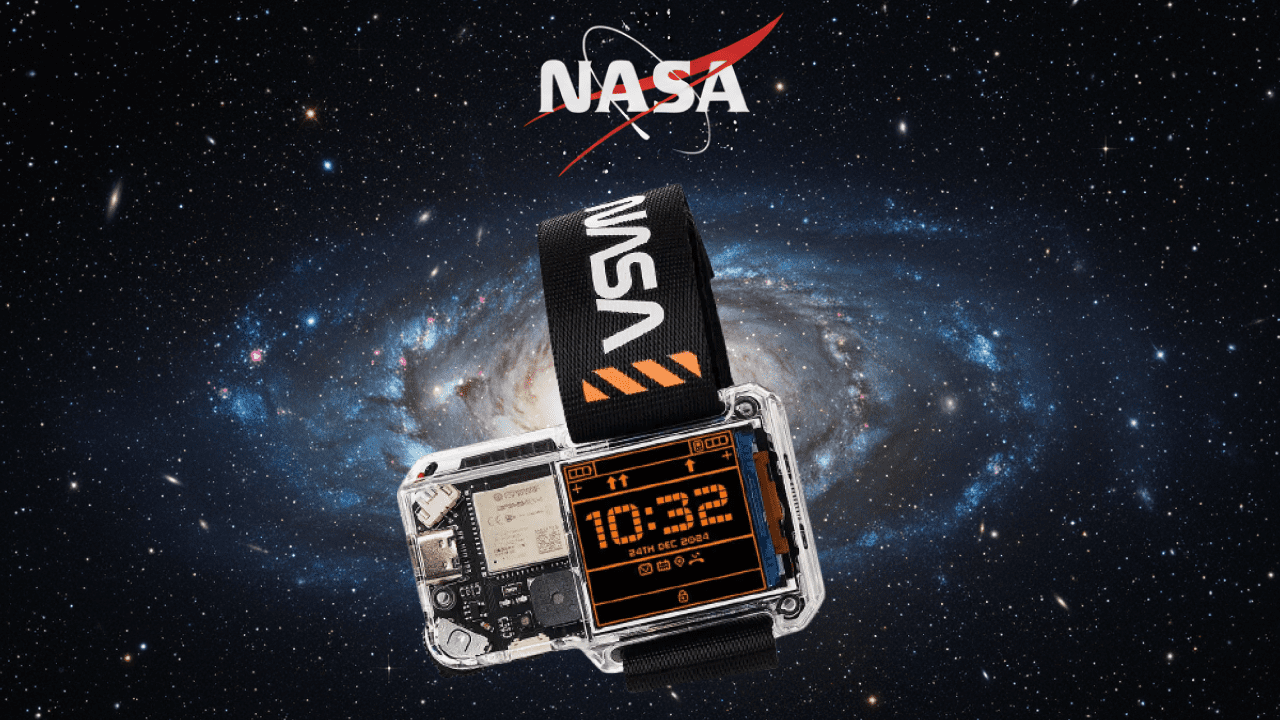
As global attention turns to NASA’s Artemis II mission the first crewed journey toward the Moon in more than half a century a new piece of consumer tech is riding the wave of renewed space enthusiasm. The NASA Artemis Watch 2.0, developed by CircuitMess, blends wearable technology with hands-on programming, offering users especially younger audiences a chance to build, modify, and understand a smartwatch from the inside out.
Launched in close proximity to the April 2026 Artemis II liftoff from Kennedy Space Center, the device taps into a moment when space exploration is once again dominating headlines. With astronauts Reid Wiseman, Victor Glover, Christina Koch, and Jeremy Hansen currently aboard the Orion spacecraft preparing for a lunar flyby, the cultural relevance of space technology has surged. CircuitMess has positioned its latest product squarely within that narrative, delivering a programmable smartwatch that emphasizes education and experimentation over conventional fitness tracking.
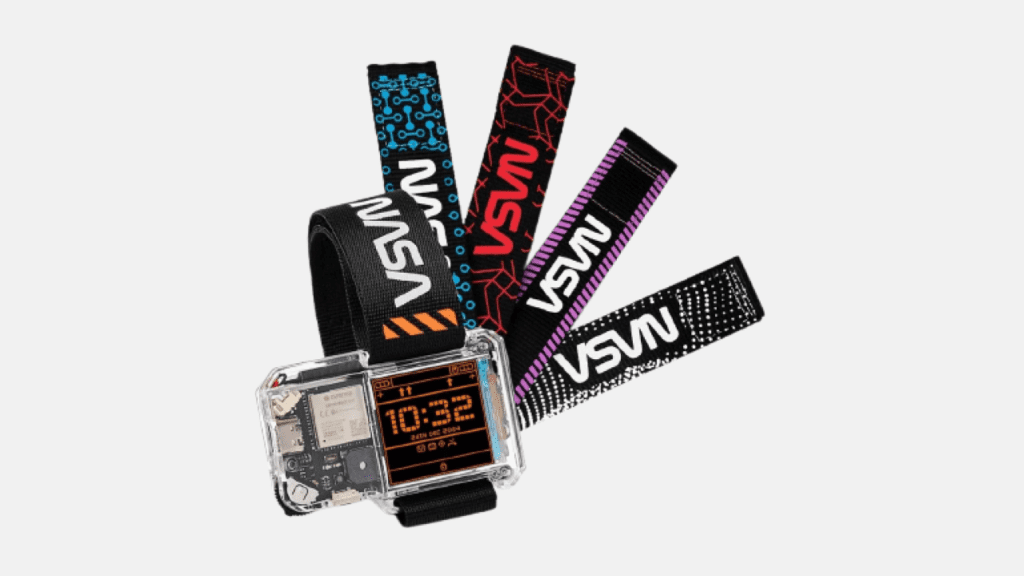
Unlike mainstream wearables, the Artemis Watch 2.0 is not designed to compete with premium smartwatches. Instead, it targets a niche audience interested in coding, electronics, and STEM learning, offering a transparent design and open-source software that encourage users to explore how the device actually works.
Also read: Apple’s First Foldable iPhone Nears Launch: Expected Price, Features, and Market Impact
A Transparent Design That Reveals Its Inner Workings
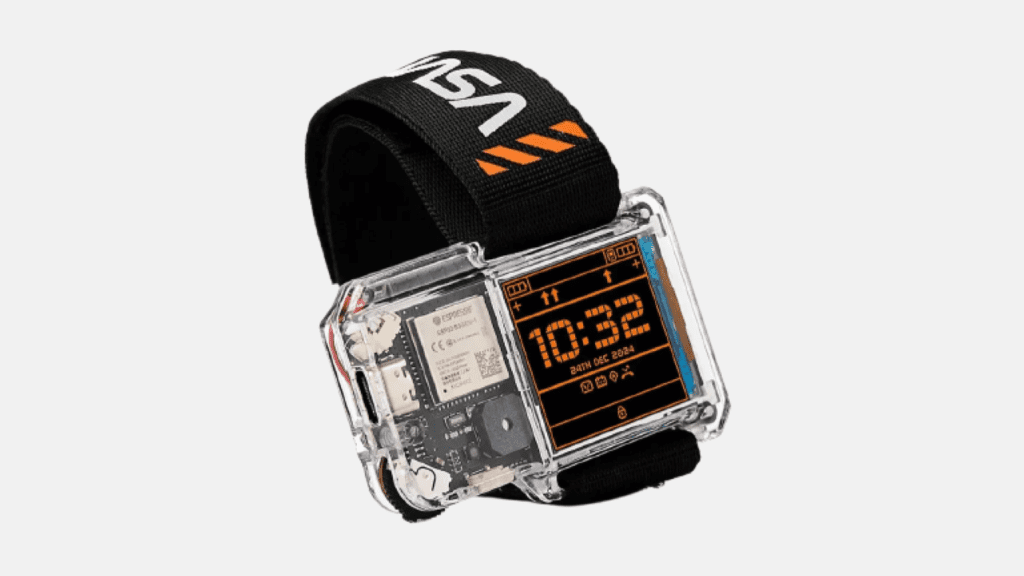
One of the most striking aspects of the Artemis Watch 2.0 is its physical design. Encased in a large, transparent rectangular housing, the watch exposes its internal components, including the ESP32 microcontroller, sensors, and display. The aesthetic leans heavily into retro-futuristic and cyberpunk influences, drawing comparisons to fictional gadgets while maintaining real-world functionality.
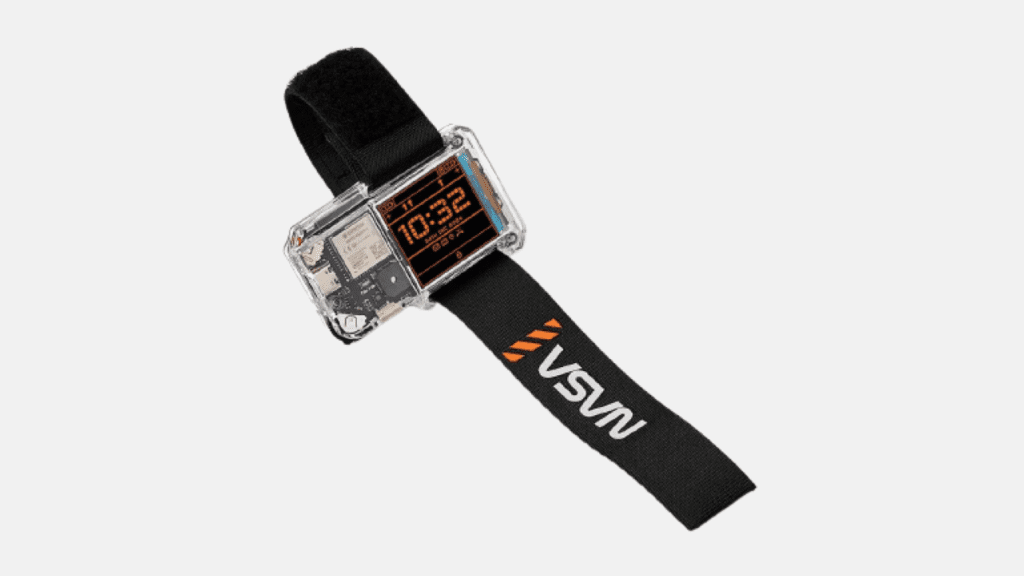
This design choice is more than visual flair. By making the hardware visible, CircuitMess aims to demystify modern electronics. Users can directly observe components such as the accelerometer, gyroscope, Bluetooth module, and temperature sensor, reinforcing the educational value of the device.
Built for Programmability, Not Passive Use
At its core, the Artemis Watch 2.0 is a programmable platform. Powered by a dual-core ESP32 microcontroller, the watch supports development in Python, Arduino IDE, and CircuitBlocks a visual programming environment designed for beginners. This flexibility allows users to start with simple block-based coding and progress to more advanced programming without switching platforms.
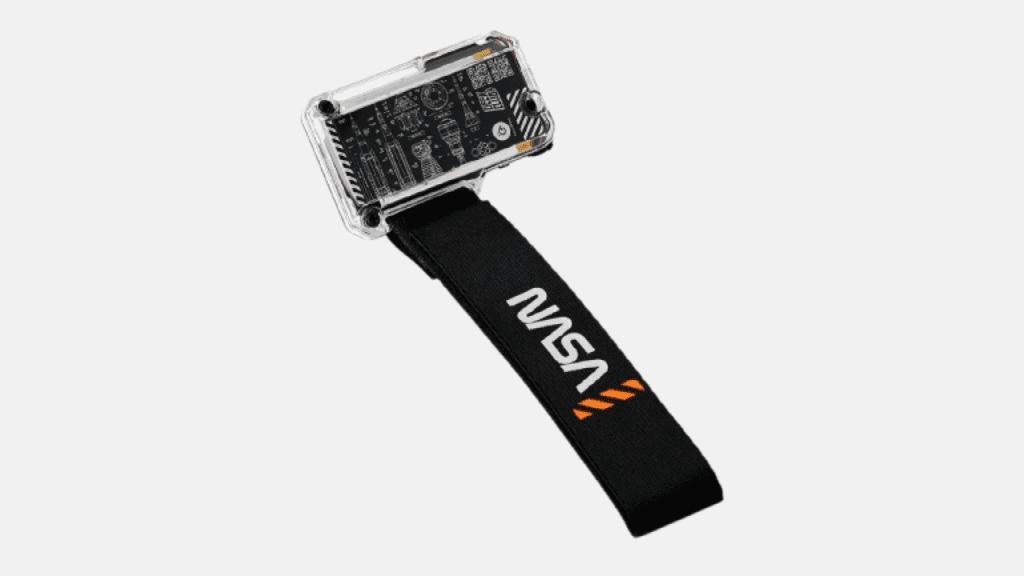
The firmware is fully open-source and accessible via GitHub, eliminating proprietary barriers. Users can create custom watch faces, develop interactive applications, and manipulate sensor data in real time. The watch’s sensors enable a wide range of projects, from step tracking using the accelerometer to environmental monitoring via the temperature sensor and compass.
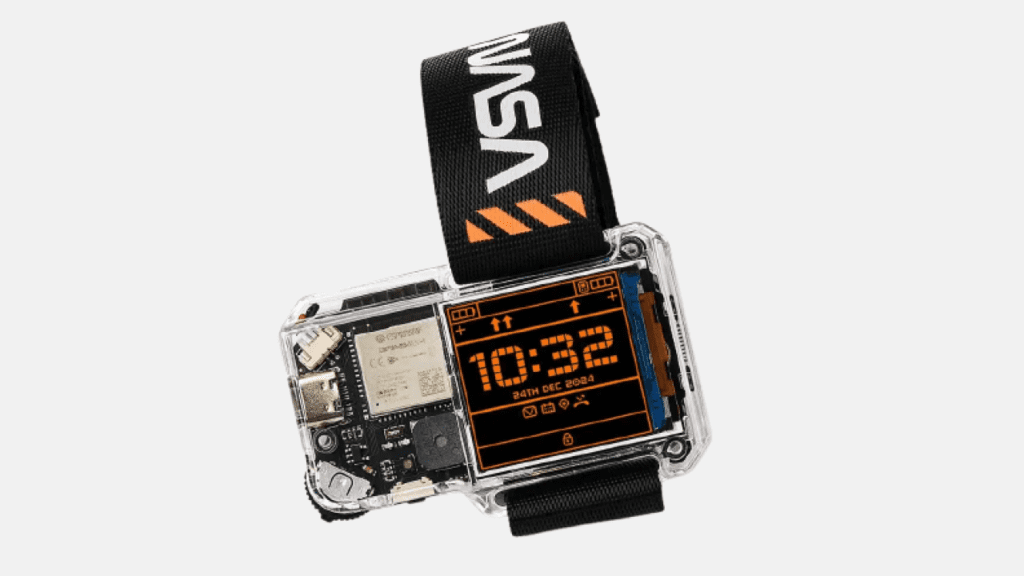
Bluetooth connectivity allows the device to pair with iOS and Android smartphones for notifications and basic activity tracking. However, it deliberately omits advanced biometric features such as heart rate monitoring or blood oxygen tracking, underscoring its focus on learning rather than health analytics.
Accessibility and Entry-Level STEM Appeal
CircuitMess has positioned the Artemis Watch 2.0 as an entry-level STEM device, recommended for users aged nine and above. Unlike many DIY electronics kits, the watch arrives fully assembled, allowing immediate use. For those seeking a deeper challenge, optional bundles include disassembled versions that require hands-on building.
Priced at approximately $129 with worldwide shipping, the watch sits between a novelty gadget and an educational tool. Additional bundles, such as the Mars Exploration package, pair the watch with a programmable rover kit, expanding its use into broader space-themed learning experiences.
This approach lowers the barrier to entry for coding and hardware experimentation. By integrating programming directly into a wearable device, CircuitMess eliminates the disconnect often found in educational tech, where coding happens separately from the hardware it controls.
Why This Matters
The Artemis Watch 2.0 reflects a broader shift in how technology is introduced to younger audiences. Many consumer devices prioritize ease of use at the expense of transparency, creating ecosystems where users interact with software but rarely understand it.
By contrast, this smartwatch encourages curiosity and technical literacy. It provides a tangible way to explore concepts like sensor data processing, wireless communication, and embedded systems skills increasingly relevant in a connected world.
The timing also amplifies its impact. With Artemis II reigniting public interest in space exploration, products that bridge the gap between inspiration and education are likely to resonate more strongly. The watch effectively transforms passive interest in space into active engagement with technology.
Industry / Market Impact
The Artemis Watch 2.0 enters a growing market of educational hardware aimed at STEM learning, competing less with traditional smartwatches and more with coding kits and microcontroller platforms like Raspberry Pi and Arduino-based systems.
CircuitMess’s decision to combine a wearable form factor with open-source programmability differentiates it from typical educational products. While most coding kits remain desk-bound, the Artemis Watch introduces mobility and everyday usability, potentially expanding how and where learning can occur.
The company’s reported global reach over 300,000 kits sold suggests a strong demand for hands-on tech education. By aligning its product with a high-profile NASA mission, CircuitMess also leverages branding and timing to stand out in a crowded market.
What Happens Next
As the Artemis II mission continues to capture global attention, products tied to its branding are likely to see increased visibility. For CircuitMess, the challenge will be sustaining interest beyond the current news cycle.
Future iterations of programmable wearables may build on this concept by integrating more advanced sensors or expanding compatibility with educational platforms. Meanwhile, the success of devices like the Artemis Watch 2.0 could encourage other companies to adopt more open and transparent approaches to consumer electronics.
Ultimately, the watch represents a small but meaningful shift in how technology is presented not as a sealed product to consume, but as a system to explore, modify, and understand.