
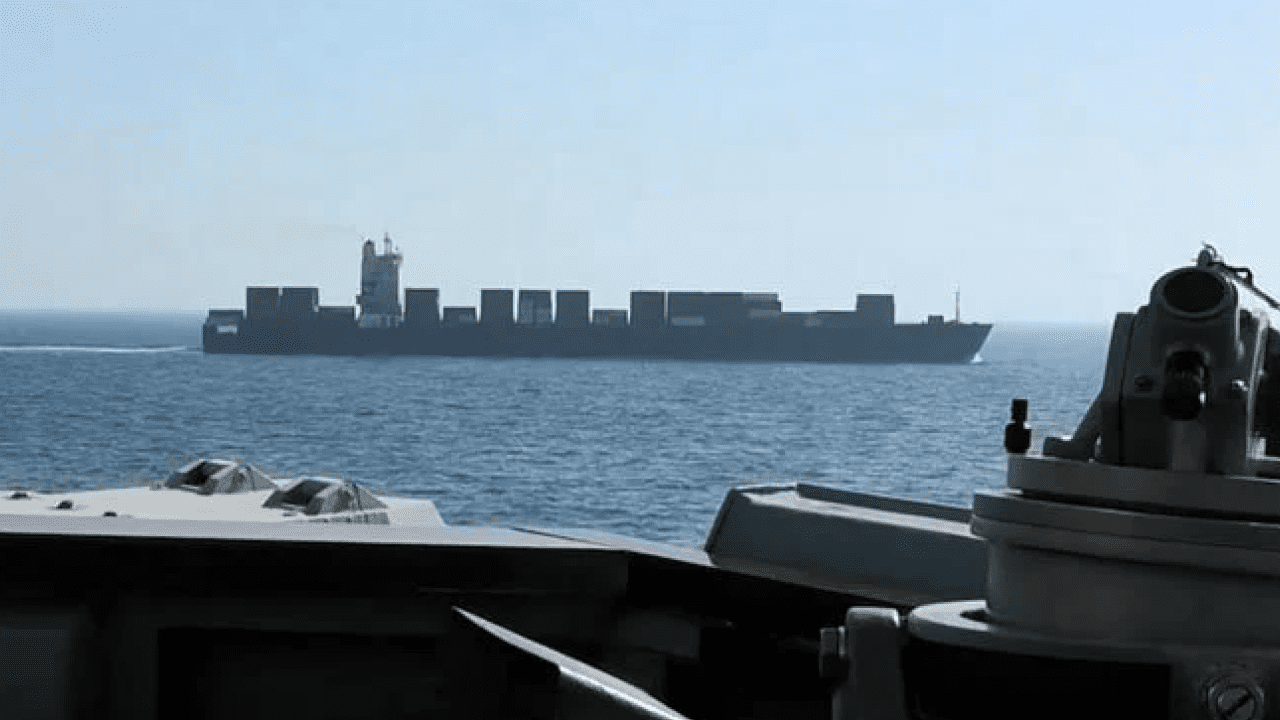
The interception of Iranian oil tankers by the United States in Asian waters has intensified an already volatile standoff in global shipping lanes, with significant implications for energy markets and regional security. At least three Iranian-flagged vessels carrying crude oil were stopped and redirected by US forces near India, Malaysia, and Sri Lanka, according to multiple shipping and security sources, marking a sharp escalation in Washington’s maritime blockade against Iran.
The vessels identified as the Deep Sea, Sevin, and Dorena were reportedly carrying substantial volumes of crude oil when they were intercepted. The Dorena, a supertanker loaded with approximately 2 million barrels, was last tracked near India’s southern coast before being escorted by a US Navy destroyer in the Indian Ocean. The Deep Sea, partially loaded, had been positioned off Malaysia, while the Sevin, operating at around 65% capacity, had also been moving through Malaysian waters.
The actions form part of a broader US-led effort to enforce a naval blockade targeting Iranian oil exports amid ongoing geopolitical tensions. US Central Command stated that dozens of vessels have been instructed to turn back or return to port since the operation began, underscoring the scale of enforcement activity underway.
Meanwhile, Iran has responded forcefully. Authorities in Tehran reported seizing two container ships attempting to exit the Strait of Hormuz after opening fire, signaling a willingness to retaliate against what it views as unlawful interference in international shipping. The exchange highlights the fragile security environment surrounding one of the world’s most critical maritime chokepoints.
The Strait of Hormuz, a narrow passage linking the Persian Gulf to global markets, handles roughly 20% of the world’s oil and gas supply. Disruptions in this corridor have already triggered sharp volatility in energy markets, with crude prices hovering near $100 per barrel amid fears of prolonged supply constraints.
Also read: Iran Seizes India-Bound Cargo Ship in Strait of Hormuz, Escalating Maritime Security Concerns
Industry / Market Impact
The ongoing blockade and countermeasures are reverberating across global energy markets. With a significant portion of oil shipments either delayed or rerouted, supply chains are tightening, pushing prices upward and increasing uncertainty for import-dependent economies.
Shipping companies are also facing rising insurance premiums and operational risks. Maritime insurers are reassessing coverage in high-risk zones, while tanker operators are forced to reconsider routes, adding time and cost to deliveries. Asian markets, particularly India and Southeast Asia, are feeling the strain as they rely heavily on Middle Eastern crude.
Energy analysts warn that sustained disruptions could deepen the current energy crisis, particularly if tensions further restrict access to the Strait of Hormuz. Strategic reserves may cushion short-term shocks, but prolonged instability could lead to structural supply shortages.
Background Context
The latest maritime confrontations come against the backdrop of a broader conflict involving the United States, Israel, and Iran, now stretching over several weeks with limited diplomatic progress. Efforts to resume negotiations have stalled, leaving both sides entrenched in a cycle of escalation.
The US blockade aims to curtail Iran’s oil exports, a critical revenue stream for Tehran. In response, Iran has increasingly leveraged its geographic control over the Strait of Hormuz to assert pressure, including targeting commercial vessels.
Recent days have also seen additional enforcement actions by US forces, including the seizure of Iranian-linked cargo ships and the diversion of multiple tankers suspected of carrying sanctioned oil. Some vessels reportedly altered course or halted operations after waivers permitting limited Iranian oil purchases expired.
Also read: Strait of Hormuz Crisis Deepens as Confusion, Gunfire and Blockades Halt Global Shipping
What Happens Next
The risk of further escalation remains high. With both sides demonstrating a willingness to act aggressively at sea, analysts anticipate continued disruptions in shipping routes and potential confrontations involving naval assets.
Diplomatic channels remain limited, and without renewed negotiations, the maritime standoff could expand beyond tanker interceptions to broader military engagement. Regional powers and global stakeholders are closely monitoring developments, given the potential for spillover effects on trade and energy security.