
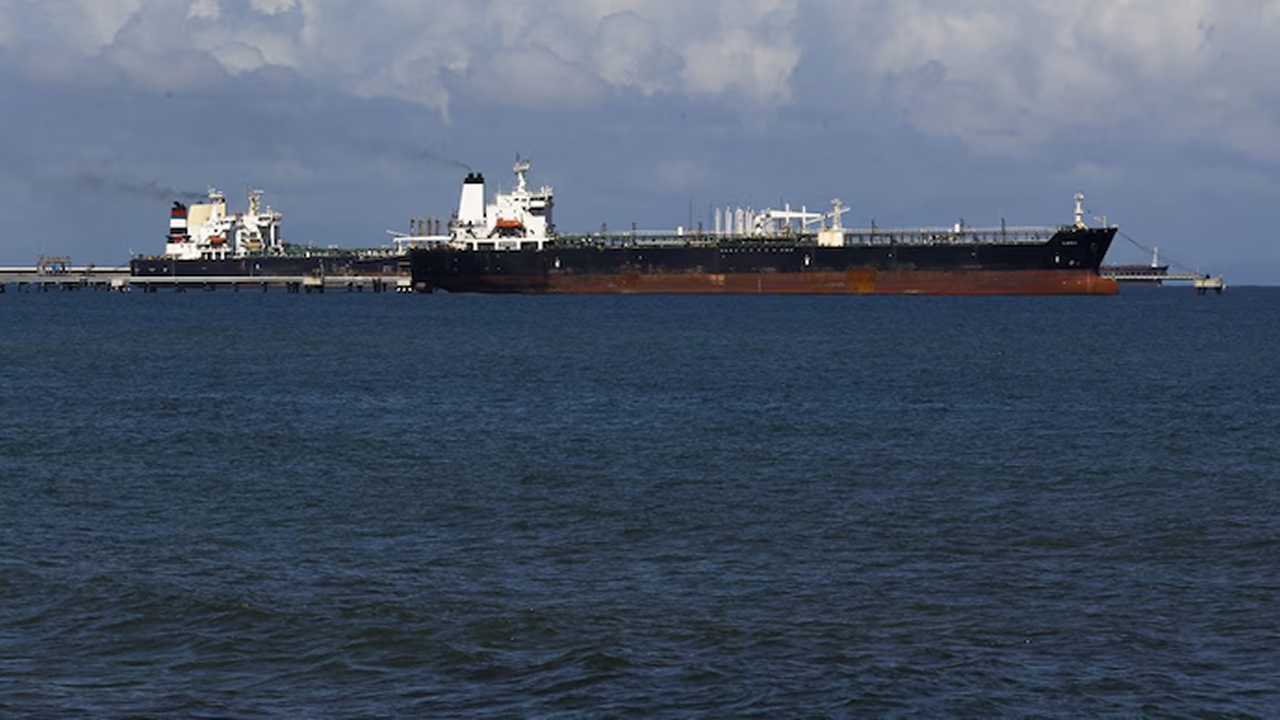
Iran’s Islamic Revolutionary Guard Corps (IRGC) has seized two commercial vessels in the strategically critical Strait of Hormuz, including an India-bound cargo ship, in a move that underscores rising instability in one of the world’s busiest shipping lanes. The incident, involving the Liberia-flagged Epaminodes en route to Gujarat’s Mundra Port, comes amid ongoing regional tensions and despite a recently extended ceasefire announced by US President Donald Trump.
According to Iranian state-linked reports, the IRGC Navy detained the Epaminodes along with another vessel, MSC Francesca, citing alleged violations of maritime regulations. Iranian authorities accused the ships of operating without proper authorization and manipulating navigation systems, claiming these actions endangered safety in the narrow waterway. Both vessels have reportedly been redirected toward the Iranian coast and are now under IRGC control.
The developments mark a significant escalation in maritime disruptions in the Strait of Hormuz, a vital artery for global oil and trade flows. The seizure of an India-bound ship is particularly notable, raising concerns about the safety of cargo shipments destined for Indian ports and the broader implications for regional commerce.
Also read: Strait of Hormuz Crisis Deepens as Confusion, Gunfire and Blockades Halt Global Shipping
Multiple Incidents Signal Heightened Tensions
The seizure operation appears to be part of a broader pattern of maritime incidents reported in the same region on the same day. At least three vessels were targeted in separate encounters involving Iranian forces.
The United Kingdom Maritime Trade Operations (UKMTO) confirmed that an IRGC gunboat fired on a container ship approximately 15 nautical miles northeast of Oman. In another case, the Panama-flagged vessel Euphoria, reportedly owned by a UAE-based firm, was attacked near Iranian waters but did not sustain damage, and its crew remained unharmed.
Meanwhile, the MSC Francesca was reportedly hit in a separate incident closer to Iran’s coastline, sustaining damage to its hull and accommodation sections, according to maritime intelligence sources. Though not all vessels were detained, the incidents collectively point to a coordinated show of force by Iranian naval units in the region.
Also read: US-Iran Maritime Standoff Deepens as Navy Enforces Blockade, Redirects Multiple Vessels Near Hormuz
Strategic Waterway Under Pressure
The Strait of Hormuz is one of the most critical chokepoints in global trade, with a significant percentage of the world’s oil shipments passing through its narrow passage. Any disruption in this corridor has immediate implications for international energy markets and global supply chains.
Iran has long maintained that maintaining order and security in the strait is a national priority. In its latest statement, the IRGC emphasized that any disruption to maritime safety would cross a “red line,” suggesting a firm stance against perceived violations by foreign vessels.
However, the timing of the seizures coinciding with a fragile ceasefire extension raises questions about the durability of diplomatic efforts to stabilize the region.
Also read: Iran Mocks US Over Strait of Hormuz Blockade as Online Meme War Escalates Amid Rising Tensions
Why This Matters
The detention of the Epaminodes, a vessel bound for India, highlights the vulnerability of commercial shipping routes that connect the Middle East with South Asia. India, which relies heavily on maritime trade for energy imports and goods, could face logistical disruptions if tensions persist.
For global markets, the incidents add another layer of uncertainty. Even isolated disruptions in the Strait of Hormuz can trigger ripple effects, including increased insurance premiums for shipping companies, rerouting of vessels, and potential spikes in oil prices.
The targeting of multiple ships also signals a broader risk environment for international shipping operators, many of whom depend on safe passage through the strait for timely deliveries.
What Happens Next
The immediate future of the detained vessels remains unclear, with no official timeline for their release. Diplomatic channels may be activated to secure the safe return of the ships and their cargo, particularly given the involvement of international stakeholders.
Meanwhile, maritime authorities and shipping companies are likely to reassess risk levels in the region. Increased naval monitoring, revised shipping routes, and heightened security protocols may follow as precautionary measures.
The extension of the ceasefire by US President Donald Trump conditional on further negotiations adds another dimension to the unfolding situation. Whether the truce can hold amid such incidents will depend on the willingness of involved parties to de-escalate tensions and engage in meaningful dialogue.
Background Context
The Strait of Hormuz has long been a flashpoint in geopolitical conflicts involving Iran and Western-aligned nations. Past incidents have included ship seizures, attacks on oil tankers, and military standoffs, often tied to broader disputes over sanctions, regional influence, and nuclear policy.
The latest seizures reinforce a recurring pattern, periods of diplomatic calm are frequently punctuated by sudden escalations at sea. For global trade and energy security, the stakes remain high.