
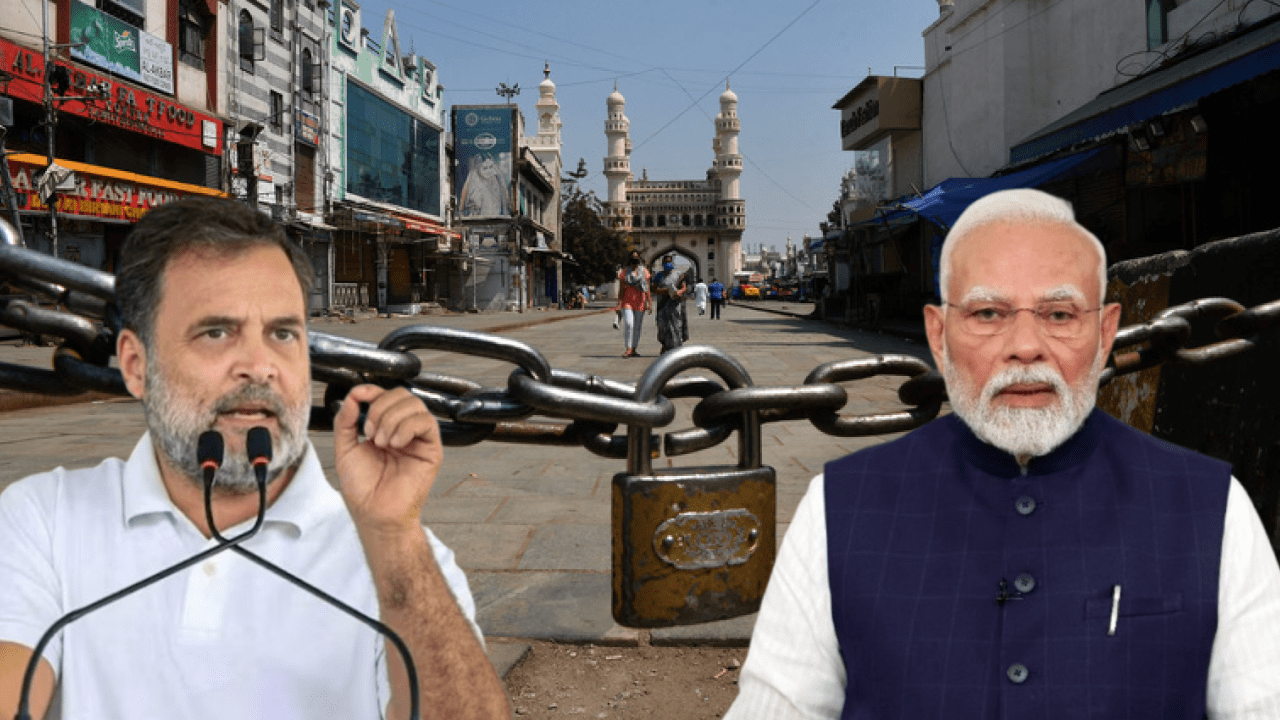
Hyderabad, May 10, 2026 – Prime Minister Narendra Modi on Sunday urged Indians to adopt a series of austerity measures, including working from home, minimizing petrol and diesel consumption, postponing foreign travel, and delaying gold purchases for at least a year. His address, delivered at a Telangana BJP rally in Hyderabad while inaugurating multiple projects, came in the wake of the ongoing conflict between the United States and Iran that has disrupted global energy supplies and sent oil and fertilizer prices soaring.
Modi framed his guidance as a national duty, stressing that citizens’ collective efforts could help shield India’s economy from the ripple effects of the crisis. He recommended using metro services, carpooling, and maximizing virtual meetings practices familiar from the COVID-19 pandemic as ways to conserve fuel and foreign exchange. Modi also emphasized reducing consumption of edible oils and chemical fertilizers, promoting natural farming, and supporting Swadeshi products as steps toward self-reliance.
However, the Prime Minister’s appeals have drawn sharp criticism from the opposition. Congress leaders accused Modi of shifting the burden of crisis management onto citizens, calling his measures a “proof of failure” and describing him as a “compromised PM” incapable of managing the country effectively.
Also read: India Lockdown Rumours Debunked: Government Denies Claims Amid Middle East Crisis Concerns
Expert Analysis / What This Means
The Prime Minister’s recommendations highlight the strain India faces amid a global energy crunch, underscoring vulnerabilities in fuel supply chains and foreign exchange reserves. For ordinary citizens, these measures translate into tangible lifestyle adjustments from remote work and public transport reliance to delayed personal spending on gold and international travel.
For the broader industry, Modi’s guidance signals potential disruptions in sectors reliant on fuel consumption, including logistics, retail, and manufacturing. Companies may need to adjust operational models, while energy providers face pressure to stabilize supply. Historically, similar appeals during crises, such as the COVID-19 lockdowns, led to short-term behavioral changes but exposed gaps in government contingency planning.
Looking ahead, India’s economic resilience will depend on proactive policies, strategic fuel reserves, and foreign exchange management. Failure to implement robust contingency mechanisms could amplify public discontent and disrupt industrial activity, while effective mitigation could stabilize markets and reassure investors.
Opposition Response and Political Tensions
Congress leaders reacted strongly to Modi’s address. Rahul Gandhi called the measures “evidence of failure,” saying that after 12 years in office, the government has brought the country to a juncture where citizens must be told how to spend, travel, and consume resources. Karti P. Chidambaram questioned the triggers prompting the advisories and demanded an immediate parliamentary session to brief the nation on the true state of affairs.
Congress General Secretary KC Venugopal condemned the Prime Minister for being “clueless about ensuring India’s energy security” even three months into the US-Iran war, labeling the guidance “shameless, reckless and immoral.” Opposition leaders argued that contingency measures, such as adequate fuel reserves, should precede citizen-level sacrifices, rather than replacing government responsibility.
Industry and Market Impact
The Prime Minister’s call to conserve energy and reduce imports will have immediate consequences for several sectors:
- Energy and Fuel: Reduced petrol and diesel use could alleviate short-term supply pressure but may affect fuel retailers and transport operators.
- Gold and Luxury Goods: A postponement of gold purchases for a year could depress domestic demand, impacting jewelers and the import economy.
- Transportation: Increased reliance on metro services and carpooling may temporarily reduce urban congestion but stress public transit systems.
- Agriculture: Emphasis on natural farming and lower chemical fertilizer consumption may encourage sustainability but could challenge yield-intensive crops.
Overall, businesses and industries will need to adapt rapidly to the government’s guidance to mitigate operational and financial risks.
Background Context
The US-Iran conflict, which began on February 28, 2026, has disrupted global energy flows, particularly through the Strait of Hormuz, a key conduit for one-fifth of the world’s oil supply. India, heavily reliant on imported oil and other critical commodities, has seen domestic fuel and fertiliser prices surge. Modi’s government framed the citizen-focused austerity measures as a preventive strategy to conserve foreign exchange and maintain economic stability amid ongoing global uncertainty.
What Happens Next
The political and economic debate is likely to intensify. Key developments to watch include:
- Parliamentary scrutiny of the government’s crisis response.
- Industry adjustments to consumption patterns and operational strategies.
- Possible revisions in import policy, fuel reserves, and gold trade regulations.
- Public compliance with remote work, transportation, and consumption advisories.
How effectively the government balances citizen participation with systemic resilience will shape public trust and India’s ability to weather prolonged global disruptions.