
India’s retail inflation edged higher in April 2026, with rising food prices pushing the Consumer Price Index (CPI) to its highest level in over a year, even as fuel-related pressures remained largely contained. Data released by the National Statistics Office showed headline inflation climbed to 3.48 percent in April from 3.40 percent in March, marking the fourth straight monthly increase while still remaining below the Reserve Bank of India’s medium-term target of 4 percent.
The April CPI inflation reading came in lower than most market forecasts, which had projected inflation closer to 3.8 percent. However, the latest numbers highlight growing pressure from food commodities and the broader risk posed by volatile global crude oil prices amid ongoing geopolitical tensions in West Asia.
The inflation print also represents the highest reading under India’s revised CPI series based on the 2024 benchmark year, introduced earlier this year. While the increase was moderate, economists warned that the current figures may not yet fully reflect the impact of higher global energy prices on consumers.
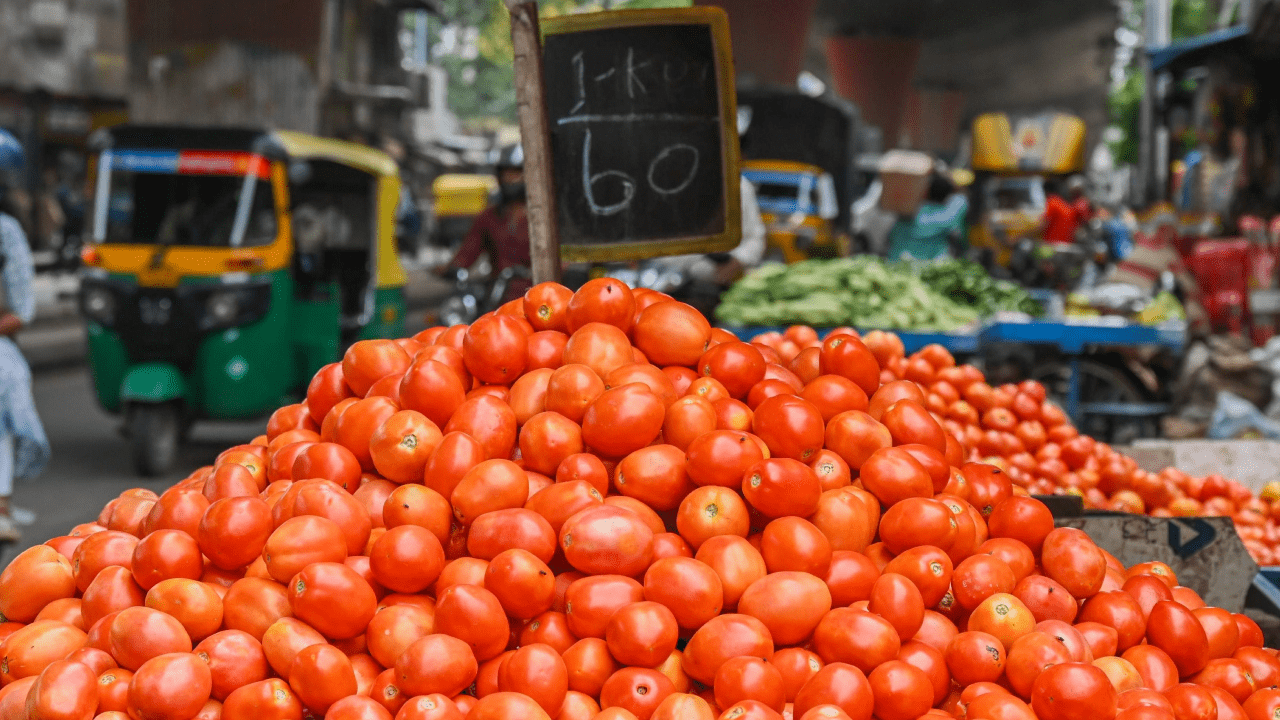
Food inflation emerged as the primary driver behind the rise in headline prices. Consumer Food Price Index inflation accelerated to 4.20 percent in April from 3.87 percent in March. Several vegetables recorded sharp price increases, with tomato inflation surging 35.28 percent year-on-year and cauliflower prices rising 25.58 percent. In contrast, potato prices declined 23.69 percent while onion prices dropped 17.67 percent compared to the previous year.
Analysts noted that the annual rise in food inflation was partly influenced by a softer comparison base from April 2025, although month-on-month food prices also moved higher.
At the same time, restaurants and food service providers reportedly began passing higher operating and fuel costs to consumers, contributing to broader inflationary pressure in urban spending categories.
Fuel Pressures Yet to Fully Reach Consumers
Despite renewed volatility in crude oil markets, the pass-through of fuel inflation into household expenses remained relatively limited during April. Brent crude prices crossed $107 per barrel after fading optimism around a possible US-Iran diplomatic breakthrough reignited supply concerns.
Yet transport inflation remained nearly flat at minus 0.01 percent, while inflation in housing, water, electricity, gas and other fuels stood at 1.71 percent. Economists attributed this moderation to controlled retail fuel pricing and delayed transmission by oil marketing companies.
The restrained fuel impact has become increasingly important for India, one of the world’s largest crude importers. Analysts warned that if international oil prices remain elevated for a prolonged period, domestic fuel revisions may eventually become unavoidable.
HSBC Chief India Economist Pranjul Bhandari noted that the current CPI data reflects only limited transmission of the global energy shock into consumer prices. According to HSBC estimates, combined pressure from elevated fuel prices and weather-related disruptions linked to El Niño conditions could push headline inflation significantly higher during the fiscal year.
Rural India Faces Higher Inflation Burden
Inflation continued to remain more severe in rural India than in urban centers. Rural headline inflation stood at 3.74 percent compared with 3.16 percent in urban areas, reflecting stronger cost pressures in villages and smaller towns.
Food inflation also remained higher in rural regions at 4.26 percent versus 4.10 percent in urban India. Economists say rural households are typically more vulnerable to fluctuations in food prices because a larger share of their spending is allocated toward essential commodities.
The divergence also points toward uneven consumption recovery across regions, with rural consumers continuing to face elevated living costs despite relatively stable headline inflation nationally.
Also read: India’s Nationwide Emergency Alert Test Sparks Panic, Signals New Era in Disaster Communication
Precious Metals Drive Sharp Price Spike in Select Categories
One of the most striking components in the April inflation data was the sharp increase in prices linked to precious metals and jewellery.
Inflation in the personal care and miscellaneous goods and services category climbed to 17.66 percent, making it the fastest-rising major segment in the index. Silver jewellery prices recorded an extraordinary 144.34 percent annual increase, while gold, diamond and platinum jewellery prices surged 40.72 percent.
The rise reflects strong global bullion prices amid geopolitical uncertainty and safe-haven demand from investors.
Expert Analysis / What This Means
India’s latest CPI inflation data suggests the country remains in a relatively comfortable inflation zone for now, but underlying risks are beginning to intensify. While the headline number remains below the RBI’s 4 percent target, the composition of inflation reveals mounting pressure from food and commodity-linked sectors.
The most important takeaway is that fuel inflation has not yet fully filtered into household expenses. If crude oil prices remain elevated and oil companies eventually revise petrol and diesel rates upward, inflation could accelerate much faster in the coming quarters.
Food inflation also remains vulnerable to weather disruptions, especially with concerns around El Niño conditions potentially affecting agricultural output and supply chains. Historically, adverse monsoon patterns have triggered sustained spikes in vegetable and cereal prices across India.
For consumers, this means household budgets may face increasing pressure later in 2026, particularly in transport, dining and utility expenses. Businesses, especially restaurants and logistics operators, are already beginning to transfer higher input costs to end users.
For policymakers, the challenge lies in balancing inflation control with economic growth. If inflation rises closer to or above the RBI’s tolerance threshold, expectations of future interest rate hikes could return despite recent stability in monetary policy.
Compared with previous inflation cycles, the current phase appears more externally driven due to energy market disruptions and geopolitical uncertainty rather than domestic demand overheating. That distinction may influence how aggressively the RBI responds in the coming months.
Industry / Market Impact
Financial markets are likely to closely monitor future inflation readings for signs of broader energy price transmission into the economy. Bond yields and currency markets may react sharply if inflation expectations begin to rise.
Sectors heavily dependent on fuel and transportation, including aviation, logistics, hospitality and food delivery services, could face margin pressure if crude prices remain elevated. Consumer-facing businesses may increasingly pass costs to customers, potentially affecting urban demand recovery.
Jewellery retailers could also witness changing consumer behavior as soaring gold and silver prices alter purchasing patterns ahead of the festive and wedding seasons.
What Happens Next
Economists expect inflation trends over the next two quarters to depend heavily on three major variables: crude oil prices, monsoon performance and government fuel pricing decisions.
Several analysts now believe the RBI may need to maintain a cautious monetary stance despite inflation remaining below target. HSBC estimates suggest headline inflation could average around 5.6 percent in FY27 if both energy and weather-related pressures intensify.
Markets will also watch whether the government intervenes through tax adjustments or subsidies to cushion consumers from higher global oil prices.
If food inflation persists alongside fuel cost transmission, India could face a more prolonged inflation cycle heading into late 2026.