
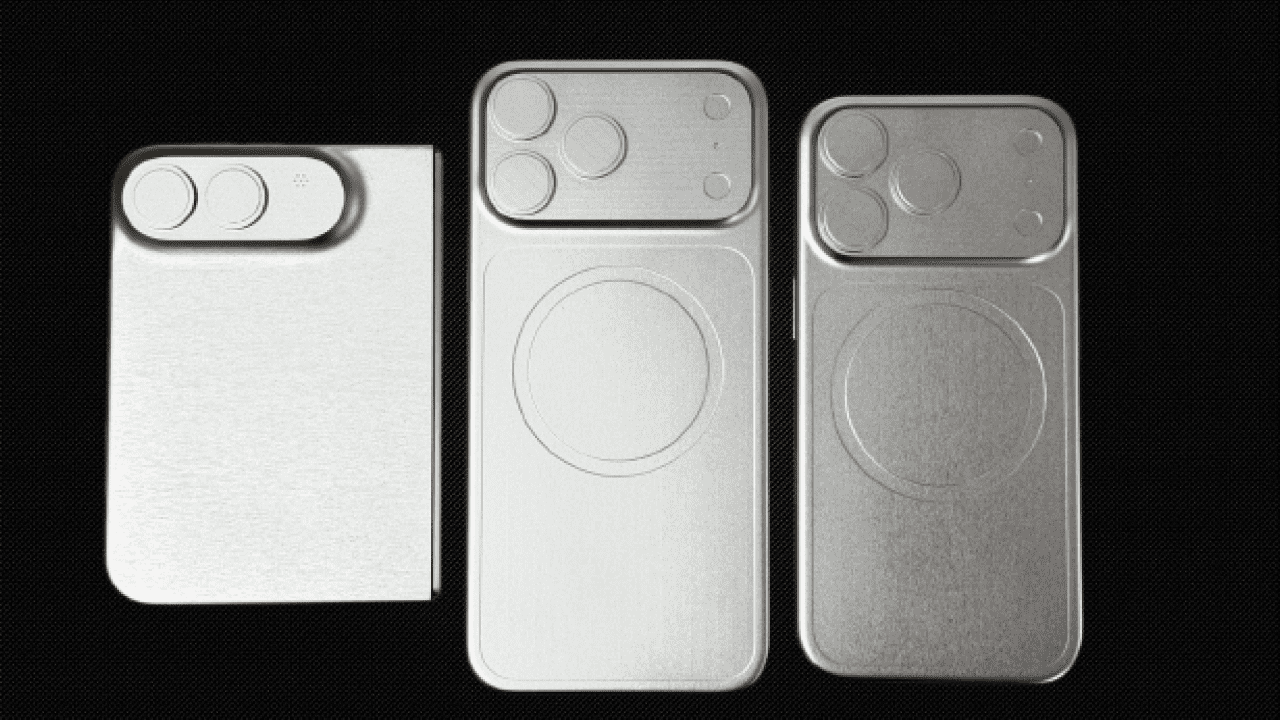
Apple’s upcoming iPhone 18 Pro series is already generating significant buzz months before its expected debut, with fresh leaks pointing to a notable shift in both design and camera technology. Dummy units of the iPhone 18 Pro, iPhone 18 Pro Max, and a rumored iPhone Ultra suggest that while Apple is sticking to a familiar design language, it is doubling down on camera hardware potentially introducing DSLR-like capabilities for the first time in an iPhone.
Images shared by tech insiders and based on CAD designs used by accessory manufacturers indicate that the new Pro models will retain the overall aesthetic of their predecessors. However, the most visible change lies in the camera system, which appears larger and more prominent than before hinting at major internal upgrades that could redefine mobile photography.
Also read: Apple CEO Transition Signals Strategic Reset as Tim Cook Steps Down After Transformative Era
A Familiar Design With a Noticeable Shift
Leaked dummy units show that the iPhone 18 Pro lineup closely resembles the current generation in terms of shape and layout. The key difference is a thicker and more pronounced camera module, which now extends further from the back panel.
Comparisons with the previous model reveal that the camera plateau on the iPhone 18 Pro Max could increase from approximately 11.23mm to 11.54mm. When factoring in the full camera bump, total thickness may rise from 12.92mm to around 13.77mm. This design adjustment suggests Apple is making room for more advanced imaging hardware rather than pursuing a slimmer profile.
The camera island itself appears slightly larger, with a more elevated glass covering, reinforcing expectations that the upgrade is not merely cosmetic.
DSLR-Style Variable Aperture: A Major Camera Leap
Beyond design tweaks, the most significant development is Apple’s reported introduction of a variable aperture camera system a first for the iPhone lineup. Unlike current models that use a fixed aperture, this technology allows the lens to physically adjust how much light enters the sensor.
This DSLR-inspired feature enables wider apertures in low-light conditions for brighter images, while narrowing the aperture in bright environments to improve clarity and depth control. The result is expected to be more natural-looking photos with enhanced detail and better subject separation.
The move signals a strategic shift from Apple’s heavy reliance on computational photography toward more advanced optical hardware. While software processing will remain important, this change could bring a new level of creative control typically reserved for professional cameras.
Expected Specifications and Features
The iPhone 18 Pro and Pro Max are expected to feature high-end displays and performance upgrades consistent with Apple’s flagship positioning.
Both models will likely include LTPO Super Retina XDR OLED panels, with screen sizes of approximately 6.3 inches for the Pro and 6.9 inches for the Pro Max. Adaptive refresh rates ranging from 1Hz to 120Hz are also anticipated, ensuring smoother visuals and improved power efficiency.
Under the hood, Apple is expected to introduce its next-generation A20 Pro chip, reportedly built on an advanced 2nm process. This could deliver significant improvements in speed and energy efficiency, paired with up to 12GB of RAM.
Camera hardware is expected to be a standout feature across the lineup. In addition to the variable aperture main sensor, both models may include a 48MP ultra-wide lens and a 48MP tetraprism telephoto camera capable of 5x optical zoom. The front-facing camera is also rumoured to receive an upgrade to 24MP.
Battery life may see a boost as well, with the Pro Max model potentially housing the largest battery ever in an iPhone, estimated between 5,100mAh and 5,200mAh.
Also read: Vivo X300 Ultra India Launch Confirmed as Premium Camera Flagship Push Intensifies
iPhone Ultra: A New Category Emerges
The leaks also shed light on a possible iPhone Ultra, which could represent Apple’s entry into foldable smartphones. Dummy units suggest a book-style folding design with a large internal display comparable in width to the height of the Pro Max when unfolded.
Interestingly, the Ultra model appears to feature only two rear cameras and may lack MagSafe support an unusual decision for a premium device. While details remain limited, the device is expected to occupy a new ultra-premium segment, potentially becoming the most expensive iPhone ever released.
Also read: Apple’s First Foldable iPhone Nears Launch: Expected Price, Features, and Market Impact
Industry / Market Impact
Apple’s move toward variable aperture technology could have far-reaching implications for the smartphone industry. For years, brands have competed primarily through software-driven photography enhancements. By introducing a hardware-based solution, Apple may shift the competitive landscape back toward optical innovation.
Suppliers across the global supply chain are already ramping up production. Key partners are reportedly handling specialized components such as actuators and camera module assembly, reflecting the complexity of the new system. Early production timelines suggest Apple is preparing for high demand at launch.
If successful, this technology could quickly become a standard feature among flagship smartphones, prompting competitors to accelerate similar developments.
What Happens Next
Apple is widely expected to unveil the iPhone 18 Pro lineup at its traditional September launch event. However, reports indicate that not all models in the broader iPhone 18 family will arrive simultaneously, with some variants potentially delayed until the following year.
In the lead-up to the announcement, additional leaks are likely to clarify details around pricing, final specifications, and software features. The biggest question remains whether the new camera system will deliver a noticeable real-world advantage or simply serve as a technical milestone.
Why This Matters
The iPhone 18 Pro series represents more than an incremental upgrade. By prioritizing hardware innovation in imaging, Apple is signaling a shift in how smartphone photography evolves. If the variable aperture system performs as expected, it could redefine user expectations and reshape the competitive dynamics of the premium smartphone market.
At the same time, the introduction of a foldable Ultra model suggests Apple is expanding its ambitions beyond traditional form factors potentially opening a new chapter in its product lineup.