
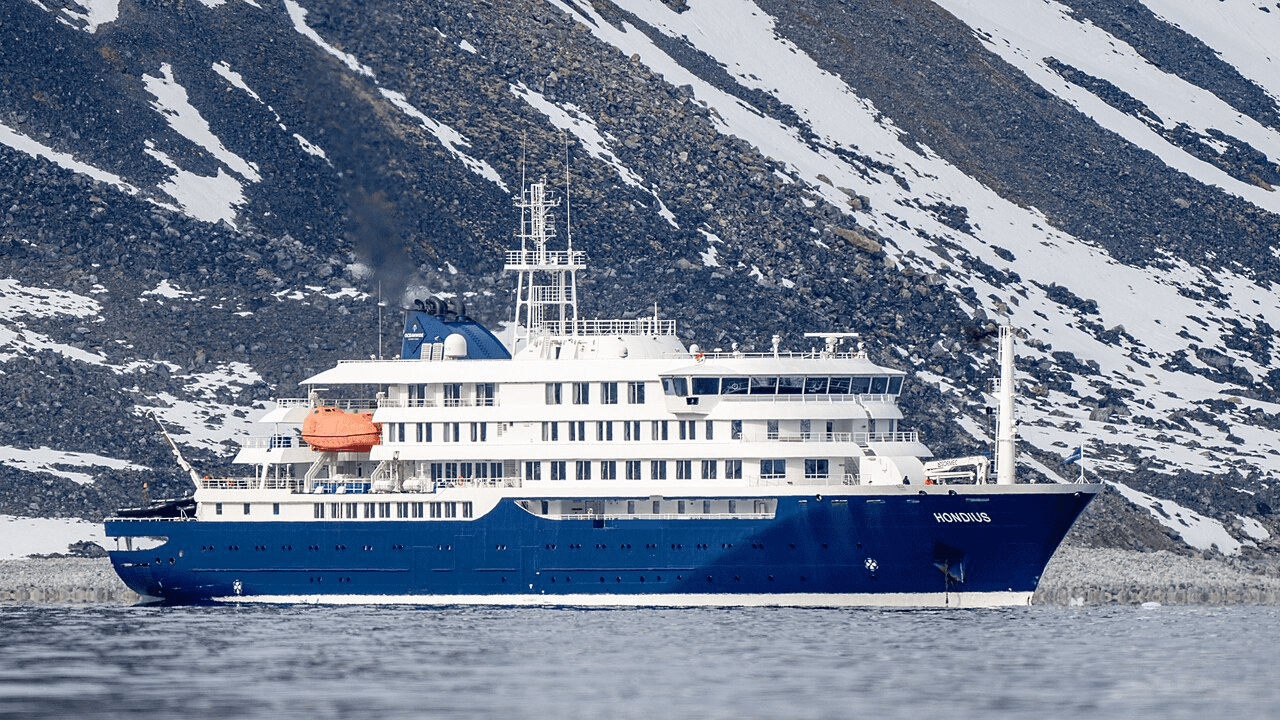
A hantavirus outbreak aboard the luxury cruise ship MV Hondius has resulted in confirmed cases among returning passengers, including one American and one French national, while dozens more await repatriation and monitoring. The ship, currently docked in Tenerife in Spain’s Canary Islands, has been the epicenter of an unprecedented virus incident involving international travelers.
The U.S. Department of Health and Human Services (HHS) confirmed on Sunday that one of 17 Americans evacuated from the vessel tested mildly positive for the Andes strain of hantavirus, while another displayed mild symptoms. Both were transported in biocontainment units, and all passengers are undergoing clinical assessments at the University of Nebraska’s federally funded quarantine facilities. The second symptomatic passenger has yet to be confirmed as infected.
French authorities also reported a case of a woman isolating in Paris, whose condition is reportedly deteriorating. French Health Minister Stéphanie Rist said 22 individuals who had close contact with her have been traced and are under observation.
International repatriations are underway, with more than 90 passengers set to return to their home countries. Spanish authorities report that 54 people, including six passengers four Australians, one Briton, and one New Zealander remain aboard the MV Hondius. Several passengers were scheduled to disembark for flights to the Netherlands on Monday, including Australians whose direct flights home could not be confirmed.
Three fatalities have already been recorded. An elderly Dutch man died on board on April 11, followed by his wife two days after disembarking in South Africa. A German woman passed away on the ship on May 2. Two of these cases have been confirmed to involve hantavirus.
Hantaviruses are primarily carried by rodents, but the Andes strain involved in this outbreak can, in rare cases, be transmitted from person to person. Symptoms include fever, extreme fatigue, muscle aches, stomach pain, vomiting, diarrhea, and shortness of breath. The World Health Organization (WHO) notes that the risk of a large-scale outbreak remains low, but has recommended a 42-day isolation period for anyone leaving the vessel.
Passengers and crew were observed wearing protective clothing, including gowns, face masks, and bouffant caps, as part of strict quarantine protocols when disembarking in Tenerife. International health authorities continue to coordinate evacuations, with countries including Spain, France, Australia, the Netherlands, Turkey, Canada, the UK, and Ireland arranging flights and medical monitoring for their citizens.
Also read: Iran Proposes Phased Deal to End War and Reopen Strait of Hormuz Amid Stalled US Talks
Expert Analysis / What This Means
The outbreak on the MV Hondius underscores the challenges of containing rare infectious diseases in highly mobile populations. Passengers on international cruises often visit multiple countries, increasing the complexity of containment and monitoring efforts.
For travelers, the immediate impact is heightened health surveillance and mandatory quarantine, potentially disrupting post-cruise plans and travel confidence. Airlines, ports, and cruise operators may face intensified safety protocols, adding operational and logistical burdens.
The cruise industry may see a temporary decline in bookings, particularly for voyages visiting South America, as the Andes hantavirus emerges as a rare but deadly risk. Historically, human-to-human transmission of this strain is uncommon, but fatalities aboard the Hondius highlight the severity when infection does occur.
Public health authorities must balance caution with communication. Officials like Dr. Jay Bhattacharya of the CDC emphasize that human-to-human transmission is rare, aiming to prevent panic while maintaining vigilance. Past outbreaks, such as SARS and COVID-19 on cruise ships, demonstrate the importance of swift containment and international cooperation.
The future consequence may include enhanced pathogen monitoring on cruise ships, mandatory reporting of pre-boarding excursions, and stronger coordination between WHO guidelines and national health policies, particularly for diseases with high lethality but low transmissibility.
Timeline of Events
- April 1: MV Hondius departs Ushuaia, Argentina.
- April 11: First passenger, an elderly Dutch man, develops symptoms and dies onboard.
- April 24: Dutch man’s wife disembarks at St. Helena; later dies in South Africa.
- May 2: German female passenger dies onboard; confirmed hantavirus case.
- May 10: U.S. confirms mild hantavirus case among repatriated passengers; international evacuations continue.
International Response and Repatriation
Countries have moved rapidly to isolate potentially infected passengers:
- United States: 17 citizens airlifted to Nebraska for quarantine and clinical assessment; one positive case in a biocontainment unit.
- France: One confirmed case with 22 contacts traced; patient in isolation in Paris.
- United Kingdom: 20 citizens flown to Manchester Airport, quarantined at Arrowe Park Hospital.
- Spain: 14 citizens quarantined in a military hospital; ongoing repatriation operations.
- Other nations: Australia, Netherlands, Turkey, Canada, and Ireland coordinating evacuations.
The ship’s crew, including Ukrainian nationals, remain onboard to facilitate its transfer to the Netherlands, where further quarantine measures will be enforced.
Also read: Karachi University Exams Halted as Faculty Strike Over Unpaid Dues Deepens Financial Crisis
Background Context
The Andes hantavirus, primarily found in rodents, is rare but potentially fatal in humans. This outbreak represents the first documented hantavirus transmission on a cruise ship. WHO investigations point to a birdwatching excursion in southern Argentina as a potential source for some of the early cases.
Health authorities emphasize low risk to the general public, noting that human transmission is largely confined to close contacts. The situation highlights the intersection of international travel, rare zoonotic diseases, and the challenges of global outbreak containment.