
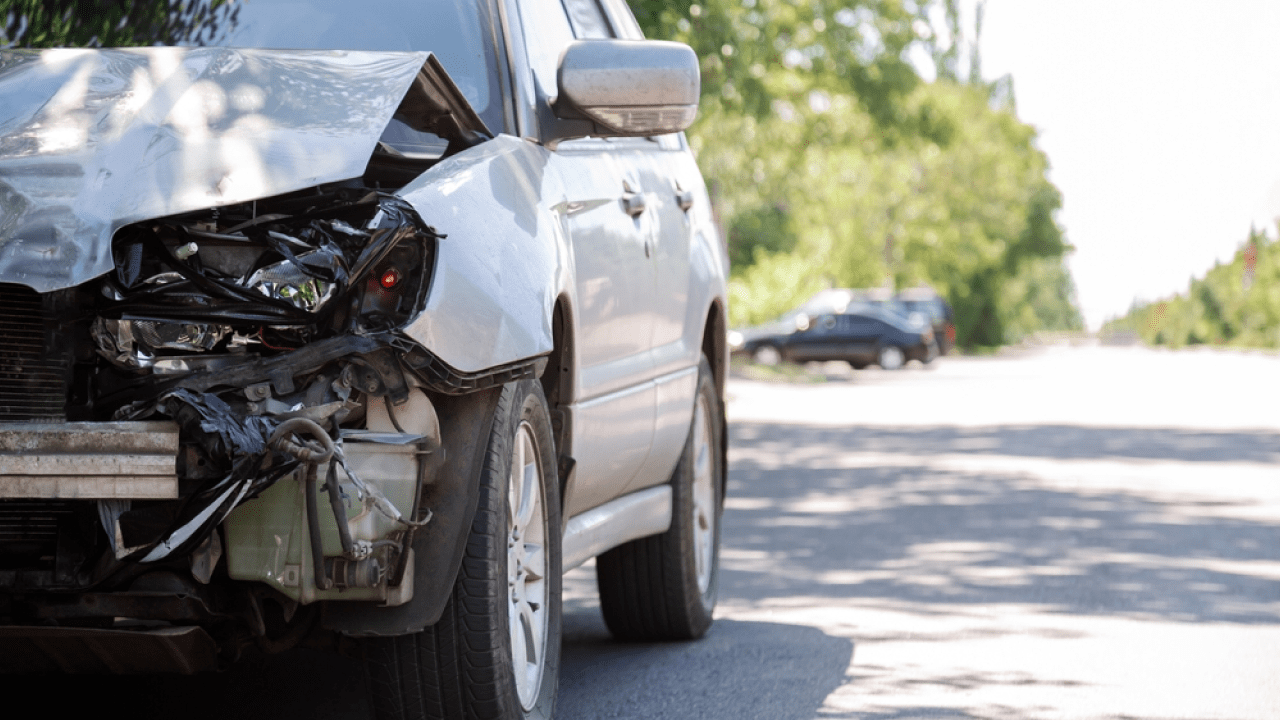
A Powai hit-and-run incident involving a speeding SUV left four pedestrians injured on Mumbai’s busy Jogeshwari-Vikhroli Link Road (JVLR) on Sunday evening, raising fresh concerns over reckless driving and road safety in the city. The accused, a 19-year-old college student from Kharghar, was later taken into custody after initially fleeing the scene and subsequently surrendering to police.
According to investigators, the incident occurred around 7:15 pm near Mahatma Phule Nagar in Powai, a densely populated area with heavy traffic flow connecting key arterial routes. Police said the driver, identified as Vikas Deep Sindhu (also referred to as Vishal Sindhu in some records), was allegedly driving a Hyundai Creta at high speed toward the Eastern Express Highway when he lost control of the vehicle, triggering a chain collision that injured multiple people.
Sequence of Events Leading to the Crash
Preliminary findings indicate that the vehicle first struck a motorcycle before veering into pedestrians walking along the roadside. Four individuals were injured in the collision: Manisha Sawant (45), Natha Sopan Pargaonkar (40), Ammachar Pande (40), and 13-year-old Dhanush Pande.
Sawant, who sustained significant injuries, was admitted to Sion Hospital, while the others were also rushed for medical treatment. Visuals of the injured circulating on social media suggested the severity of the impact, though officials confirmed that no fatalities have been reported.
Police sources noted that the driver fled the scene immediately after the crash without assisting the victims a critical factor that led to the hit-and-run classification of the case.
Also read: India’s Nationwide Emergency Alert Test Sparks Panic, Signals New Era in Disaster Communication
Driver’s Surrender and Police Action
Hours after the incident, the accused approached traffic police personnel near Vikhroli Parksite before formally surrendering at the Powai police station. He reportedly told authorities that he panicked after a pedestrian suddenly came in front of his car, leading to the loss of control.
An FIR has been registered under sections related to rash and negligent driving, and further legal proceedings are underway. Authorities have also conducted a blood test to determine whether the driver was under the influence of alcohol at the time of the incident. Initial observations suggest no immediate signs of intoxication, but officials are awaiting laboratory confirmation.
Senior police officials confirmed that the accused is currently in custody and that the investigation is ongoing.
Expert Analysis / What This Means
The Powai hit-and-run underscores a persistent urban safety challenge speeding on high-density connector roads like JVLR, where pedestrian movement remains high despite heavy vehicular traffic. Incidents like these reveal gaps in enforcement and infrastructure, particularly the lack of pedestrian safeguards such as barriers and crossings.
For commuters and residents, the case highlights the risks posed by inexperienced or reckless drivers navigating congested corridors. From an enforcement perspective, the driver’s decision to flee despite later surrendering raises questions about deterrence and accountability in hit-and-run cases.
The ongoing blood test investigation also reflects a growing reliance on forensic verification in road accident cases, moving beyond immediate assumptions. Comparatively, this incident follows closely on another recent hit-and-run in Powai involving sewer workers, suggesting a troubling pattern in the area.
If not addressed through stricter monitoring, surveillance, and traffic calming measures, such incidents could erode public confidence in road safety. Policymakers may now face increased pressure to implement stricter penalties and preventive urban planning interventions.
Also read: India Enforces Four-Bin Waste Segregation Rule Nationwide to Tackle Rising Pollution
Why This Matters
Mumbai’s JVLR is a critical east-west corridor connecting suburbs and major highways, often witnessing high-speed traffic despite mixed road usage by pedestrians, two-wheelers, and heavy vehicles. The latest accident once again exposes the dangers of inadequate speed regulation in such zones.
The involvement of a teenage driver also brings attention to driving discipline among young motorists, particularly those handling high-powered vehicles in congested urban environments. Road safety experts have repeatedly warned that lack of experience combined with high speed significantly increases the likelihood of severe accidents.
What Happens Next
Police are expected to complete the forensic analysis of the driver’s blood sample, which will play a crucial role in determining additional charges, if any. Statements from witnesses and victims are also being recorded to establish a detailed sequence of events.
Legal proceedings against the accused will depend on the severity of injuries and findings from the ongoing investigation. Authorities may also examine CCTV footage from the area to corroborate accounts and assess the speed and behavior of the vehicle prior to the crash.
Meanwhile, civic and traffic authorities could face renewed calls to enhance safety measures on JVLR, including stricter speed enforcement, improved lighting, and pedestrian infrastructure upgrades.
Background Context
This incident is the second reported hit-and-run case in Powai within a short span of time. In a recent case, a speeding vehicle injured three sewer workers before fleeing the scene, highlighting a recurring issue in the locality.
Experts point to a combination of high traffic density, inadequate enforcement, and urban design limitations as contributing factors. As Mumbai continues to expand, ensuring safer road-sharing between vehicles and pedestrians remains a critical challenge for city planners and law enforcement agencies alike.