
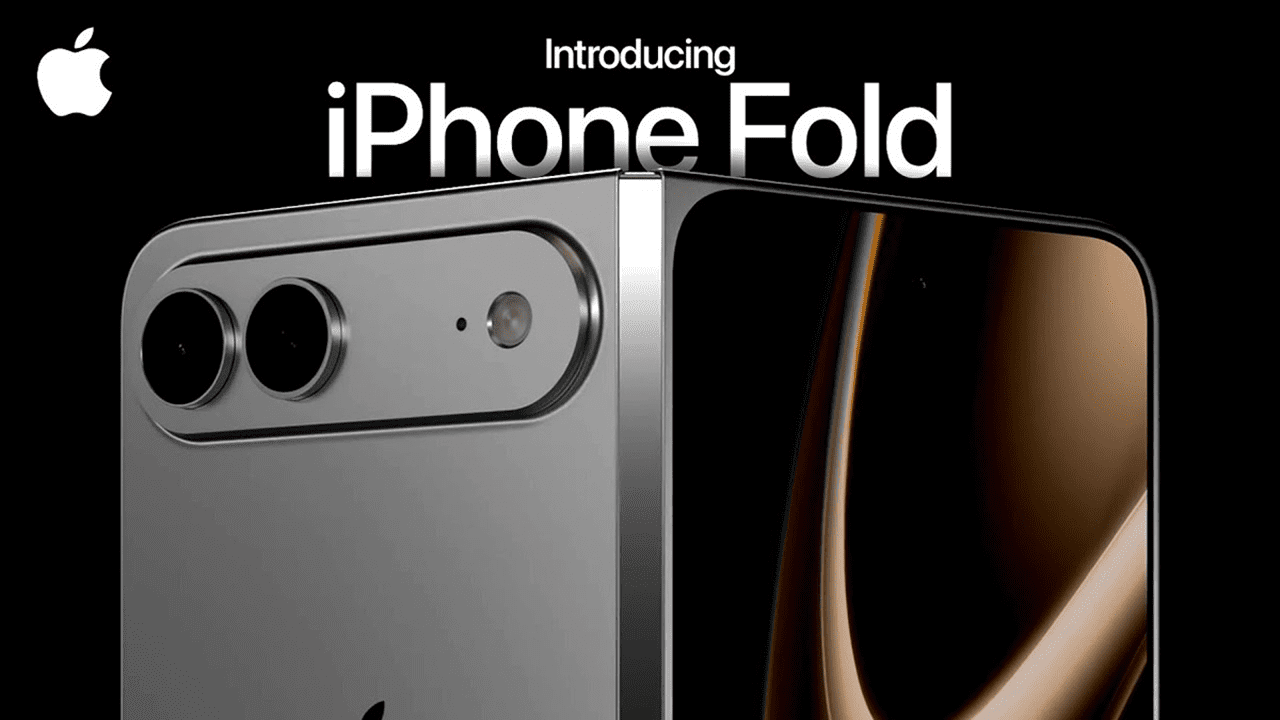
The long-rumored iPhone Fold is edging closer to reality, with multiple leaks and analyst reports suggesting Apple could unveil its first foldable smartphone as early as September 2026, alongside the iPhone 18 lineup. Positioned as a premium “Ultra” device, the foldable iPhone is expected to carry a price tag between $2,000 and $2,500, signaling Apple’s aggressive entry into the high-end foldables segment currently dominated by Samsung and other rivals.
While Apple has yet to confirm any details, a growing body of leaks paints a consistent picture, a book-style foldable device with a focus on display quality, durability, and performance. If the reports hold true, the iPhone Fold could represent one of the most significant hardware shifts in Apple’s smartphone lineup in years and potentially reshape the foldables market.
A Premium Foldable Built Around Display and Design
According to multiple leaks, the iPhone Fold will adopt a book-style folding design, similar to existing premium foldables, but with Apple’s own engineering refinements. The device is expected to feature a 5.5-inch outer display and a 7.8-inch inner OLED screen with a 4:3 aspect ratio, designed to enhance multitasking and media consumption.
One of the standout ambitions appears to be a virtually crease-free display, achieved through ultra-thin glass and advanced hinge engineering. Reports suggest Apple may incorporate liquid metal components or even chip-level 3D-printed hinge technology, aiming to improve durability while maintaining a slim profile.
In terms of dimensions, the device could measure around 4.5–4.8mm when unfolded and 9–9.6mm when folded, making it competitive with existing foldables. The build is expected to combine titanium and aluminium, reinforcing its premium positioning.
Color options are likely to remain minimal, with leaks pointing to variants such as dark grey/black and silver/white.
Performance, Battery, and Hardware Choices
Under the hood, the iPhone Fold is expected to run on Apple’s next-generation A20 Pro chipset, reportedly built on a cutting-edge 2nm process. This would place it at the forefront of mobile performance, particularly for AI-driven tasks tied to Apple Intelligence.
The device may include up to 12GB of RAM and storage options ranging from 256GB to 1TB, aligning it with top-tier flagship standards.
Battery capacity could be one of the biggest upgrades ever seen on an iPhone, with estimates ranging from 5,400mAh to 5,800mAh. This would surpass current iPhone models and address one of the common concerns around foldable devices battery life.
Connectivity-wise, Apple is expected to move further toward a portless future, with the iPhone Fold likely featuring an eSIM-only setup and a custom C2 modem, replacing Qualcomm components.
Cameras and Biometrics: A Shift in Apple’s Approach
Camera configurations remain somewhat inconsistent across leaks, but most reports agree on a dual 48MP rear camera system, combining wide and ultra-wide lenses. Some sources suggest a broader quad-camera setup, including additional front-facing sensors for both folded and unfolded modes.
On the front, the device could feature a 24MP camera, possibly using a punch-hole design on the outer display and an under-display solution for the inner screen.
In a notable departure from recent iPhones, Apple is expected to drop Face ID in favor of Touch ID integrated into the power button. This shift is likely due to the complexities of integrating TrueDepth sensors into a foldable form factor.
Pricing and Release Timeline
Pricing estimates consistently place the iPhone Fold in the $2,000–$2,500 range, with some analysts suggesting an average price near $2,400. This would make it one of the most expensive iPhones ever released.
While a September 2026 announcement is widely expected, availability may be delayed. Several reports indicate that shipments could begin in December, hinting at potential production challenges or supply chain constraints.
Industry Impact
Apple’s entry into the foldables market is expected to have immediate and far-reaching consequences. According to industry forecasts, the company could capture a significant share of the segment in its first year alone potentially accounting for over 20% of unit sales and more than 30% of market value.
This is largely due to Apple’s ability to command premium pricing and its strong ecosystem lock-in. Historically, Apple has entered categories later than competitors but rapidly gained dominance, as seen with the iPhone and AirPods.
The iPhone Fold could follow a similar trajectory, especially if it delivers on key user concerns such as durability, battery life, and software optimization.
Why This Matters
The launch of the iPhone Fold is more than just a new product it represents Apple’s long-awaited response to a category that has matured without it.
Foldable phones have evolved significantly in recent years, but adoption has remained niche due to high prices and durability concerns. Apple’s entry could validate the category for mainstream consumers, accelerating adoption and pushing competitors to innovate further.
Additionally, Apple’s focus on software optimization particularly multitasking on a larger screen could differentiate the iPhone Fold from rivals that rely heavily on hardware innovation alone.
What Happens Next
With months still remaining before any official announcement, the iPhone Fold remains firmly in the realm of speculation. However, the consistency across multiple leaks suggests that Apple’s first foldable device is nearing completion.
Key questions remain unanswered:
- Will Apple deliver a truly crease-free display?
- Can it justify the premium price point?
- And how will iOS evolve to fully utilize a foldable form factor?
If Apple succeeds, the iPhone Fold could redefine expectations for foldable smartphones and mark the beginning of a new era in mobile design.