
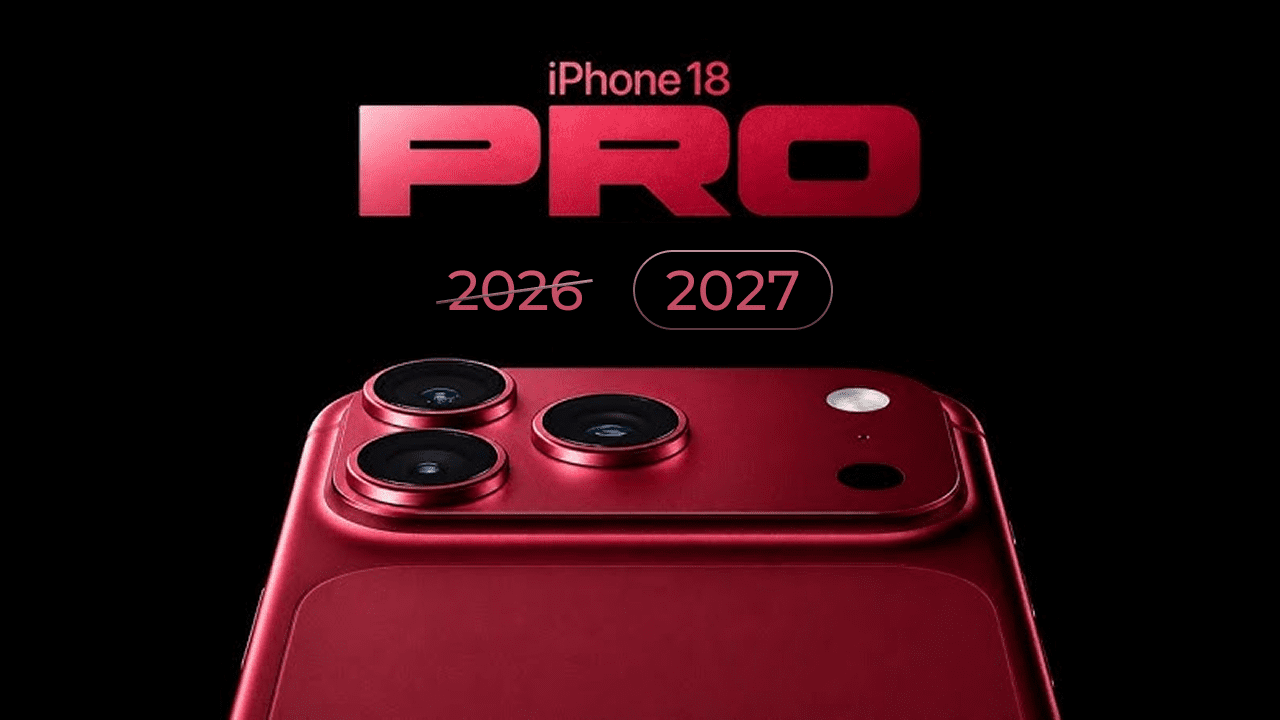
Apple appears poised to make one of the most significant changes to its iPhone release strategy in more than a decade, with growing evidence suggesting that the standard iPhone 18 will not arrive in 2026 alongside the company’s premium flagship devices. Instead, the iPhone 18 launch may be pushed to early 2027, marking a departure from Apple’s long-standing annual September rollout model.
The latest indication comes from Apple supply chain partner Largan Precision, a key manufacturer of camera lenses used in iPhones. During the company’s annual shareholders’ meeting, chairman Lin En-ping revealed that a major U.S. customer had delayed the launch of a new product until the first quarter of 2027. While Apple was not named directly, industry observers have linked the comments to recent reports that the standard iPhone 18 will be separated from the launch schedule of Apple’s premium devices.
If the reports prove accurate, Apple would introduce the iPhone 18 Pro, iPhone 18 Pro Max, and its long-rumored foldable iPhone later this year, while holding the standard iPhone 18 for a spring 2027 debut.
The development would represent the first intentional split in Apple’s flagship iPhone release cycle since the company standardized its annual autumn launch strategy with the iPhone 4S in 2011.
Also read: Apple iPhone 18 Pro Leak Points to New Dark Cherry Finish as Pricing Rumors Offer Mixed Outlook
A New Two-Phase iPhone Release Strategy
Industry reports indicate Apple is preparing to divide future iPhone launches into two distinct release windows.
Under the proposed strategy, premium models would continue launching during Apple’s traditional September event, while more affordable devices would arrive several months later. The spring 2027 lineup is expected to include the standard iPhone 18, the iPhone 18e, and a second-generation iPhone Air.
Such a shift would allow Apple to spread product launches across the calendar year rather than concentrating them into a single event. As the company’s smartphone portfolio expands, staggering releases could help simplify production planning, improve inventory management, and create multiple sales cycles throughout the year.
The move would also increase attention on Apple’s higher-margin premium devices during the critical holiday shopping season.
Also read: Apple CEO Transition Signals Strategic Reset as Tim Cook Steps Down After Transformative Era
Why Supplier Comments Matter
What makes the latest development particularly notable is the source of the information.
Apple is known for maintaining strict secrecy around future products, and suppliers rarely disclose information that could hint at upcoming launch plans. Public comments regarding future Apple devices are uncommon, making Largan Precision’s remarks especially significant.
As Apple’s primary supplier of iPhone camera lenses, Largan occupies a central position within the company’s manufacturing ecosystem. Although the supplier did not identify Apple by name, the timing and context of the comments closely align with months of speculation surrounding changes to the iPhone 18 release schedule.
For analysts tracking Apple’s product roadmap, the comments serve as one of the strongest indirect signals yet that the company may indeed be preparing to alter its launch strategy.
Expert Analysis / What This Means
The potential delay of the standard iPhone 18 could have implications far beyond Apple’s product calendar.
For consumers, the most immediate impact is timing. Buyers who typically upgrade to Apple’s standard flagship model may face a longer wait between generations, potentially extending the lifespan of current devices and slowing upgrade cycles.
From a business perspective, the strategy could help Apple maximize sales of premium devices by giving the Pro lineup an exclusive spotlight during the holiday season. Without a standard model launching simultaneously, customers looking for the latest iPhone may be more inclined to choose higher-priced variants.
The change could also improve manufacturing efficiency by reducing production bottlenecks associated with launching multiple devices at once. As Apple’s portfolio grows to include foldable devices and additional product tiers, spreading launches across the year may become increasingly necessary.
The strategy mirrors broader trends within the smartphone industry, where manufacturers are seeking new ways to sustain consumer interest throughout the year rather than relying on a single flagship release event.
If successful, the move could reshape how Apple approaches hardware launches for years to come and potentially influence competitors to revisit their own product schedules.
Also read: Apple’s First Foldable iPhone Nears Launch: Expected Price, Features, and Market Impact
Industry / Market Impact
A spring launch for the iPhone 18 would create a different competitive landscape in the global smartphone market.
Historically, Apple’s flagship launches have occurred months before Samsung unveils its next-generation Galaxy S series devices. A spring 2027 arrival for the standard iPhone 18 would place it much closer to Samsung’s expected Galaxy S27 release window, creating a more direct head-to-head battle for consumer attention.
The revised schedule could also help Apple maintain momentum during a period that has traditionally lacked major smartphone launches from the company. Instead of relying on one annual sales surge, Apple could benefit from two distinct product cycles each year.
Investors and supply chain partners may also welcome a more balanced production schedule that reduces pressure on manufacturing operations during peak launch periods.
Also read: Apple iPhone 17e Rumored to Bring MagSafe and A19 Chip at Mid-Range Price
Background Context
Rumors of a split iPhone launch strategy have circulated for months, driven by reports that Apple is expanding its smartphone lineup.
Alongside the standard iPhone and Pro models, the company is reportedly preparing a foldable iPhone and continuing to develop additional product categories such as the iPhone Air and iPhone e series. Managing a six-device portfolio under a single launch window presents increasing logistical challenges.
Current reports suggest the standard iPhone 18 may not receive major design changes. Expectations point toward incremental upgrades, including a newer processor and additional memory, while retaining a design language similar to its predecessor.
That limited hardware evolution may have also contributed to Apple’s willingness to separate the launch timetable, allowing premium innovations to take center stage during the company’s flagship event.
What Happens Next
Apple has not officially confirmed any changes to its iPhone launch schedule, and the company is unlikely to comment publicly before future product announcements.
However, attention will now turn to upcoming supply chain reports and analyst forecasts for further confirmation. If the current timeline holds, consumers can expect Apple’s premium iPhone lineup and first foldable smartphone to debut later this year, with the standard iPhone 18 following in the first quarter of 2027.
Should the strategy become permanent, it would mark one of the most significant changes to Apple’s iPhone business model since the company established its modern launch cadence more than a decade ago.