
Google has officially begun rolling out Android 17 to eligible Pixel devices, marking one of the company’s most significant software releases of the year. Alongside the new operating system, the June Pixel Drop introduces dozens of bug fixes, performance enhancements, security upgrades, and new productivity features aimed at improving the overall Android experience.
The Android 17 rollout starts with Pixel smartphones and tablets, including devices from the Pixel 6 series onward, Pixel Fold models, Pixel Tablet, and the latest Pixel 10 lineup. Other Android manufacturers are expected to begin distributing Android 17 to supported devices throughout 2026.
The update is particularly notable because it combines major user-facing innovations with an extensive list of under-the-hood improvements addressing long-standing issues affecting battery performance, charging, camera stability, connectivity, system reliability, and user interface responsiveness.
Also read: Google Wallet’s Biggest Upgrade Yet Could Finally Kill SMS Codes at Checkout
Android 17 Introduces New Productivity and Multitasking Features
One of the headline additions in Android 17 is Bubbles, a new multitasking feature that allows users to transform apps into floating windows. By long-pressing an app icon, users can launch applications in compact overlays that remain accessible while using other apps.
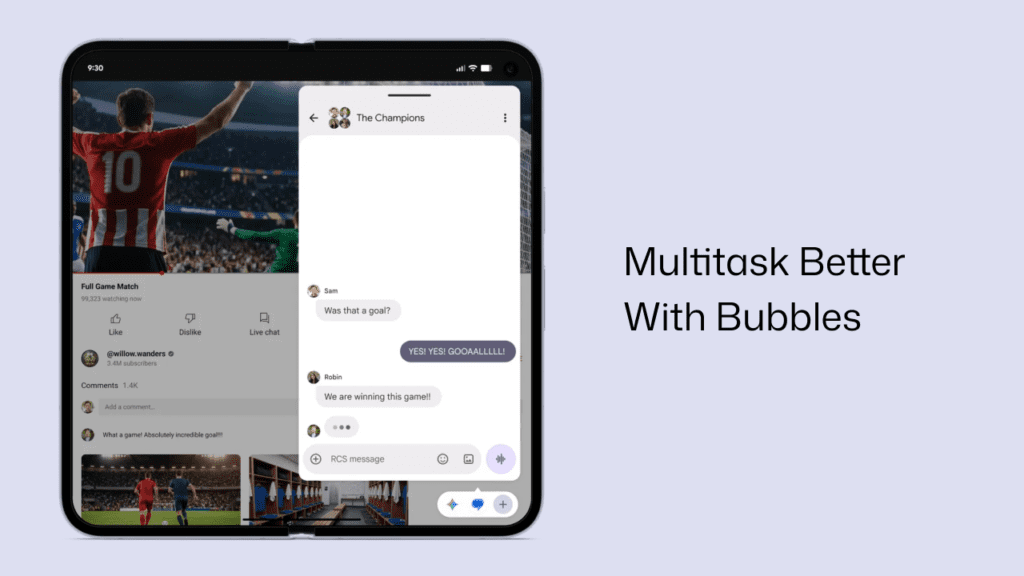
For larger-screen devices such as foldables and tablets, Android 17 adds a dedicated Bubble Bar positioned at the bottom of the display. The feature enables users to switch quickly between multiple apps, resize windows, and maximize them when needed, creating a desktop-like multitasking experience.
Google is positioning Bubbles as a productivity tool for work, travel, and entertainment, allowing users to reference maps, notes, tutorials, and live information without constantly switching between applications.
Another notable addition is Screen Reactions, which enhances Android’s screen-recording capabilities. Users can now simultaneously record their screen and front-facing camera feed, making it easier to create reaction videos, tutorials, demonstrations, and social content directly from the device.
Also read: Google Unveils Gemini Intelligence Strategy to Transform Android Into an AI-First Ecosystem
Foldables and Gaming Receive Special Attention
Android 17 also introduces new features tailored for foldable devices and mobile gaming.

A new foldable gaming mode utilizes the larger displays found on foldable phones by dividing the screen into a 50/50 layout. The game occupies the upper half of the display while a dynamic virtual controller appears on the lower portion.
Google has also added native controller remapping support, giving players greater flexibility when using external gaming accessories. In addition, improvements to memory management are designed to reduce frame drops and gameplay stutters during demanding gaming sessions.
These changes highlight Google’s continued focus on optimizing Android for emerging device categories beyond traditional smartphones.
Also read: Apple and Google Launch End-to-End Encrypted RCS Messaging Across iPhone and Android
Security and Privacy Take Center Stage
Security remains a major focus of Android 17.
The update introduces more granular privacy controls, allowing users to grant temporary access to precise location data and selectively share contacts instead of exposing an entire address book to an application.
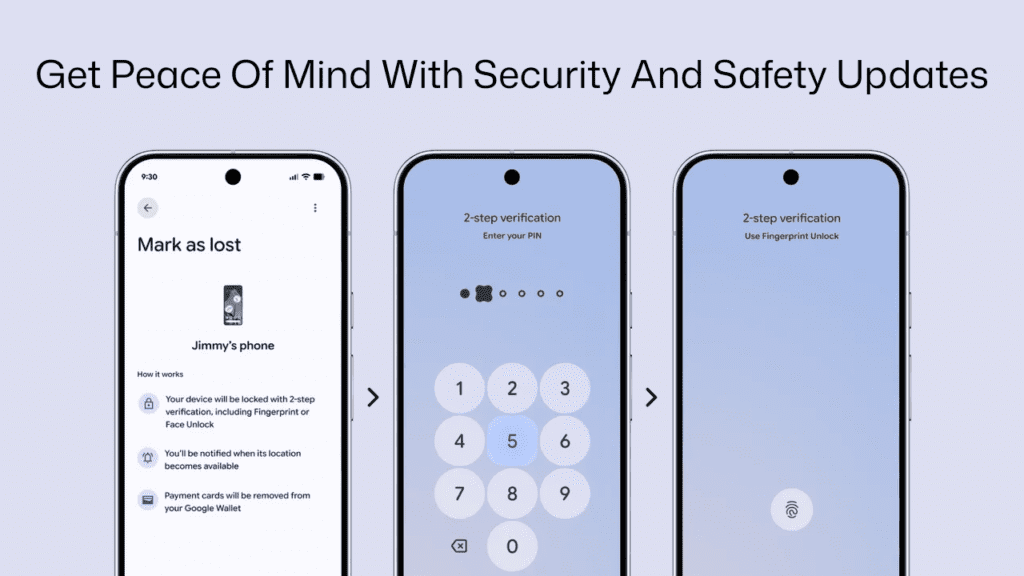
Google has also strengthened its anti-theft protections. The enhanced “Mark as Lost” functionality in Find Hub enables users to secure a missing device using biometric verification, making it significantly harder for unauthorized individuals to access personal information or disable tracking features.
Additional protections include improvements to Live Threat Detection, stronger safeguards within Advanced Protection mode, stricter PIN-guessing limitations, and increased delays after repeated failed login attempts.
The expanded parental control framework is also being extended more broadly across Android devices.
Also read: Google Teases Major Android Overhaul Ahead of May 12 Showcase
June Pixel Drop Delivers Extensive Stability Fixes
While Android 17 brings new features, the June Pixel software update may be equally important for existing users due to the sheer number of bug fixes included.
Google addressed issues affecting nearly every major component of the Pixel ecosystem.
The update resolves camera-related crashes, zoom-related freezing during video recording, and service failures that could impact overall system stability. Charging improvements address wireless charging slowdowns between certain battery levels and initialization failures affecting charging systems during startup.
Display fixes target graphical glitches, screen flickering, freezing problems when connecting external displays, and black-screen incidents. Bluetooth audio stability has also been improved to eliminate performance delays and unexpected behavior.
The update further tackles memory leaks, launcher crashes, lock-screen issues, notification bugs, GPS accuracy concerns during voice calls, Face Unlock failures, unexpected reboots, SIM management problems, and network connectivity interruptions.
Google says the release also includes battery-life optimizations and overall performance improvements across supported Pixel devices.
Pixel-Exclusive AI Features Expand
Beyond Android 17 itself, Pixel users are receiving additional AI-powered enhancements through the June Pixel Drop.
Google is expanding capabilities within Gemini, including access to the new Gemini Omni model, which can generate videos from text prompts. The company is also introducing Lyria 3-powered music generation tools, allowing users to create music through text-based instructions.
These additions further strengthen Google’s strategy of integrating generative AI directly into the Pixel ecosystem while differentiating its devices from competing Android smartphones.
Expert Analysis / What This Means
Android 17 represents a shift toward refining the Android experience rather than relying solely on dramatic visual redesigns. While features like Bubbles and Screen Reactions improve usability, the broader significance lies in Google’s focus on reliability, security, and AI integration.
For users, the extensive list of bug fixes may have a greater day-to-day impact than any single new feature. Addressing crashes, charging inconsistencies, display glitches, and connectivity problems directly improves device longevity and user satisfaction.
For the Android ecosystem, Android 17 demonstrates Google’s growing emphasis on large-screen devices, foldables, and multitasking. The dedicated Bubble Bar and foldable gaming features signal continued investment in alternative form factors as the smartphone market matures.
The security upgrades arrive at a time when mobile threats are becoming increasingly sophisticated, making stronger anti-theft and privacy protections particularly relevant.
Meanwhile, the deeper integration of Gemini AI capabilities suggests Google’s future Android strategy will increasingly revolve around proactive, AI-assisted experiences rather than traditional app-centric workflows.
Compared with previous Android releases that focused heavily on visual changes, Android 17 appears designed to strengthen the platform’s foundation while preparing users for a more AI-driven mobile future.
Industry / Market Impact
The Android 17 launch places additional competitive pressure on smartphone manufacturers to accelerate software support and feature adoption.
As Google introduces advanced multitasking, foldable optimizations, and AI-powered content creation tools, rival Android vendors may be forced to enhance their own software ecosystems to remain competitive.
The update also reinforces the strategic importance of foldable devices, an area where Google is increasingly positioning Android as the preferred platform.
What Happens Next
The rollout of Android 17 is beginning in phases and will continue over the coming weeks for supported Pixel devices.
Google has indicated that additional Android manufacturers will distribute the operating system to eligible devices throughout 2026.
Several announced features, including some advanced Gemini Intelligence capabilities, are expected to arrive later this summer on select high-end devices, suggesting Android 17’s feature set will continue expanding after the initial release.
Background Context
Android 17 follows Google’s broader push to unify AI, productivity, and device security across its ecosystem. The company previewed many of the operating system’s features during its Android-focused announcements earlier this year.
The June Pixel Drop continues Google’s established practice of delivering quarterly feature updates that supplement major Android releases with exclusive Pixel enhancements, bug fixes, and new AI experiences.