
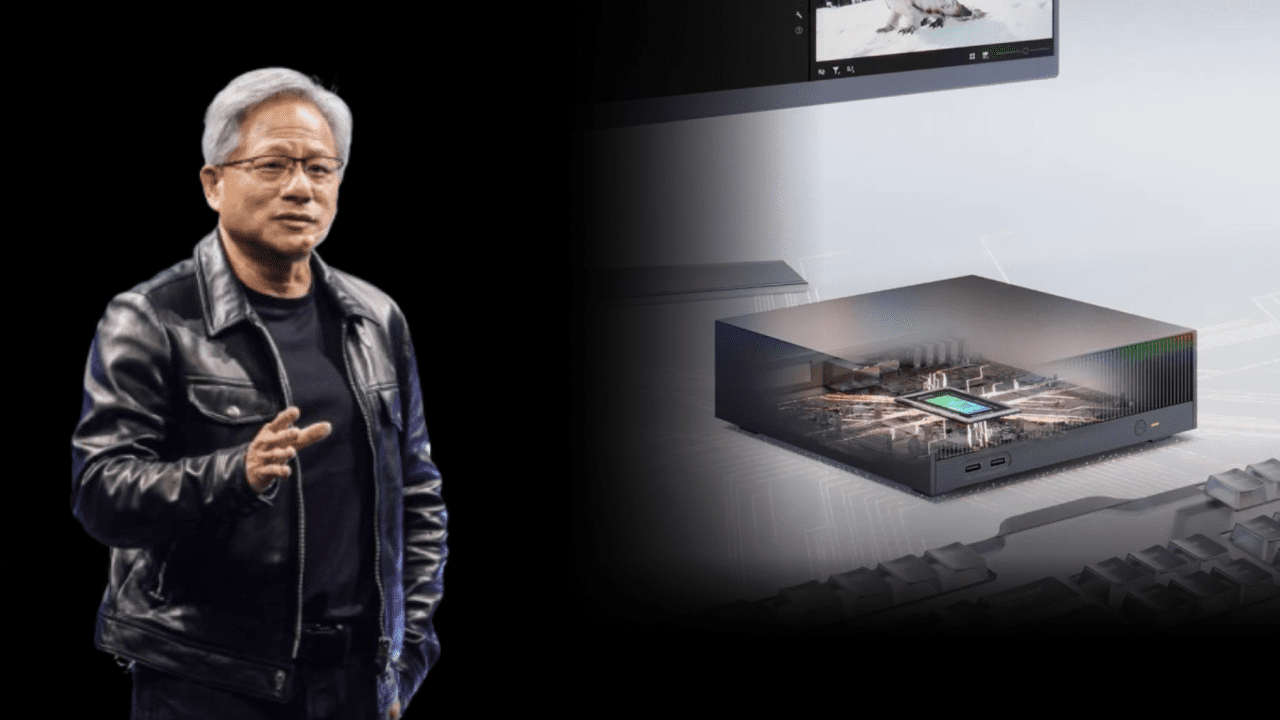
Nvidia and Microsoft have announced a major overhaul of the personal computer with the introduction of RTX Spark, a new AI-focused computing platform designed to bring advanced AI agents directly onto Windows devices. Unveiled during Nvidia’s keynote in Taiwan, the RTX Spark platform combines Nvidia’s latest graphics and AI technologies with a new Arm-based processor architecture, marking one of the most significant shifts in PC design in decades.
The launch represents Nvidia’s most ambitious push yet beyond its dominant data center AI business and into the mainstream PC market. By integrating powerful AI processing capabilities directly into laptops and desktops, Nvidia and Microsoft aim to transform PCs from traditional productivity tools into intelligent systems capable of executing complex tasks autonomously while maintaining user privacy and security.
The first RTX Spark-powered devices are scheduled to arrive this fall from major manufacturers including ASUS, Dell, HP, Lenovo, Microsoft Surface and MSI, with additional systems from Acer and GIGABYTE expected later.
Also read: Apple’s macOS 27 Set to Refine Liquid Glass Design and Supercharge AI Features
A New Computing Architecture Built for AI
At the heart of RTX Spark is Nvidia’s newly introduced Arm-based N1X processor, developed in collaboration with MediaTek and integrated with a Blackwell RTX graphics processor. Together, they form a single superchip capable of delivering up to one petaflop of AI computing performance.
The platform includes up to 128GB of unified memory, enabling users to run advanced AI workloads locally without depending entirely on cloud infrastructure. According to Nvidia, the system can support large language models with up to 120 billion parameters and context windows reaching one million tokens.
Nvidia CEO Jensen Huang described the development as a fundamental shift in personal computing, comparing its potential impact to the transition from traditional mobile phones to smartphones.
The company plans to launch more than 30 laptop models and approximately 10 desktop systems based on the new architecture during the initial rollout phase.
Also read: Microsoft Warns of Explosive Rise in QR Code Phishing as Global AiTM Campaign Hits 35,000 Users
Bringing AI Agents Directly to Windows
A key feature of RTX Spark is its focus on “personal AI agents”, software assistants capable of carrying out multi-step tasks, interacting with applications, searching files, generating content and automating workflows.
To support these capabilities, Nvidia and Microsoft have jointly developed new Windows-native security and containment technologies alongside Nvidia OpenShell, a runtime environment designed to give users control over how AI agents operate on their devices.
The framework introduces identity management, policy controls and privacy safeguards intended to allow AI agents to function securely while protecting sensitive user data. OpenShell can also determine whether requests should be processed locally or sent to cloud-based models based on privacy preferences.
Developers behind projects such as OpenClaw and Hermes Agent have already announced plans to leverage the new Windows-native infrastructure.
Microsoft CEO Satya Nadella said the long-term goal is to deliver what he described as “unmetered intelligence” to users through the Windows ecosystem.
Also read: Apple and Google Launch End-to-End Encrypted RCS Messaging Across iPhone and Android
Creators and Gamers Among Early Targets
While AI functionality is central to RTX Spark, Nvidia is also positioning the platform as a high-performance solution for creators and gamers.
The company says users will be able to render massive 3D scenes exceeding 90GB, edit 12K video content, generate AI-powered video and run advanced image-generation workflows on portable systems.
Gaming remains another focus area. Nvidia claims RTX Spark devices will support AAA gaming at 1440p resolution with frame rates exceeding 100 frames per second while leveraging technologies such as ray tracing, DLSS and Reflex.
More than 100 software and game developers are already supporting the platform, including companies involved in content creation, AI development and gaming.
Also read: Apple Blocks $2.2 Billion in App Store Fraud as AI-Powered Threats Surge Globally
Adobe Rebuilds Key Creative Applications for RTX Spark
One of the most notable software partnerships announced alongside RTX Spark involves Adobe.
Adobe is redesigning portions of Photoshop and Premiere Pro to take advantage of the new hardware architecture. Nvidia says the optimizations could deliver up to twice the performance for AI-assisted creative tasks, editing, effects processing and rendering.
The updated applications will utilize RTX Spark’s unified memory structure and AI acceleration technologies to improve responsiveness and enable more advanced AI-driven workflows.
Adobe also plans to integrate AI agents into future versions of its creative software, allowing users to automate repetitive tasks and collaborate with intelligent assistants during content creation.
Also read: Google Wallet’s Biggest Upgrade Yet Could Finally Kill SMS Codes at Checkout
Expert Analysis / What This Means
The RTX Spark launch signals a broader shift in the technology industry from cloud-dependent AI toward hybrid and on-device intelligence. For users, this could mean faster response times, improved privacy and reduced reliance on internet connectivity for advanced AI features.
For Microsoft, the partnership strengthens Windows’ position in the emerging AI PC market, an area that has become increasingly competitive as Apple expands its Arm-based ecosystem and Qualcomm pushes AI-powered Windows hardware.
Nvidia’s entry into PC processors also introduces a new competitive challenge for Intel and AMD, both of which have long dominated traditional PC architectures. The move further accelerates industry adoption of Arm-based computing, which offers greater power efficiency and improved battery life.
The emphasis on AI agents suggests that future PCs may evolve beyond launching applications and instead become systems capable of understanding goals, executing tasks and coordinating workflows independently.
If successful, RTX Spark could become a foundational platform for the next generation of AI-native personal computing, much as smartphones redefined mobile technology over the past two decades.
Industry / Market Impact
The RTX Spark announcement arrives at a time when the global PC industry is undergoing significant transformation due to the rapid rise of artificial intelligence.
Nvidia believes the market for CPUs and AI-enabled computing platforms could expand into a $200 billion opportunity. By entering the PC processor space, the company is positioning itself to capture a larger share of AI infrastructure beyond data centers.
The launch also reflects a growing industry trend toward Arm-based processors. Apple’s transition to its own silicon, Qualcomm’s AI PC initiatives and reports of future Arm-based products from other chipmakers indicate a broader shift away from traditional x86 architectures.
What Happens Next
RTX Spark-powered laptops and desktops are expected to begin shipping this fall, initially targeting creators, developers and gaming enthusiasts.
Microsoft is expected to reveal additional details regarding Windows agent capabilities and security frameworks during upcoming developer events. Meanwhile, Nvidia plans to release more detailed performance benchmarks closer to commercial availability.
The success of RTX Spark will likely be measured not only by hardware sales but also by how effectively developers embrace AI agents and new software experiences designed specifically for the platform.
Timeline of Events
- 2023: Reports emerge that Nvidia is developing an Arm-based PC processor in collaboration with Microsoft.
- Early 2025: Nvidia expands its AI infrastructure strategy with new CPU initiatives for data centers.
- Computex 2025: Nvidia officially unveils the N1X processor and RTX Spark platform.
- Fall 2025: First RTX Spark laptops and desktops scheduled for launch.
- Beyond 2025: Expansion into additional device categories and broader AI-native Windows experiences expected.