
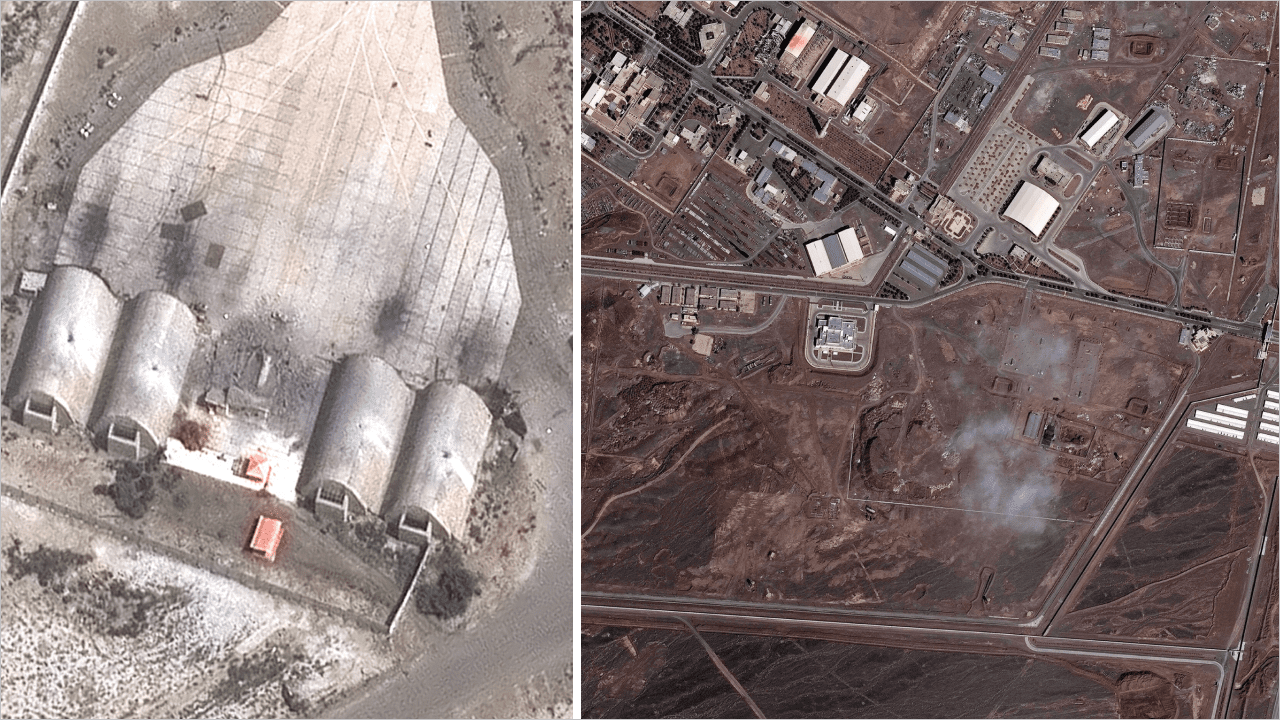
Satellite imagery captured in recent days paints a stark picture of the growing destruction across Iranian military and nuclear sites, following an intense series of airstrikes carried out by the United States and Israel. Key facilities, including Iran’s Natanz nuclear plant, the Choqa Balk-e drone base, and several military installations along the Gulf of Oman, have sustained significant damage, as hostilities in the Middle East intensify. The strikes, marking a new phase of the Israel-Iran conflict, have far-reaching implications for the region’s security and nuclear ambitions. These developments follow a high-stakes operation, dubbed Epic Fury, which has already claimed hundreds of lives and escalated the risk of broader regional warfare.
Also read: Fire at Fujairah Oil Storage in UAE Amid Rising Tensions in Middle East
Satellite Evidence of Destruction at Iran’s Natanz Nuclear Facility
One of the most heavily targeted sites in the strikes has been Iran’s Natanz nuclear facility, located approximately 220 kilometers southeast of Tehran. Satellite images taken earlier this week by Vantor, a Colorado-based imaging firm, show clear signs of damage to several key buildings within the complex, which is central to Iran’s uranium enrichment efforts.
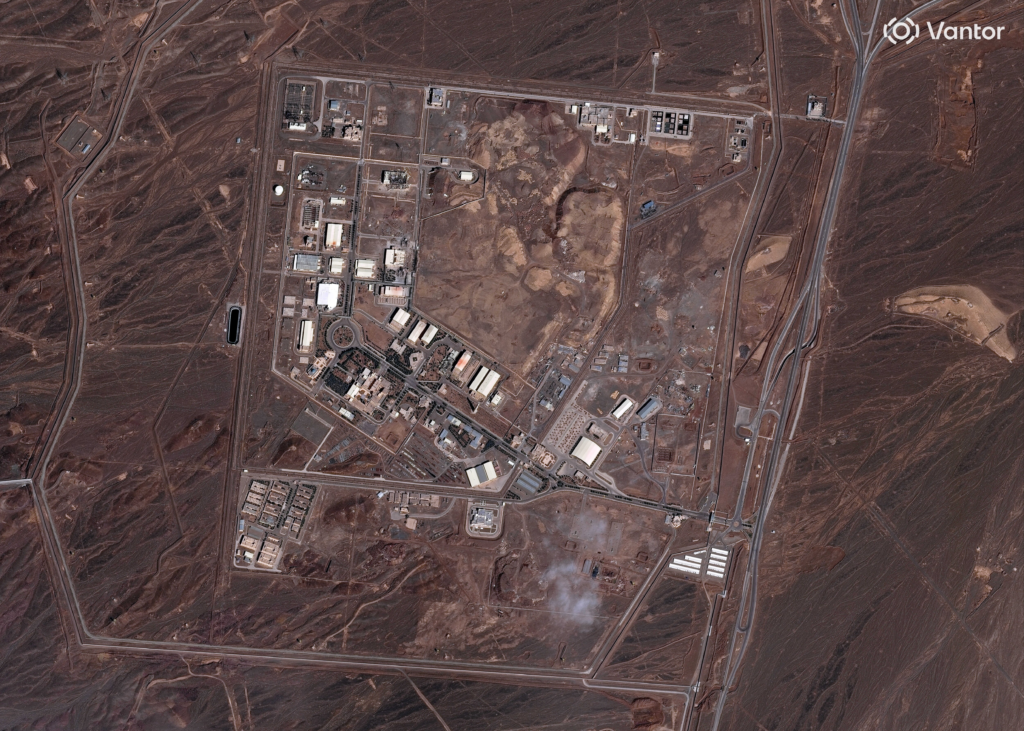
While the International Atomic Energy Agency (IAEA) confirmed some structural damage to the facility, it reassured that there were no radiological consequences from the attacks. Experts suggest that the precision of the strikes was aimed at the underground centrifuge halls and access points, which could severely disrupt Iran’s ability to enrich uranium, even if the underground enrichment plant itself remains intact.
This is not the first time Natanz has been a target. Previous airstrikes during the June 2025 Iran-Israel war, as well as US airstrikes in earlier conflicts, have struck the facility. However, the latest damage seems more extensive, signaling the continued determination of the US and Israel to neutralize Iran’s nuclear capabilities. Despite earlier claims by former President Donald Trump that Iran’s nuclear infrastructure had been “obliterated,” recent events indicate that Tehran may have been working to rebuild critical elements of its nuclear program.
Damage to Iran’s Military Infrastructure
The scope of the destruction extends well beyond Natanz. Satellite images have also revealed extensive damage to Iranian military sites, including airbases, drone facilities, and naval installations. The Epic Fury operation, which saw the US strike over 1,250 targets in just two days, has left a visible impact on strategic facilities across the country.
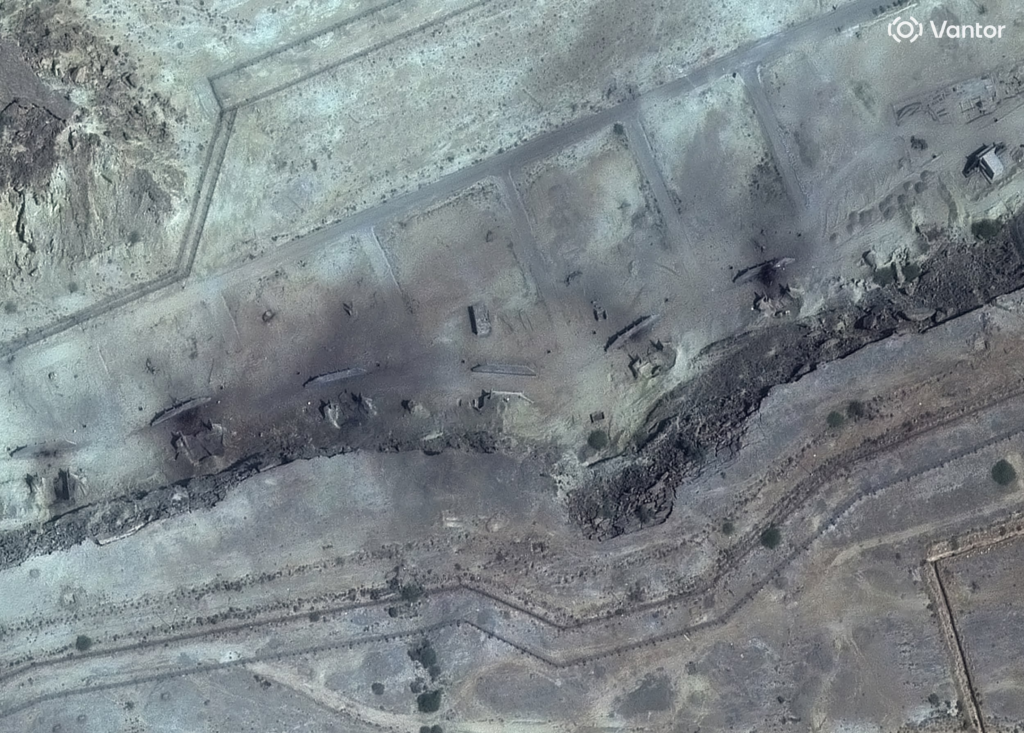
In western Iran, the Choqa Balk-e drone facility, known for housing Shahed-136 kamikaze drones, has sustained significant damage. These drones, which are designed to detonate upon impact, have been a critical component of Iran’s asymmetric warfare strategy. Satellite imagery indicates collapsed structures and debris scattered across the facility, rendering parts of it inoperable.
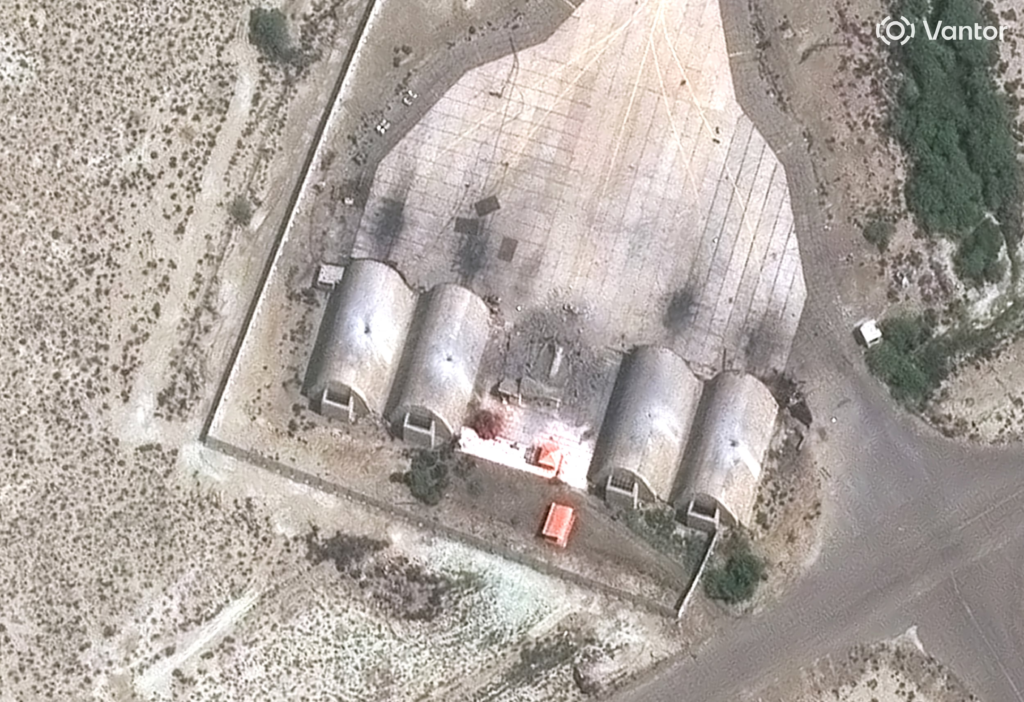
Moreover, damage at the Konarak Airbase, located near the Gulf of Oman, includes burn marks on hardened aircraft shelters, a sign that key military assets may have been targeted. Nearby, naval assets at a coastal military site were also struck, with visible damage to docking infrastructure and at least two vessels in the harbor.
Retaliation and Escalation
As the US-Israel strikes continue, Iran has vowed retaliation. In response to the damage inflicted on its military and nuclear assets, Tehran has launched ballistic missile attacks toward Israel and its allies in the Gulf region. The situation has led to heightened fears of a broader conflict engulfing the Middle East, particularly as Lebanese Hezbollah, a key Iranian ally, has also claimed responsibility for strikes against Israel.
At least 800 individuals have been reported dead in Iran, with further casualties in Israel and the US, where six American service members have been killed. The United Nations has called for restraint, as diplomatic efforts intensify to avoid a full-scale regional war. However, the damage to critical infrastructure raises questions about the future trajectory of the conflict and Iran’s capacity to continue its nuclear ambitions.
Why This Matters: The Broader Regional and Global Impact
The ongoing conflict between Iran, Israel, and the US is more than just a bilateral issue. The targeting of Iran’s nuclear facilities has significant ramifications for global nonproliferation efforts. A disrupted nuclear program could delay Iran’s progress toward acquiring a nuclear weapon, but the damage also risks further isolating the country from international oversight and cooperation, complicating efforts to bring Iran back into compliance with the Joint Comprehensive Plan of Action (JCPOA), the nuclear deal that was abandoned by the US in 2018.
Moreover, the strikes on military facilities underscore the fragility of regional stability. Iran’s military capabilities, including its drone fleet and missile technology, have made it a formidable actor in the region. As the US and Israel intensify their efforts to dismantle Iran’s security apparatus, the potential for wider involvement from other nations grows, particularly as proxy groups like Hezbollah enter the fray.
Timeline of Events: A Rapid Escalation
- June 2025: Israel and Iran engage in a series of strikes, including attacks on the Natanz facility.
- January 2026: US and Israeli forces launch coordinated airstrikes on multiple Iranian military and nuclear sites.
- Sunday-Monday (March 2026): Operation Epic Fury is launched, targeting over 1,250 sites in Iran.
- March 2026 (Present): Iran retaliates with missile strikes on Israel, escalating hostilities and fears of a regional war.
Conclusion: What Happens Next?
The fate of the region hangs in the balance as military strikes continue to devastate key infrastructure in Iran. The immediate aftermath is marked by significant damage to nuclear and military assets, but the long-term consequences remain uncertain. With Iran promising further retaliation and international powers striving to contain the fallout, the world watches closely as this high-stakes conflict unfolds.