
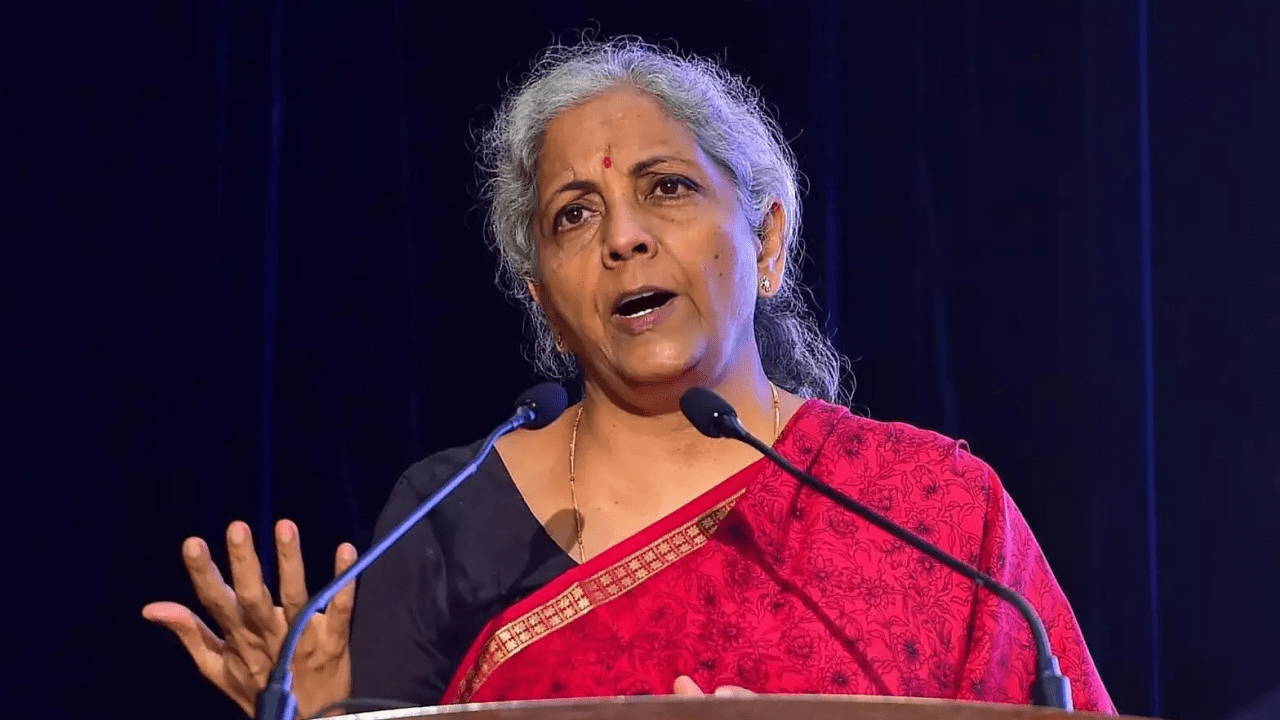
The Bharatiya Janata Party (BJP) on Tuesday released its manifesto for the upcoming Assam Assembly elections, outlining an ambitious roadmap that includes ₹5 lakh crore in infrastructure investments, legal reforms such as a Uniform Civil Code, and strong measures to protect the rights, land, and identity of indigenous communities. The announcement, made in Guwahati by Union Finance Minister Nirmala Sitharaman, comes just days ahead of voting scheduled for April 9 across 126 constituencies, with results to be declared on May 4.
Branded as the party’s ‘Sankalp Patra’, the manifesto lays out 31 commitments that seek to consolidate BJP’s governance narrative in the northeastern state. Central to its promises are economic expansion, employment generation for youth, and policies aimed at reclaiming allegedly encroached land. The party has also positioned the document as a continuation of what it describes as a decade of transformative governance in Assam.
Sitharaman, addressing party leaders and supporters, framed the manifesto as a forward-looking blueprint rooted in the BJP’s track record. She contrasted the party’s approach with that of the Congress, alleging that previous governments failed to prioritize long-term development in the Northeast. According to her, the BJP has brought stability and growth to Assam, which has translated into improved opportunities and a reversal of migration trends, with professionals choosing to return to the state.
The manifesto also underscores security and governance reforms, with the BJP highlighting its role in reducing the footprint of the Armed Forces (Special Powers) Act (AFSPA) in the region. Sitharaman argued that peace and stability have been critical enablers of development, marking a shift from decades of unrest.
Also read: NDA Strengthens Grip in Rajya Sabha After 2026 Polls, Sweeps Bihar and Gains in Odisha
Key Promises and Policy Focus
Among the standout proposals in the BJP’s election platform is a massive ₹5 lakh crore infrastructure investment plan, aimed at accelerating economic growth and connectivity across Assam. The party has committed to boosting job creation, particularly targeting the state’s youth population through industrial and development initiatives.
Another significant aspect of the manifesto is the pledge to implement a Uniform Civil Code (UCC), a move that aligns with the BJP’s broader national agenda. The party has also promised measures to safeguard the land and cultural heritage of indigenous communities, which remain a politically sensitive issue in Assam.
Additionally, the document outlines plans to address land encroachment, specifically referencing actions against illegal occupation attributed to “Bangladeshi Miyas.” This proposal is likely to be a key point of political debate, given its implications for identity, migration, and social cohesion in the state.
Why This Matters
The Assam Assembly elections are seen as a crucial political contest in the Northeast, a region where the BJP has made significant electoral gains over the past decade. The manifesto reflects the party’s dual strategy of combining economic development with identity-based politics, aiming to appeal to both aspirational voters and indigenous communities.
The emphasis on infrastructure investment signals an attempt to position Assam as a growth hub in eastern India, while promises related to land and cultural protection seek to address long-standing concerns among local populations. At the same time, proposals like the Uniform Civil Code indicate the party’s intent to push broader ideological goals at the state level.
With political narratives increasingly shaped by governance performance and development metrics, the BJP’s manifesto is designed to reinforce its incumbency advantage while setting the tone for the electoral campaign.
What Happens Next
With the manifesto now unveiled, the focus will shift to campaigning across Assam’s diverse constituencies. Political parties are expected to intensify outreach efforts in the coming days, highlighting their respective visions for the state’s future.
Voting for the 126-member Assembly is scheduled for April 9, setting the stage for a high-stakes contest. The results, to be announced on May 4, will determine whether the BJP secures another term in office or faces a challenge from opposition forces seeking to regain ground in the region.