
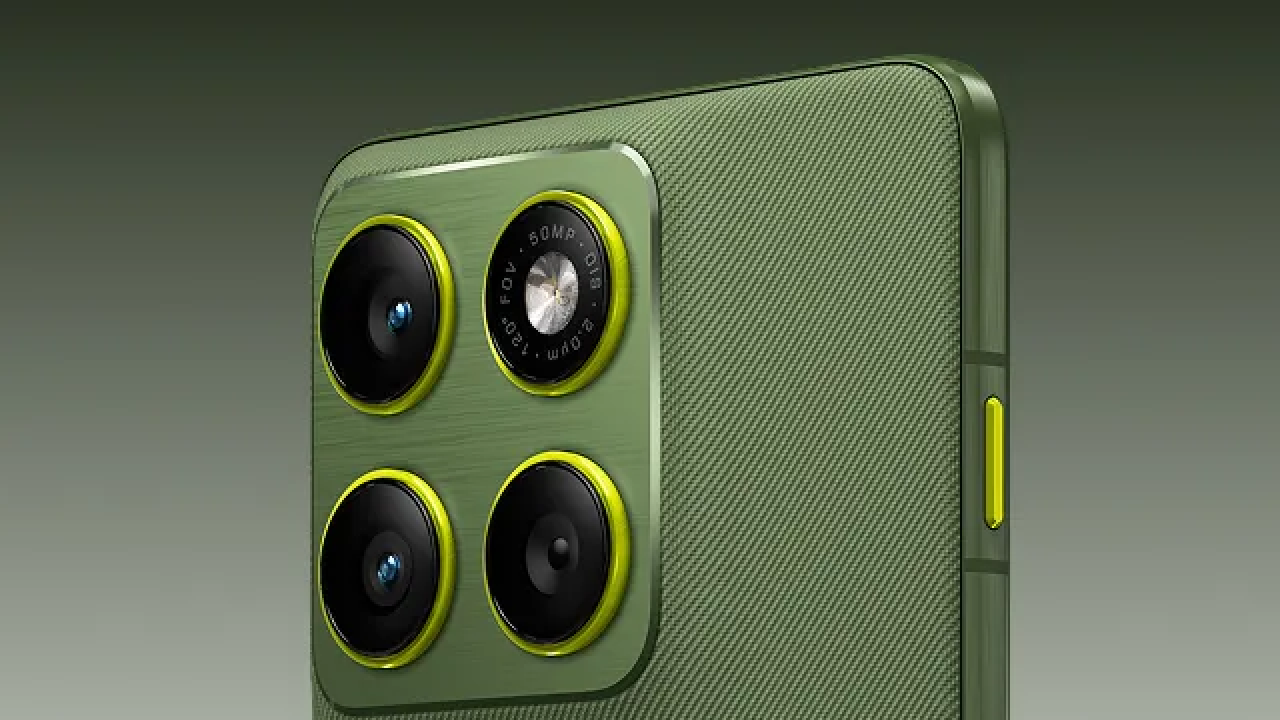
The upcoming Motorola Edge 70 Pro and Razr 70 Ultra have surfaced in fresh leaks, offering a detailed look at design choices, features, and Motorola’s broader product strategy. The leaks suggest the company is preparing a significant expansion of its Edge 70 lineup while refining its premium foldable series moves that could reshape its position in the competitive smartphone market.
Motorola appears to be leaning heavily into design differentiation and AI-driven features, even as questions emerge about whether its rapidly growing portfolio risks confusing consumers.
Design-Focused Approach: Materials and Pantone Collaboration
Motorola continues to emphasize distinctive aesthetics through its ongoing collaboration with Pantone. The Razr 70 Ultra is expected to launch in Pantone Orient Blue and Pantone Cocoa, both featuring unconventional finishes. The blue variant is said to include a faux leather back with a diamond-stitched pattern, while the cocoa option may showcase a wood-inspired texture with visible grain.
The Edge 70 Pro, meanwhile, reportedly takes a more experimental direction. Leaks point to finishes such as Pantone Titan (a blue shade with a nylon-like texture) and Pantone Zinfandel (a maroon tone with a brushed matte feel), alongside a third wood-textured version yet to be officially named.
This design-first strategy highlights Motorola’s attempt to stand out in a crowded Android market where hardware differentiation is increasingly subtle.
Hardware Upgrades and AI Integration
The Motorola Edge 70 Pro is tipped to feature a 6,500mAh battery with 90W fast charging, marking an incremental improvement over its predecessor. It is also expected to retain a quad-curved display and introduce enhanced “Super Zoom” capabilities, likely powered by upgraded telephoto hardware or AI-assisted processing.
A notable addition across upcoming models is a dedicated AI key, reflecting a wider industry trend toward integrating artificial intelligence into everyday smartphone functions. This could allow users to quickly access AI tools for photography, productivity, or voice assistance.
On the foldable side, the Razr 70 Ultra is expected to maintain a 7-inch internal display and a 4-inch cover screen, similar to its predecessor. Slightly increased thickness hints at potential internal upgrades, such as improved hinge durability or a larger battery. The device is also expected to retain a dual-camera setup while focusing on refinement rather than radical redesign.
Expanding Edge 70 Family Raises Questions
Beyond individual devices, leaks indicate Motorola is preparing a significant expansion of the Edge 70 series. Reports suggest at least three additional models Edge 70 Pro, Edge 70 Pro+, and Edge 70 Pro Lite are in development, potentially bringing the total number of Edge 70-branded devices to as many as seven.
These new devices would join existing models such as the Edge 70, Edge 70 Fusion, and Edge 70 Fusion+, which have already launched in various markets. Internal codenames like “Terrain,” “Terrain+,” and “Terrain Lite” further hint at a structured but crowded product roadmap.
While this approach mirrors strategies used by competitors offering multiple tiers within a single lineup, it also raises concerns about brand clarity and consumer confusion.
Why This Matters
Motorola’s aggressive expansion reflects a broader push to regain relevance in the premium and upper mid-range smartphone segments. By offering multiple variants across price points, the company is attempting to compete more directly with brands like Samsung and Google.
However, the strategy carries risks. A crowded lineup can dilute brand identity and make it harder for consumers to distinguish between models especially when differences are incremental. This challenge is amplified in retail environments, where too many similarly named devices can complicate purchasing decisions.
At the same time, Motorola’s emphasis on design innovation and tactile finishes could resonate with users looking for something visually and physically distinct from standard glass-backed smartphones.
Industry and Market Impact
If the leaks prove accurate, Motorola’s 2026 lineup could signal a shift toward portfolio saturation as a competitive tactic. This mirrors approaches seen in other industries, where companies flood segments with variations to capture niche audiences.
In the smartphone market, this strategy can increase visibility and shelf presence but may also fragment demand. Competitors like Samsung have refined their tiered offerings over years, while Motorola is attempting to scale quickly within a single generation.
The inclusion of AI-focused features, such as the dedicated AI key, also underscores how rapidly artificial intelligence is becoming a baseline expectation in modern smartphones. Motorola’s implementation will likely be judged against similar features in flagship Android devices.
What Happens Next
Motorola has not officially confirmed launch dates for the Edge 70 Pro or Razr 70 Ultra, but the frequency and detail of leaks suggest announcements could be imminent.
For consumers, the decision to upgrade may depend on current device age and priorities. Those using older smartphones may find the Edge 70 Pro a compelling mid-range upgrade, particularly with its battery and charging improvements. Foldable enthusiasts, meanwhile, may be drawn to the Razr 70 Ultra if Motorola delivers meaningful refinements in durability and usability.
Ultimately, the success of these devices will depend not only on hardware improvements but also on how clearly Motorola can communicate differences across its expanding lineup.