
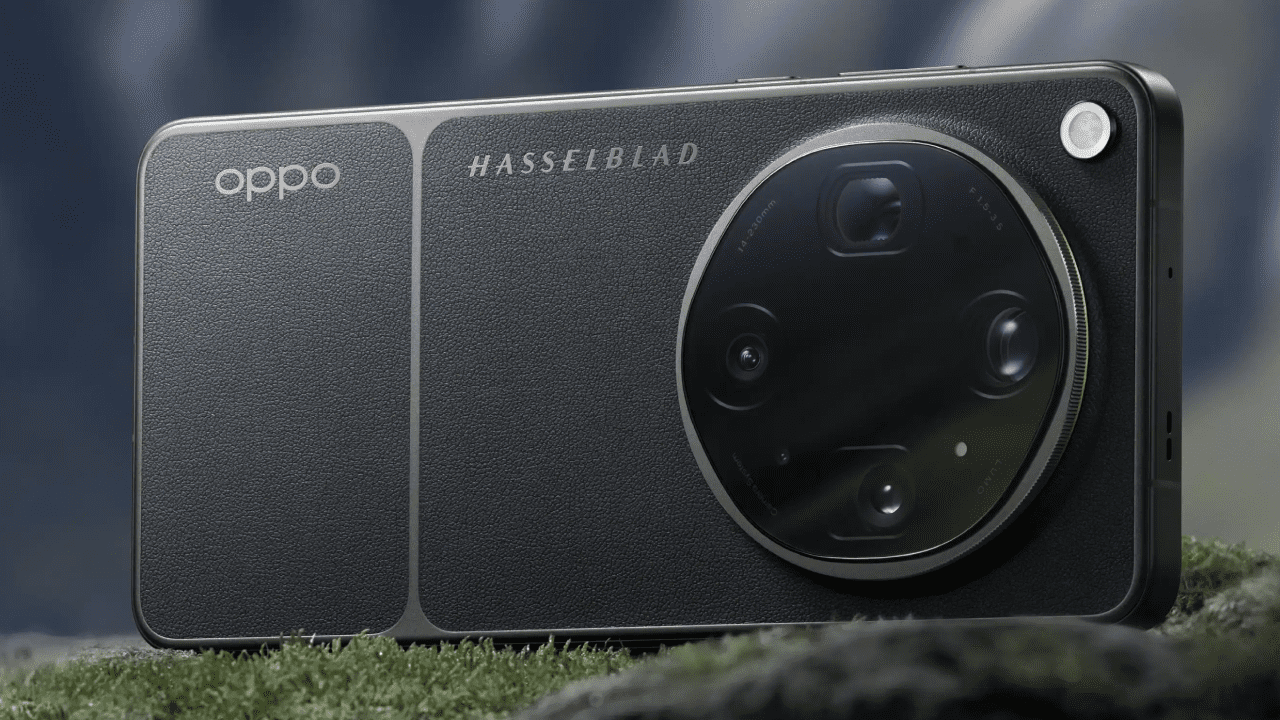
Chinese smartphone maker Oppo is preparing to unveil its most ambitious camera-centric smartphones yet, with the Find X9 Ultra and Find X9s Pro launching on April 21. The upcoming devices, headlined by the Oppo Find X9 Ultra, signal a renewed push toward high-end mobile photography, combining dual 200-megapixel sensors, premium materials, and a design language heavily inspired by professional cameras.
The announcement is significant not just for hardware enthusiasts but for the broader smartphone market, as Oppo confirms both models will see a global rollout, expanding availability beyond China. With rivals like Vivo and Samsung also advancing camera technology rapidly, Oppo’s latest flagship strategy underscores an intensifying race to dominate mobile imaging.
A Design That Blurs the Line Between Phone and Camera
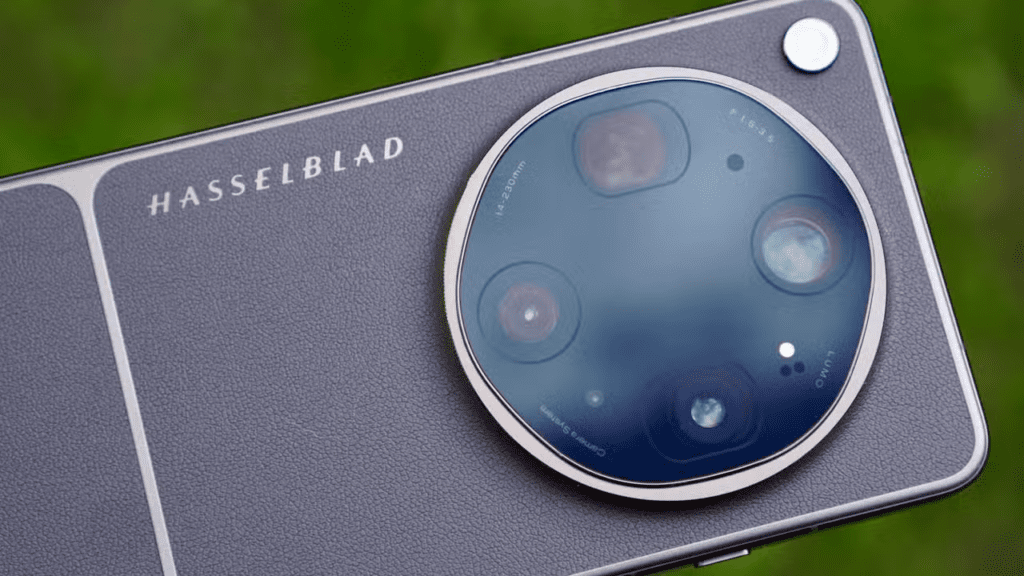
The Find X9 Ultra stands out immediately for its design, which leans heavily into its identity as a photography-first device. Drawing visual cues from Hasselblad’s professional cameras, the phone features a two-tone vegan leather back paired with a metallic frame in a gunmetal finish.
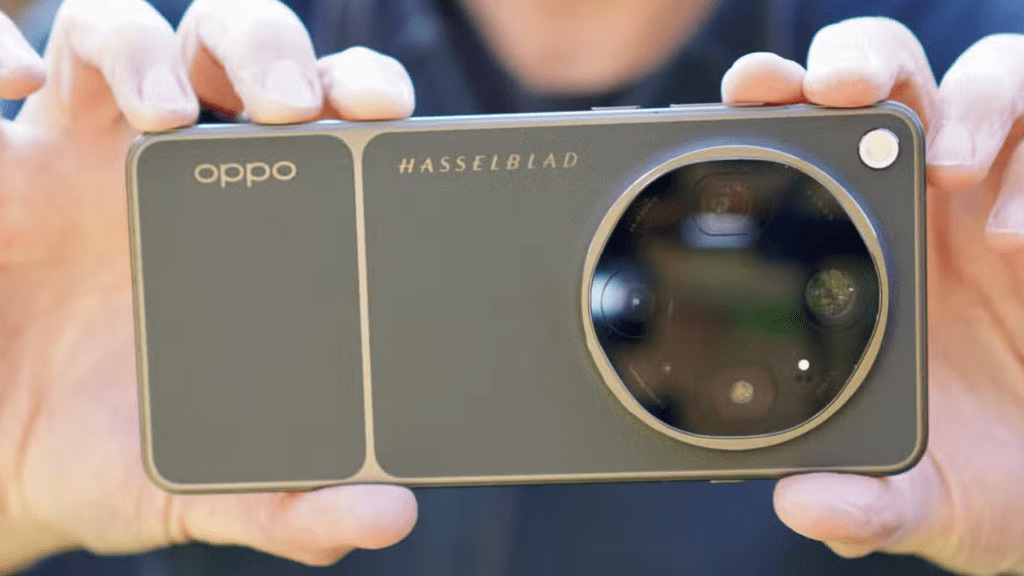
The layout is intentionally reminiscent of a dedicated camera body. Branding elements are positioned for landscape use, while signature orange accents associated with Hasselblad highlight the shutter button and camera module. The rear module itself is large and circular, housing multiple sensors, with subtle geometric detailing that adds visual depth.

Color options such as “Tundra Umber” and “Canyon Orange” reinforce the premium aesthetic, while additional finishes like “Polar Glacier” and “Sand Canyon” are expected in select markets. The overall build is noticeably thick and weighty, largely due to the oversized camera hardware, though reports suggest the device remains well-balanced in hand.

Dual 200MP Cameras Take Center Stage
At the heart of the Find X9 Ultra is an advanced multi-camera system designed to push the limits of smartphone photography. The device is confirmed to include:
- A 200MP primary sensor with nearly 1-inch size
- A 200MP periscope telephoto lens with 3x optical zoom
- A 50MP telephoto lens offering 10x optical zoom
- A 50MP ultra-wide camera
- A 50MP front-facing camera
- A dedicated true colour sensor for improved color accuracy
Oppo claims notable improvements in light capture, including a 10% increase on the main sensor and a 36% boost for the 3x telephoto compared to its predecessor.
Meanwhile, the Find X9s Pro brings similar innovation to a more compact form factor. It also features a dual 200MP camera setup, marking a departure from the 50MP standard still common in flagship devices. This positions it as a rare entrant in the compact flagship category with ultra-high-resolution imaging.
Compact Flagship Meets High-End Imaging
While the Ultra model targets photography enthusiasts, the Find X9s Pro focuses on balancing performance and portability. With a 6.3-inch display and slim bezels, it enters a competitive segment alongside devices like the iPhone 17 and Samsung Galaxy S26.
Despite its smaller size, Oppo is not compromising on hardware. The device will be offered in multiple configurations, scaling up to 16GB of RAM and 1TB of storage, indicating its positioning as a premium flagship rather than a mid-tier alternative.
Industry / Market Impact
Oppo’s dual 200MP strategy places it in direct competition with devices like the Vivo X300 Ultra, currently one of the only smartphones to feature a similar high-resolution dual-camera system.
The move reflects a broader shift in the smartphone industry, where manufacturers are increasingly prioritizing camera innovation as a primary differentiator. While megapixel count alone does not determine image quality, pairing large sensors with improved optics and computational photography can significantly enhance results.
Competitors are taking varied approaches. Samsung continues to refine its balance between hardware and software optimization, while brands like Xiaomi emphasize larger sensors and aggressive zoom capabilities. Oppo’s partnership with Hasselblad suggests a focus on color science and image tuning as a competitive edge.
Why This Matters
The Find X9 Ultra represents more than just another flagship release it signals a return to bold, camera-first design in an era where many smartphones have become visually uniform.
By integrating professional camera aesthetics with cutting-edge hardware, Oppo is targeting a niche but growing audience of photography enthusiasts who want DSLR-like capability in a mobile device. The inclusion of accessory support, such as attachable lenses, further reinforces this direction.
Equally important is the global launch strategy. While Oppo has previously limited availability of certain flagship models, expanding access particularly in Europe could significantly increase its influence in premium markets. However, availability in regions like the United States remains unlikely.
What Happens Next
All eyes are now on the official launch event scheduled for April 21, where Oppo is expected to reveal full specifications, pricing, and availability details for both devices.
Key questions remain around real-world camera performance, software processing capabilities, and how effectively Oppo can differentiate itself from rivals beyond raw hardware. Early impressions suggest strong potential, but final judgment will depend on comprehensive reviews following the launch.
If Oppo delivers on its promises, the Find X9 Ultra could redefine expectations for smartphone photography and intensify competition in the flagship segment through 2026.