
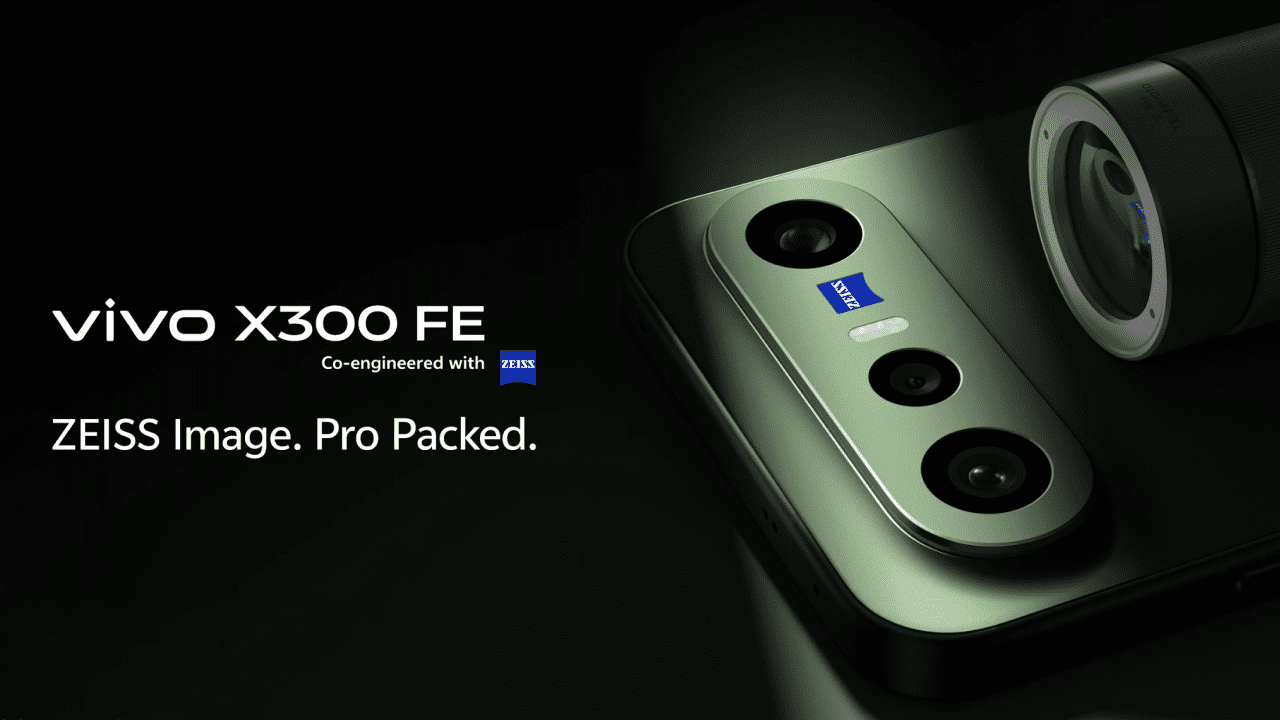
The Vivo X300 FE is making its global debut as a compact flagship contender, combining high-end performance, a large battery, and a refreshed design language ahead of its anticipated India launch in early May. Positioned between the standard X300 and the premium X300 Ultra, the device reflects Vivo’s push to offer powerful hardware in a smaller form factor while experimenting with modular camera capabilities.
Unveiled alongside the X300 Ultra and recently showcased in official teasers, the X300 FE brings together flagship-grade internals including the Snapdragon 8 Gen 5 chipset and a distinctive horizontal camera design. With a confirmed India launch timeline and growing emphasis on camera accessories, the device signals Vivo’s evolving strategy in the competitive premium smartphone segment.
Also read: Vivo X300 Ultra India Launch Confirmed as Premium Camera Flagship Push Intensifies
A compact flagship with surprising power
At the core of the Vivo X300 FE is its 6.31-inch 1.5K LTPO AMOLED display, offering a 120Hz refresh rate while maintaining a relatively compact footprint compared to larger flagship devices. Despite its smaller size, the phone houses a substantial 6,500mAh battery an unusually high capacity for this category paired with 90W wired and 40W wireless charging support.
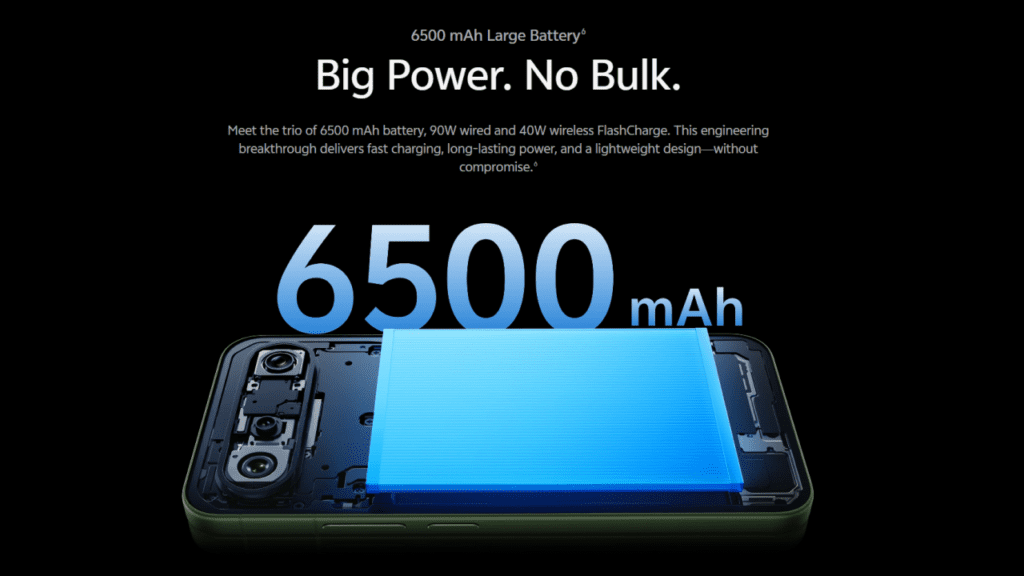
The device is powered by Qualcomm’s Snapdragon 8 Gen 5 processor, aligning it with other recent performance-focused smartphones in its class. This ensures that the X300 FE is not merely a “lite” version but a capable flagship alternative designed for users who prefer manageable dimensions without compromising speed or efficiency.

Physically, the phone strikes a balance between compactness and durability. Measuring just over 8mm thick and weighing around 190 grams, it feels substantial in hand, aided by flat edges and a boxy frame that gives it a more robust presence than its size suggests.

Redesigned camera system and modular photography
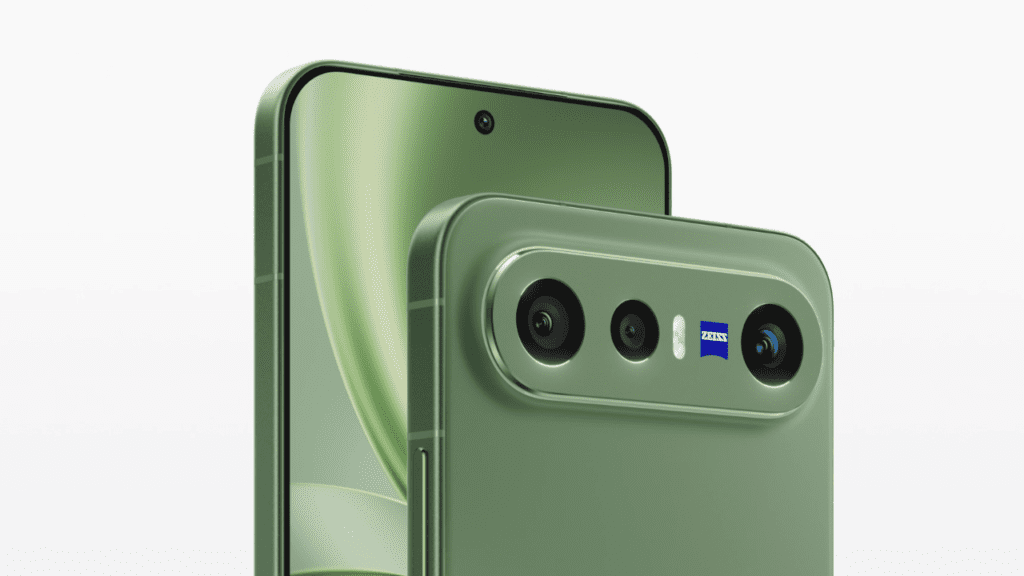
One of the most noticeable changes in the X300 FE is its redesigned rear camera layout. Moving away from the vertical camera island seen in its predecessor, the device adopts a horizontal camera bar that stretches across the top of the back panel. This layout houses a triple-camera system consisting of a 50MP primary sensor, a 50MP telephoto lens, and an 8MP ultrawide camera, all enhanced with ZEISS optics.
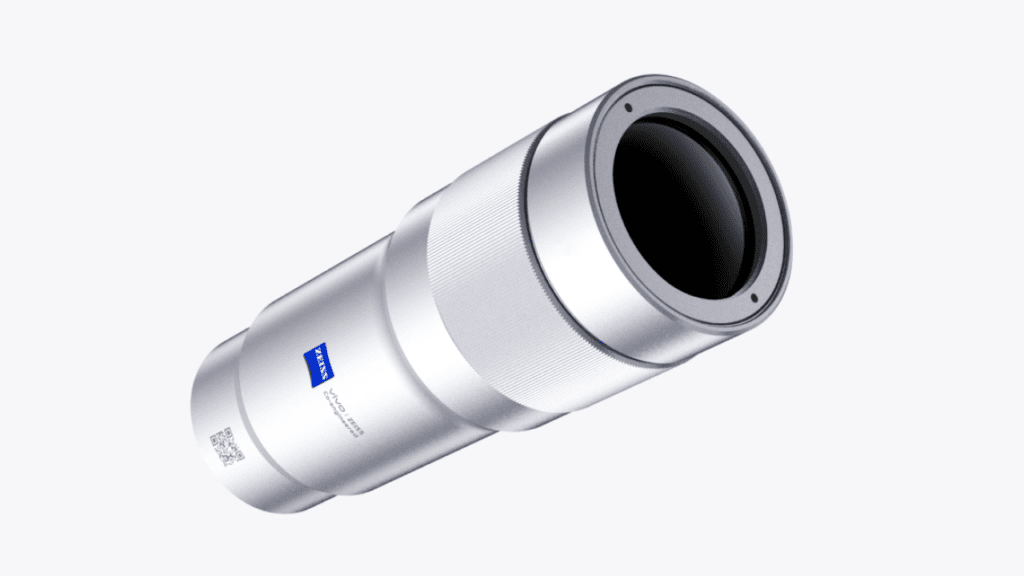
Beyond the built-in hardware, Vivo is introducing a modular photography approach. The X300 FE will support a ZEISS telephoto extender accessory that attaches via a compatible case, allowing users to achieve greater zoom capabilities without increasing the phone’s internal hardware bulk. This accessory-driven ecosystem mirrors similar functionality seen in the X300 Ultra and suggests a broader strategy across Vivo’s lineup.
The shift toward a horizontal camera design also distinguishes the FE series from the rest of the X300 family, which largely retains circular camera modules. This differentiation helps the FE line establish its own visual identity rather than mimicking higher-tier models.
Also read: Vivo T5 Pro 5G Launched in India with Massive 9,020mAh Battery, Starting at ₹29,999
Design, variants, and launch details
The Vivo X300 FE will be available in two configurations: 12GB RAM paired with either 256GB or 512GB of storage. Retail packages are expected to include a color-matched protective case, a 90W fast charger, and a USB-A to USB-C cable.
Ahead of its India debut, Vivo has teased a green color variant, which is expected to be exclusive to the Indian market. The device is likely to launch on May 6, with sales potentially beginning around mid-May.
In terms of pricing, the X300 FE is expected to sit between the previous-generation X200 FE and the standard X300. This suggests a price bracket that offers a step up from mid-premium devices while remaining below full flagship territory.
Industry / Market Impact
The Vivo X300 FE enters a growing segment of compact flagship smartphones a category that has seen renewed interest as users seek high performance without oversized designs. By pairing a smaller display with a large battery and top-tier chipset, Vivo is addressing a gap that many competitors have struggled to fill.
The inclusion of modular camera accessories also signals a shift in how smartphone manufacturers approach photography innovation. Rather than relying solely on internal hardware upgrades, Vivo is exploring expandable ecosystems that could extend device capabilities over time. If successful, this approach could influence broader industry trends, especially in premium and enthusiast segments.
Additionally, matching competitors that use the Snapdragon 8 Gen 5 chipset positions the X300 FE directly against performance-driven devices, strengthening Vivo’s competitiveness in key markets like India.
What Happens Next
The immediate focus will be on pricing and real-world performance. While the specifications are promising, the success of the X300 FE will largely depend on how Vivo positions it against rivals in the same price band.
The modular camera system will also be closely watched. If the ZEISS telephoto extender proves practical and widely adopted, it could pave the way for a new category of smartphone accessories that enhance imaging without permanent hardware changes.
As Vivo prepares for the India launch, market reception will determine whether the X300 FE becomes a standout option or simply another incremental upgrade in an already crowded segment.