
Google is rolling out one of the most significant changes to digital payments in years, introducing a new Google Pay verification system that turns Android phones into secure authentication devices for desktop purchases. Announced during Google I/O 2026 alongside a broader Google Wallet redesign, the feature aims to eliminate the frustrating SMS verification codes and redirect-heavy checkout flows that have long slowed online transactions.
The new capability, called Cross-device Payment Verification, allows users shopping on desktop browsers to approve purchases directly from their Android phones using biometrics such as fingerprints, facial recognition, or a device PIN. Instead of waiting for one-time passwords via text message, users will receive a secure push notification or scan a QR code displayed on the desktop screen to confirm payment instantly.
The rollout marks Google’s latest push to transform Wallet from a simple card-storage app into a broader digital identity and commerce platform. It also places the company in direct competition with Apple Pay and Samsung Wallet in the race to streamline online payments while improving security standards.
Google has not confirmed an exact public launch date for desktop users, but the company says the Wallet redesign has now completed its Android rollout.
Google Wallet’s New Design Focuses on Speed and Accessibility
The updated Google Wallet interface introduces a more dynamic homepage designed to prioritize frequently used cards and passes. Time-sensitive items such as boarding passes now appear in larger, full-screen layouts that update in real time with flight or event changes.
A newly added “View More” button acts as a searchable hub for all stored passes, cards, and transaction details. Google says the redesign is intended to reduce clutter while making key information easier to access during travel, shopping, and event check-ins.
The company is also expanding Wallet’s broader ecosystem. New features include digital receipts APIs for merchants, contactless loyalty program enrollment, and expanded digital ID verification support through apps such as Uber and TurboTax.
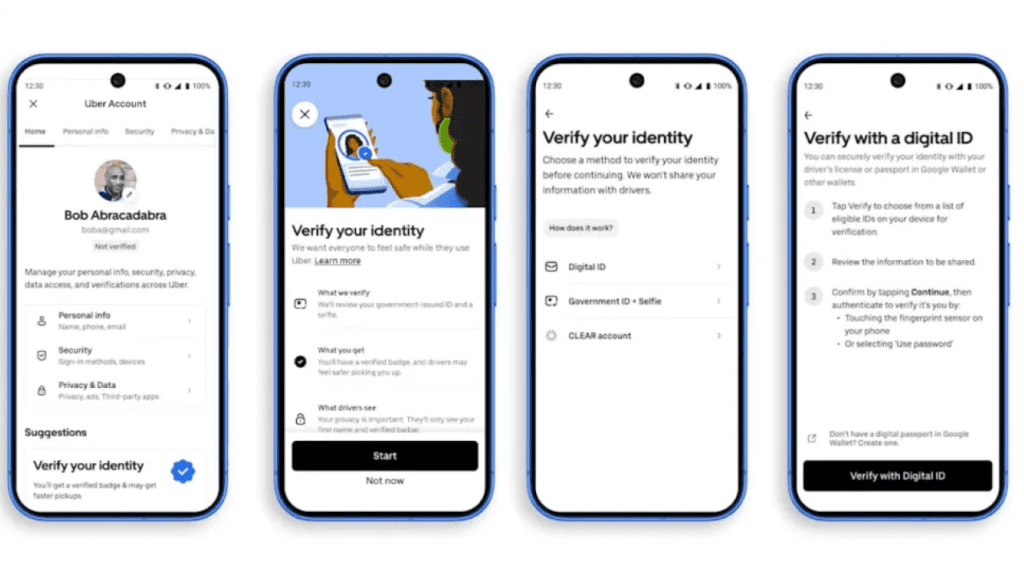
Google says the verification upgrades are particularly important for markets operating under stricter authentication regulations, including Europe and the UK, where Strong Customer Authentication (SCA) rules often require additional purchase verification steps.
Also read: Apple Blocks $2.2 Billion in App Store Fraud as AI-Powered Threats Surge Globally
User Reactions to the Wallet Redesign Are Mixed
Despite Google positioning the redesign as a usability upgrade, early user feedback has been sharply divided.
Some Android users have praised the cleaner layout and searchable pass management system, arguing that starring favorite passes makes navigation simpler. Others, however, say the redesign adds unnecessary friction by hiding loyalty cards behind multiple taps and reducing the visibility of pass logos.
Critics on Reddit and Android forums have also complained that frequently used cards are no longer appearing in predictable order, making the app feel less intuitive than previous versions. The redesign replaces the older full-width pass layout with a two-column structure, a change that some users argue sacrifices readability for visual minimalism.
The staggered rollout has created additional confusion, with many users reporting they still have not received the updated interface weeks after the redesign began appearing on devices.
Also read: Google Unveils Gemini Intelligence Strategy to Transform Android Into an AI-First Ecosystem
Expert Analysis / What This Means
Google’s Cross-device Payment Verification could become one of the most meaningful upgrades to online checkout systems since biometric authentication first entered smartphones. SMS-based verification has long been criticized for slowing purchases and exposing users to security vulnerabilities such as SIM-swapping attacks, where fraudsters hijack phone numbers to intercept authentication codes.
By shifting verification directly to trusted Android devices, Google is aligning payments with broader industry moves toward passwordless security and device-based authentication. This approach not only reduces checkout friction but also improves protection against phishing and interception attacks.
The feature may also reshape expectations for digital wallets across the industry. Apple Pay and Samsung Wallet currently rely heavily on traditional banking authentication systems during many online transactions, especially when regulatory compliance requires extra verification. Google’s system introduces a more integrated workflow that could pressure competitors to adopt similar device-token authentication methods.
For consumers, the biggest impact will likely be convenience. Failed SMS deliveries, expired passcodes, and redirected banking pages are among the most common frustrations during online purchases. Removing those barriers could reduce cart abandonment rates for retailers and improve conversion performance during desktop shopping.
The long-term implication is broader than payments alone. Google appears to be positioning Android devices as universal digital identity tools capable of handling payments, IDs, tickets, loyalty systems, and secure authentication from a single ecosystem.
Industry / Market Impact
The digital wallet market has become increasingly competitive as major tech companies expand beyond payments into identity verification and commerce infrastructure.
Google’s latest move strengthens Android’s integration advantage by using the smartphone as a native security device across platforms. Analysts have long argued that reducing friction during checkout directly impacts e-commerce revenue, particularly on desktop where users are more likely to abandon purchases if authentication steps become too cumbersome.
Retailers may also benefit from the reduced dependency on SMS-based verification systems, which often involve additional infrastructure costs and customer support issues tied to delayed or failed authentication messages.
Meanwhile, financial institutions and payment providers may face pressure to modernize authentication systems faster as consumers become accustomed to biometric-first verification flows.
Background Context
Google Wallet has evolved rapidly over the past few years from a basic payment app into a multi-purpose digital storage platform. The company has steadily introduced support for transit passes, hotel keys, event tickets, vaccination cards, and digital IDs.
The 2026 redesign reflects Google’s broader strategy of integrating Wallet more deeply into Android’s ecosystem while competing more aggressively against Apple’s tightly connected payment and identity services.
The focus on biometric verification also follows years of cybersecurity recommendations from organizations such as the US National Institute of Standards and Technology (NIST), which has repeatedly warned against relying solely on SMS-based authentication because of its vulnerability to interception and account takeover attacks.
What Happens Next
Google has yet to announce a precise launch timeline for Cross-device Payment Verification on consumer desktops, suggesting broader availability may roll out gradually over the coming months.
The next major challenge for Google will likely involve adoption among retailers, payment processors, and banking partners. Wider compatibility across e-commerce platforms will determine whether the feature becomes a mainstream checkout standard or remains limited to select merchants.
User response to the Wallet redesign may also influence future interface updates. If criticism around hidden passes and extra navigation steps continues, Google could refine the design further before the experience stabilizes across Android devices.
For now, the company appears committed to a future where smartphones become the primary authentication layer for both payments and digital identity management.